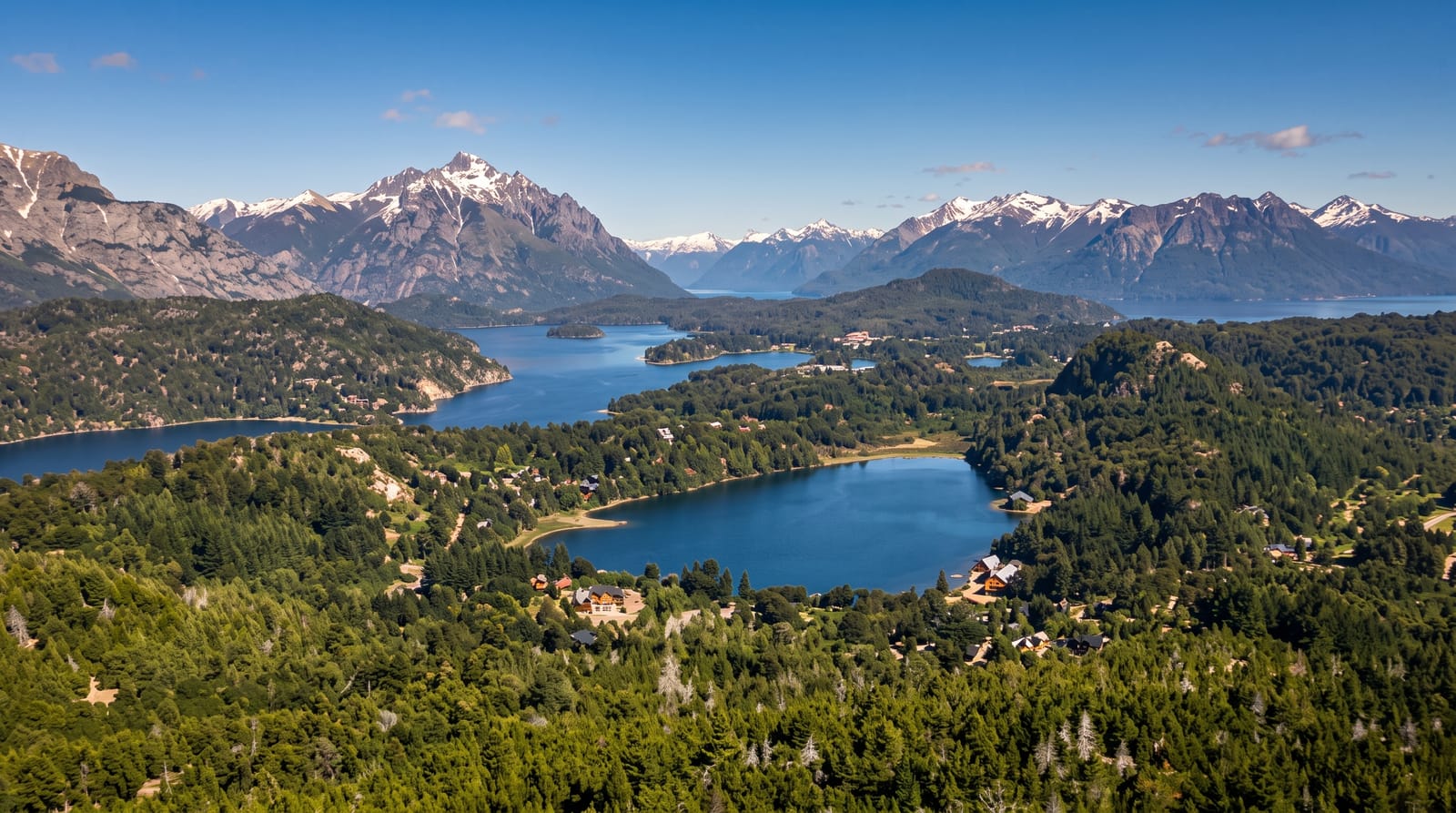
Lake Peipus
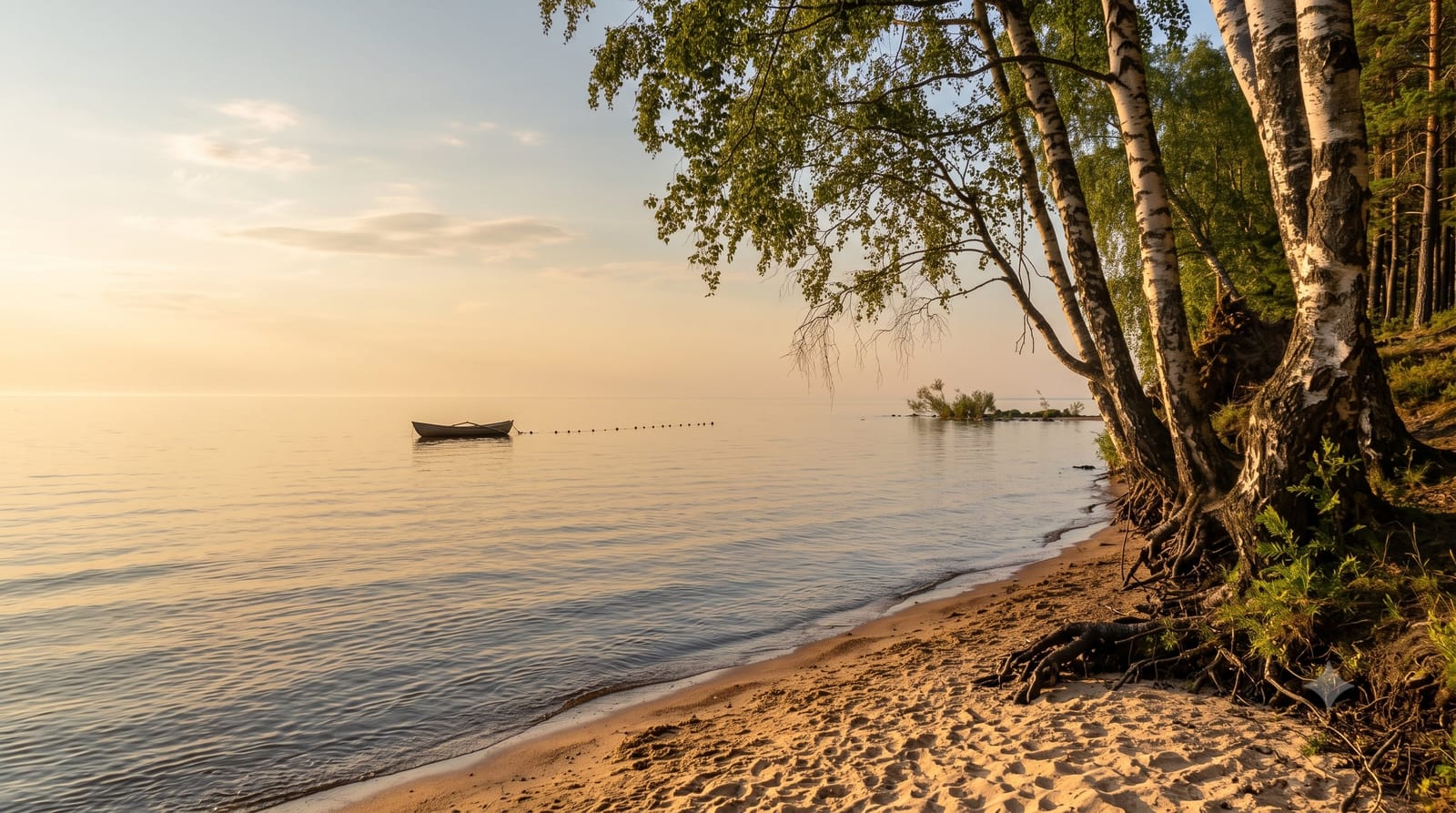
The fifth largest lake in Europe and the country's eastern border - sand beaches and dune pine on the Estonian shore, with the far side out of sight.
Updated 1 September 2026
Illustration
Peipsi is big enough to behave like a sea. It covers around 3,500 square kilometres, marks the border with Russia down its middle, and from most points on the Estonian shore you cannot see the other side - just water meeting sky, with the horizon slightly curved on a clear day.
What you actually see
- The northern beaches - pale sand, shallow warm water and a strip of pine dune behind it, around Kauksi and Alajõe.
- The southern shore - reed and low bank, with the Old Believer villages running in a nearly continuous line along the road.
- The scale - a lake shallow for its size, warming fast in summer and kicking up short steep waves in wind.
- The winter surface - solid enough in a normal winter for ice roads and ice fishing.
When to go
July and August are when the water is genuinely swimmable, which is rare this far north. May and September give empty beaches and the best light on the water. February is ice fishing season, with huts and drilled holes out on the surface. Windy days are the ones to avoid if you came to swim, because the shallow water goes brown and choppy fast.
Honest expectations
There are no cliffs, no islands worth the trip, and no viewpoint that gives you the whole thing - the interest is in the scale and the shore culture, not in a single view. Facilities on the beaches are basic and seasonal.
The border runs through the lake. Boating east of the line is not a casual matter, and the rules are worth reading before you put anything in the water.
Nearby
The Onion Road villages of Kolkja, Varnja and Kasepää sit directly on the western shore. Tartu is about an hour inland, and the Alutaguse forests run north towards the coast.
What to pack for Lake Peipus
Chosen from what this place is for. Tap a kit for the full checklist.
Plan your trip
Where to start if Lake Peipus is going on the list.
Booking links on this page are affiliate links - if you book through them we may earn a small commission at no extra cost to you. It never changes what we write about a place.
Opening times, ticket prices and seasonal closures change - check the official source before you go: official site.