Adulis
The Red Sea's ancient gateway - the buried port of the Aksumite world, where excavations keep raising temples and trade goods from the coastal plain.
Updated 19 October 2026

AI illustration
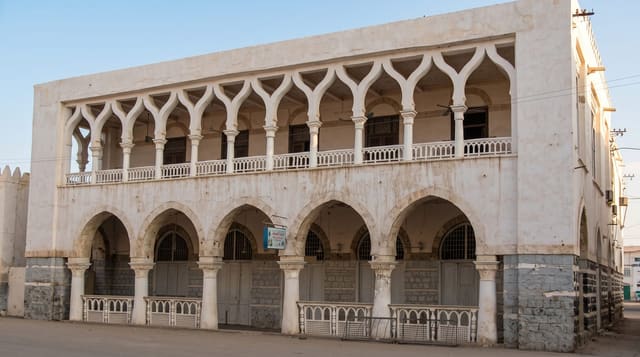
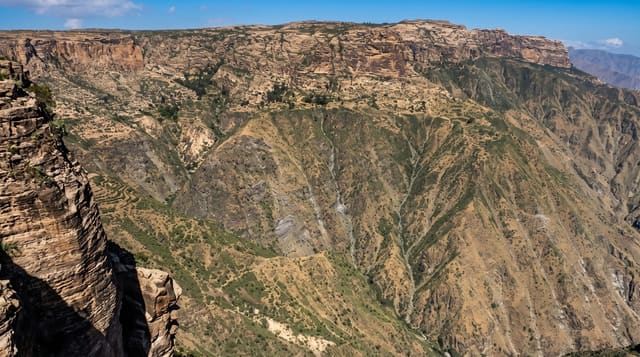
For the classical world, the Horn of Africa began at Adulis: the great port of the Aksumite empire, where ivory, incense and tortoiseshell met Mediterranean glass and cloth, name-checked by Greek geographers and busy for centuries before decline buried its stones under the coastal plain near Zula. Excavations - renewed in recent decades by Eritrean and international teams - have raised basilicas, temple platforms and streets from the silt, and the visit today walks trenches and column stumps where one of Africa's most storied harbours traded. The Gulf of Zula's flamingo shallows and the drive from Massawa frame the history in heat-hazed Red Sea light.
History
Excavations have found a late prehistoric settlement beneath Adulis, dating from the mid-2nd to the early 1st millennium BC, and the place may be the Wddt named among the lands of Punt in Egyptian lists of the 18th Dynasty. Pliny the Elder, the first European writer to mention it, called it the chief market of the Troglodytae and the people of Aethiopia, and the Periplus of the Erythraean Sea describes it as the outlet for the ivory, hides and other exports of the interior; Roman merchants used the port in the second and third centuries AD, and the Chinese envoy Gan Ying is thought to have visited it in 97 AD. Cosmas Indicopleustes came here in 520 AD, in the reign of King Kaleb of Axum, and copied two inscriptions, among them the Monumentum Adulitanum, in which an Aksumite king recorded his campaigns. Adulis also had a bishop by the 4th century, and its ships probably moored at a separate harbour called Gabaza, perhaps in the Galala Hills to the south, where the remains of two ancient round watchtowers have been found (Wikipedia, Adulis).
The main sights
- The excavated basilicas - Aksumite-era churches out of the silt.
- The temple platforms - the port's older sacred layers.
- The trade story - Rome to Aksum, told in the trenches.
- The Gulf of Zula - flamingo shallows beside the ruins.
When to go
October to March only in comfort terms - the coastal plain is furnace-grade otherwise; mornings before the haze suit both photographs and archaeology. Arrange guides and current permissions via Massawa or Asmara.
Practical notes
Adulis asks historical imagination: what stands is trench-level - columns, walls, potsherds - with interpretation depending on your guide; the site's significance towers over its visible remains. Access rules and dig-season closures vary - confirm before the drive. Water, hats and early starts are the survival kit.
Nearby
Massawa's coral-stone old town, the Gulf of Zula and the Dahlak crossings.
Key facts
Source: Wikidata, item Q378940, read on 18 October 2026.
What to pack for Adulis
Chosen from what this place is for. Tap a kit for the full checklist.
- Comfortable walking shoes - Sightseeing means kilometres of pavement and cobbles daily. Find on Amazon
- Modest clothing - Shoulders and knees covered - the single most common requirement. Find on Amazon
- A slim anti-theft daypack - Zips that close properly; keep it in front in crowds and on transit. Find on Amazon
- A scarf or shawl - To cover the head or shoulders on entry; women especially at mosques. Find on Amazon
Some links on this page are Amazon affiliate links - if you buy through them we may earn a small commission at no extra cost to you.
All packing kitsPlan your trip
Where to start if Adulis is going on the list.
Booking links on this page are affiliate links - if you book through them we may earn a small commission at no extra cost to you. It never changes what we write about a place.
Opening times, ticket prices and seasonal closures change - check the official source before you go: official site.