Deir el-Medina
The village of the workmen who cut the royal tombs, with their own small painted tombs above it.
Updated 31 August 2026
UNESCO World Heritage
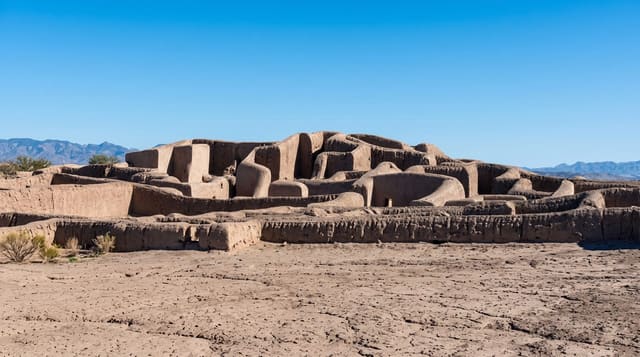
Deir el-Medina was the settlement of the craftsmen who cut and decorated the royal tombs, occupied for around four hundred years and then abandoned, and it is one of the most informative sites in Egypt because those craftsmen were literate. Tens of thousands of ostraca from the village record work rosters, wages in grain, complaints, legal disputes, love poems, laundry lists and what is generally reckoned the earliest recorded labour strike, when deliveries failed under Ramesses III. The village plan survives as low walls along a single street. Above it are the workmen's own tombs, small chambers with vaulted painted ceilings that they decorated for themselves, of which those of Sennedjem and Inherkhau are the finest and among the most vividly coloured on the west bank.
What's there
- The village street plan - houses of the tomb workers in low walls.
- Sennedjem's tomb - a small vaulted chamber painted in intense colour.
- Inherkhau's tomb - another painted workman's burial above the village.
- A Ptolemaic temple - the later shrine that gave the site its Arabic name.
When to go
October to April. Two hours. Mornings are cooler for the climb to the tombs. The site is quieter than the main temples but the small tombs fill quickly when a group arrives.
Things to know
The decorated tombs are tiny and take only a few people at a time, so waits happen. Some require separate tickets. The village itself is low walls and needs interpretation to mean much. The climb up to the tombs is steep in full sun.
Nearby
The Valley of the Queens is south; the Ramesseum and Medinet Habu are close.
Key facts
Source: Wikidata, item Q750212, read on 18 October 2026.
What to pack for Deir el-Medina
Chosen from what this place is for. Tap a kit for the full checklist.
- Comfortable walking shoes - Sightseeing means kilometres of pavement and cobbles daily. Find on Amazon
- Modest clothing - Shoulders and knees covered - the single most common requirement. Find on Amazon
- A slim anti-theft daypack - Zips that close properly; keep it in front in crowds and on transit. Find on Amazon
- A scarf or shawl - To cover the head or shoulders on entry; women especially at mosques. Find on Amazon
Some links on this page are Amazon affiliate links - if you buy through them we may earn a small commission at no extra cost to you.
All packing kitsPlan your trip
Where to start if Deir el-Medina is going on the list.
Booking links on this page are affiliate links - if you book through them we may earn a small commission at no extra cost to you. It never changes what we write about a place.
Opening times, ticket prices and seasonal closures change - check the official source before you go: official site.