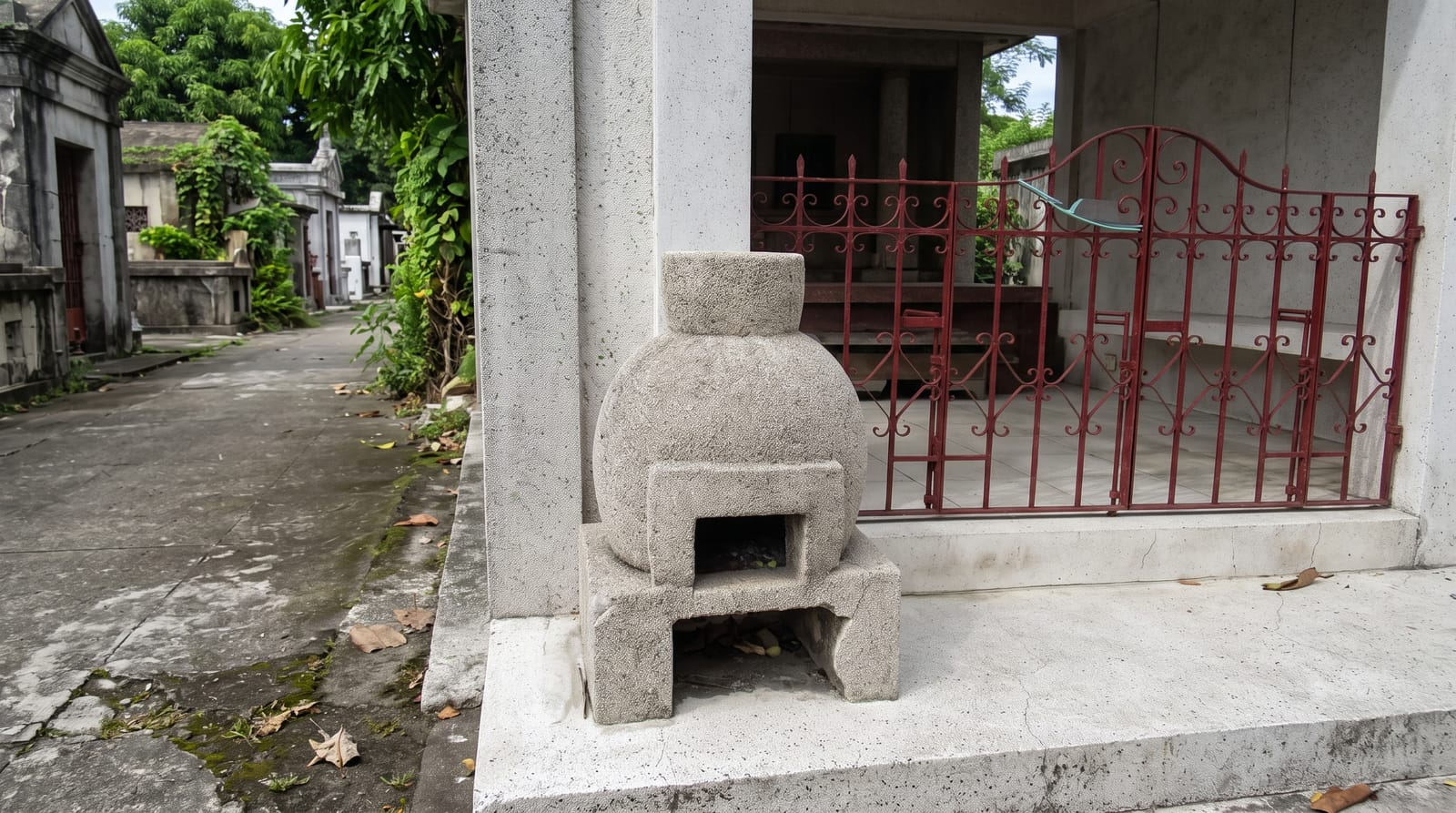
Tulcan Topiary Cemetery
A border-town cemetery whose cypress hedges are clipped into pre-Columbian figures, arches and animals.
Updated 31 August 2026
In 1936 a Tulcan gardener, Jose Franco, began clipping the cypress hedges of the municipal cemetery into shapes, and his family carried the work on for generations, turning the grounds into what is generally described as the finest topiary cemetery anywhere: long corridors of green arches, walls of clipped niches, and figures drawn from pre-Columbian iconography, Inca and Aztec faces, animals, geometric masks and columns, cut into dense living cypress and maintained continuously since. Franco is buried in his own creation under the epitaph that the cemetery is so beautiful it invites one to die. It is a working cemetery at 2,950 metres in a cold border town, and the topiary is free to walk.
The main sights
- Pre-Columbian faces in cypress - Inca and Aztec forms cut into hedge.
- Green arch corridors - the clipped avenues through the grounds.
- Franco's own grave - the gardener buried in his work.
- Ninety years of continuous clipping - the family trade since 1936.
When to go
Year round; Tulcan is cold and often grey at any season. One to two hours. Mornings are quieter. It is a working cemetery, so funerals take precedence.
Good to know
Tulcan is a functional border town with little else and a reputation for being cold and dull. It is an active cemetery; mourners deserve space. Overcast light flattens the topiary in photographs.
Nearby
The Colombian border crossing is north; El Angel lies south.
What to pack for Tulcan Topiary Cemetery
Chosen from what this place is for. Tap a kit for the full checklist.
- Comfortable walking shoes - Sightseeing means kilometres of pavement and cobbles daily. Find on Amazon
- A slim anti-theft daypack - Zips that close properly; keep it in front in crowds and on transit. Find on Amazon
- A refillable water bottle - Many cities have public fountains; save money and plastic. Find on Amazon
- A light layer + compact umbrella - For museum air-con and a sudden shower. Find on Amazon
Some links on this page are Amazon affiliate links - if you buy through them we may earn a small commission at no extra cost to you.
All packing kitsPlan your trip
Where to start if Tulcan Topiary Cemetery is going on the list.
Booking links on this page are affiliate links - if you book through them we may earn a small commission at no extra cost to you. It never changes what we write about a place.
Opening times, ticket prices and seasonal closures change - check the official source before you go: official site.