Espanola Island
The oldest and southernmost island, the only breeding site of the waved albatross.
Updated 31 August 2026
UNESCO World Heritage
Espanola is the oldest of the main Galapagos islands at around four million years, worn flat and low, and its isolation at the southern edge of the archipelago has produced species found nowhere else: the Espanola mockingbird, a distinct marine iguana that turns red and green in the breeding season, and above all the waved albatross, which breeds here and essentially nowhere else on earth, arriving around April and leaving by December. The Punta Suarez trail passes albatross nesting ground, a blowhole that fires spray twenty metres up, and colonies of boobies and gulls. Gardner Bay on the other side is a long white beach with sea lions and good snorkelling.
What's there
- Waved albatross colonies - a bird that breeds on this island and nowhere else.
- Red and green marine iguanas - the distinct Espanola form in breeding colour.
- The Punta Suarez blowhole - spray driven high through the lava.
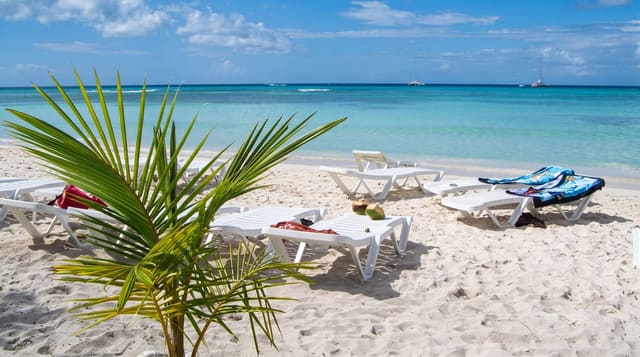
- Gardner Bay beach - white sand, sea lions and snorkelling.
When to go
April to December for albatross, which are absent the rest of the year. A day trip from San Cristobal or a cruise stop. Seas here are among the roughest in the islands.
Practical notes
The crossing is long and rough and day trips are tiring. Albatross are simply not there between roughly January and March. Landings are guided, timed and strictly on-trail. There is no shade on the Punta Suarez walk.
Nearby
San Cristobal is north-east; Floreana lies north-west.
Key facts
Source: Wikidata, item Q1062516, read on 18 October 2026.
What to pack for Espanola Island
Chosen from what this place is for. Tap a kit for the full checklist.
- Broken-in walking shoes or boots - Grip and ankle support matter more than looks; never hike in brand-new boots. Find on Amazon
- Reef-safe sunscreen - High SPF that will not bleach the coral you are swimming over. Find on Amazon
- Your own mask + snorkel - A well-fitting mask is the single biggest comfort upgrade underwater. Find on Amazon
- Layers + a waterproof shell - Mountain weather turns fast; a packable rain jacket saves the day. Find on Amazon
Some links on this page are Amazon affiliate links - if you buy through them we may earn a small commission at no extra cost to you.
All packing kitsPlan your trip
Where to start if Espanola Island is going on the list.
Booking links on this page are affiliate links - if you book through them we may earn a small commission at no extra cost to you. It never changes what we write about a place.
Opening times, ticket prices and seasonal closures change - check the official source before you go: official site.