Santiago de los Caballeros
The country's second city and the heart of the Cibao valley, built on tobacco and rum, with the best cultural centre outside the capital.
Updated 19 October 2026
AI illustration
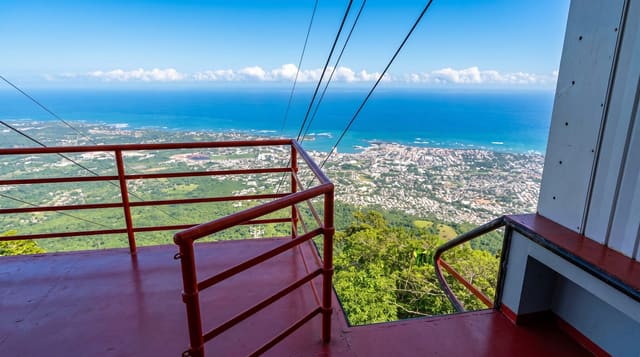
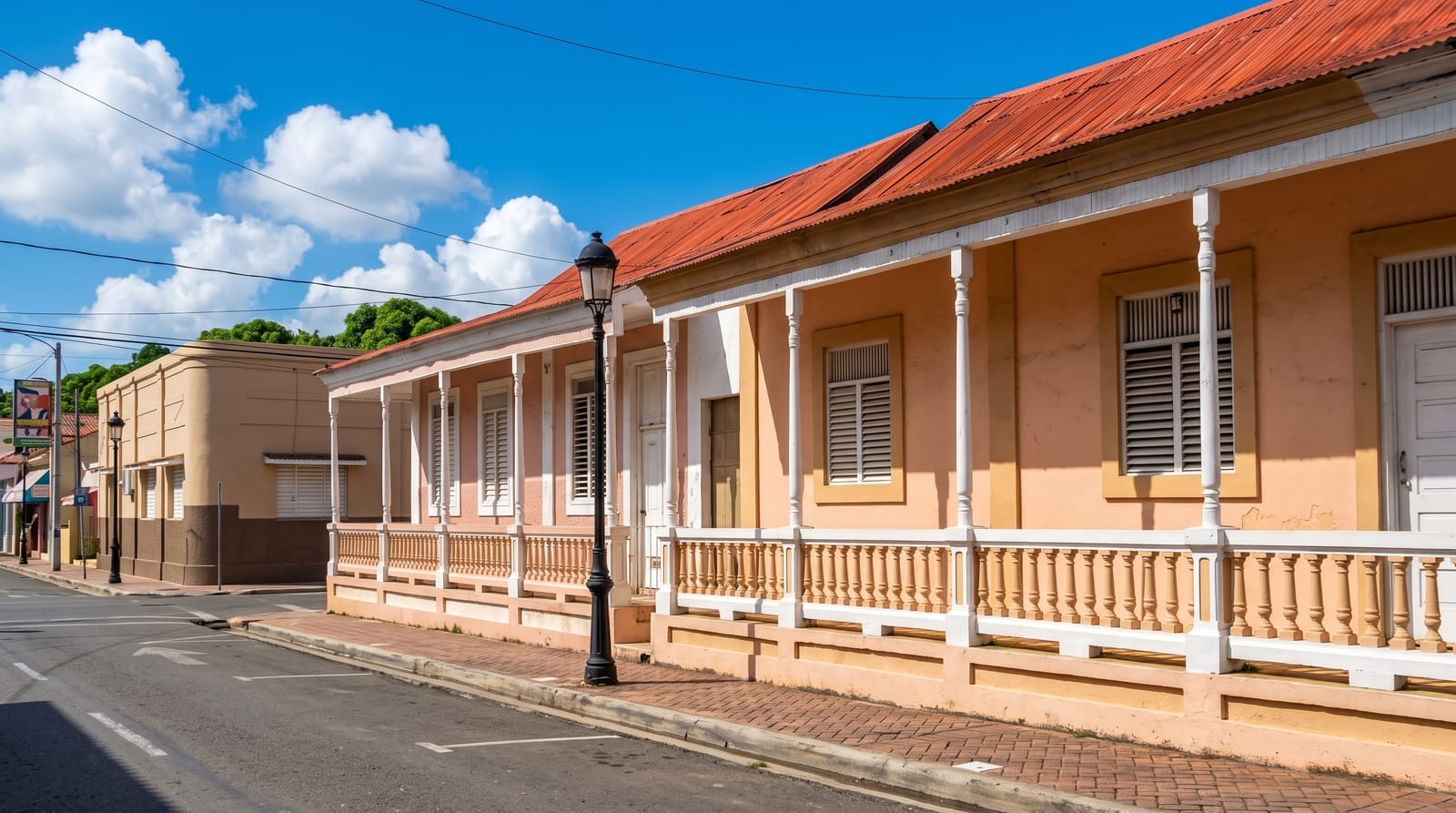
Santiago sits in the middle of the Cibao, the fertile valley that grows the country's tobacco, and it has always been the counterweight to Santo Domingo: a merchant city built on cigars, rum and agriculture, more conservative, and fiercely proud of its own carnival and its own accent. The centre has a shaded parque with Victorian-era buildings around it, a tobacco museum, and the Centro León, a serious cultural foundation funded by a cigar family, with the best collection of Dominican art outside the capital and strong anthropology and photography galleries. Cigar factories in and around the city can be visited, and the February carnival with its lechones masks is second only to La Vega's.
History
The name, Saint James of the Knights, refers to the hidalgos of La Isabela, a group of knights who came from that first settlement. The town was first founded in 1495 at San Francisco de Jacagua, now a suburb, and after an earthquake destroyed it, it moved to its present site in 1506; in 1508 King Ferdinand granted it a coat of arms. Another earthquake devastated it on 2 December 1562, and the survivors resettled beside the Yaque del Norte, where the city stands now. A brief French period after the Peace of Basel, which gave the Spanish part of the island to France in 1795, left its mark before Santiago returned to Spain in 1814. Modern town planning began in the 19th century, the neoclassical Palace Hall was built in 1892-1895 by the Belgian architect Louis Bogaert, and many European-style houses of the late 1800s form the city's central core (Wikipedia, Santiago de los Caballeros).
Highlights
- Centro León - Dominican art, anthropology and photography, exceptionally well done.
- Cigar factories - rolling floors open to visitors in and around the city.
- The Cibao carnival - lechones masks in February, with a distinct local style.
- The tobacco museum - the crop the whole valley runs on.
When to go
November to April is drier. February brings carnival every Sunday, with the Santiago version distinct from La Vega's. Cigar factory visits run on weekdays and generally need arranging in advance. The valley is hot and humid in summer.
Practical notes
Santiago is a working commercial city rather than a picturesque one, and the historic centre is small; visitors expecting a colonial old town like Santo Domingo will be disappointed. Traffic is heavy and parking difficult. Centro León is a taxi ride from the centre. The main monument on the hill commemorates nineteenth-century political events and is skipped here.
Nearby
La Vega is 40 minutes southeast; Jarabacoa is an hour and a half south.
Key facts
Source: Wikidata, item Q42763, read on 18 October 2026.
What to pack for Santiago de los Caballeros
Chosen from what this place is for. Tap a kit for the full checklist.
- Strong insect repellent - DEET or picaridin; the jungle is where bites and disease risk are highest. Find on Amazon
- Comfortable walking shoes - Sightseeing means kilometres of pavement and cobbles daily. Find on Amazon
- Long, light, quick-dry clothing - Covers skin from insects and sun without cooking you in the humidity. Find on Amazon
- A slim anti-theft daypack - Zips that close properly; keep it in front in crowds and on transit. Find on Amazon
Some links on this page are Amazon affiliate links - if you buy through them we may earn a small commission at no extra cost to you.
All packing kitsPlan your trip
Where to start if Santiago de los Caballeros is going on the list.
Booking links on this page are affiliate links - if you book through them we may earn a small commission at no extra cost to you. It never changes what we write about a place.
Opening times, ticket prices and seasonal closures change - check the official source before you go: official site.