Playa Grande and Río San Juan
A long north-coast beach below eroded cliffs, with real surf, a golf course on the headland and a mangrove lagoon in the village.
Updated 21 October 2026

AI illustration
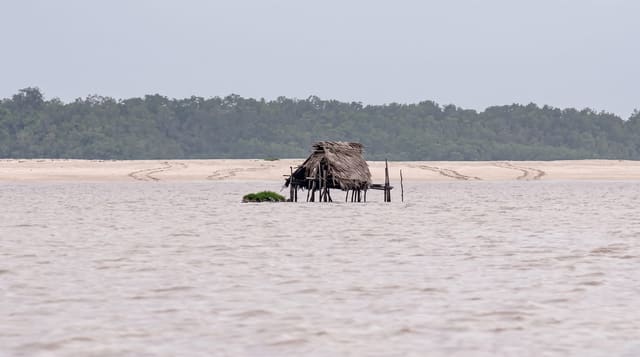
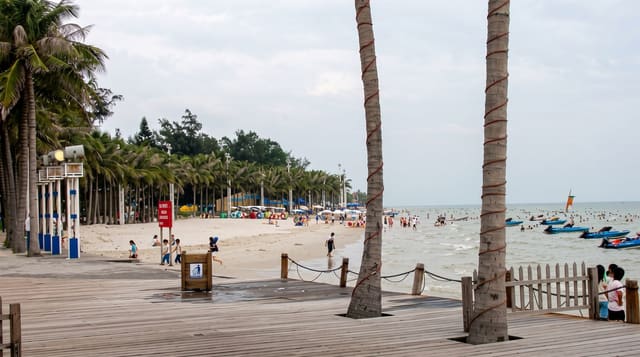
Playa Grande is a wide arc of pale sand between headlands of eroded limestone on the north coast, with a shore break heavy enough to make it one of the few beaches in the country with genuine surf, and enough space that it never feels full. Above it sits a golf course laid out along the clifftops. A few minutes east, Playa Preciosa is smaller and wilder with stronger currents. The village of Río San Juan has the Laguna Gri-Gri, a mangrove lagoon where small boats run out through a tunnel of roots to the coast, past a cave and a swimming spot in a sheltered cove.
What's there
- The beach - a wide arc between limestone headlands with real surf.
- Playa Preciosa - the wilder beach next door, for looking rather than swimming.
- Laguna Gri-Gri - the mangrove lagoon boat trip from the village.
- The clifftop - eroded limestone above the sand.
When to go
December to April is drier, with the biggest surf in the winter months. The sea here is rougher than the sheltered south, so calm days are better for swimming with children. Weekends bring local crowds and food vendors.
Before you go
The shore break at Playa Grande is powerful; it is not a gentle swimming beach, and Playa Preciosa next door is more dangerous still with rip currents. Lifeguard cover is limited. The Gri-Gri lagoon trip is short and has become tired, with pressure to tip at each stop.
Nearby
Cabarete is an hour west; Cabo Francés Viejo is on the headland east.
What to pack for Playa Grande and Río San Juan
Chosen from what this place is for. Tap a kit for the full checklist.
- Reef-safe sunscreen - High SPF that will not bleach the coral you are swimming over. Find on Amazon
- Quick-dry clothing - Board shorts or synthetics that shrug off spray and dry fast. Find on Amazon
- Head torch + spare batteries - Hands-free light is essential; caves are truly dark. Find on Amazon
- Quick-dry towel - A microfibre towel packs small and dries in minutes. Find on Amazon
Some links on this page are Amazon affiliate links - if you buy through them we may earn a small commission at no extra cost to you.
All packing kitsPlan your trip
Where to start if Playa Grande and Río San Juan is going on the list.
Booking links on this page are affiliate links - if you book through them we may earn a small commission at no extra cost to you. It never changes what we write about a place.
Opening times, ticket prices and seasonal closures change - check the official source before you go: official site.