Taíno Heritage
What survives of the island's first people, in language, food and belief, and where to see the objects they left.
Updated 14 October 2026
The Taíno were the people living across Hispaniola when Europeans arrived, and within fifty years disease, forced labour and violence had reduced them to almost nothing as a distinct population. What did not disappear is the trace they left everywhere else: words absorbed into Spanish and then into English, hurricane, canoe, barbecue, hammock, tobacco and maize among them; foods that remain staples, cassava bread still baked in the northwest, and the technique of processing bitter yuca to remove its toxin; and elements of belief that merged into rural religious practice. The objects are in the museums, the rock art is in the caves, and genetic studies have found Taíno ancestry persisting in the modern population.
Highlights
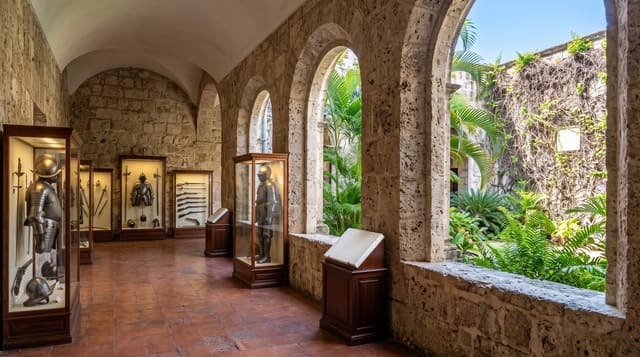
- Museo del Hombre Dominicano - the largest Taíno collection anywhere.
- Cave rock art - El Pomier, Las Maravillas and Los Haitises.
- Casabe - cassava bread, still made and eaten, particularly in the northwest.
- The vocabulary - Taíno words that entered Spanish and then English.
When to go
Year-round for museums; November to April is easier for the cave sites and their access tracks. Cassava bread makers in Monción in the northwest can be visited, and the town holds a casabe festival.
Practical notes
Popular presentation of the Taíno leans heavily on a romantic image, and hotel folklore shows and souvenir carvings have little to do with the archaeology. Nothing survives as a continuous living Taíno community, and claims otherwise should be treated carefully. The rock art sites are fragile and underfunded, and some have been damaged by visitors.
Nearby
The museums are in Santo Domingo; the caves are within two hours of it.
What to pack for Taíno Heritage
Chosen from what this place is for. Tap a kit for the full checklist.
- Quick-dry clothing - Board shorts or synthetics that shrug off spray and dry fast. Find on Amazon
- Head torch + spare batteries - Hands-free light is essential; caves are truly dark. Find on Amazon
- Comfortable walking shoes - Sightseeing means kilometres of pavement and cobbles daily. Find on Amazon
- Secure water shoes or reef boots - Grip on slippery launches and protection on rocky shores. Find on Amazon
Some links on this page are Amazon affiliate links - if you buy through them we may earn a small commission at no extra cost to you.
All packing kitsPlan your trip
Where to start if Taíno Heritage is going on the list.
Booking links on this page are affiliate links - if you book through them we may earn a small commission at no extra cost to you. It never changes what we write about a place.
Opening times, ticket prices and seasonal closures change - check the official source before you go: official site.