Anholt
An isolated Kattegat island with a large desert-like sand plain and Denmark's biggest seal colony.
Updated 19 October 2026
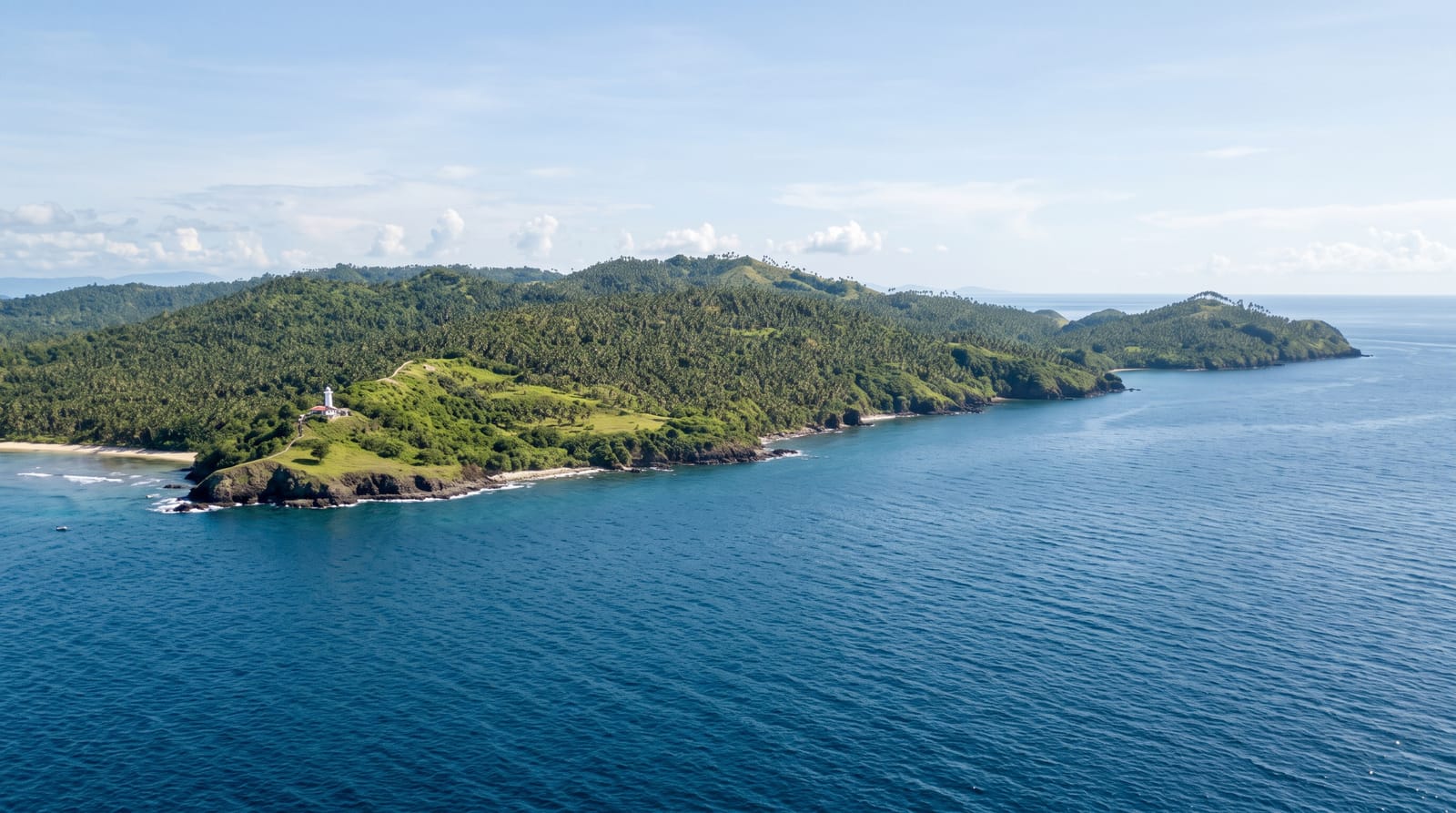
Anholt lies alone in the middle of the Kattegat, roughly halfway between Jutland and Sweden, three hours by ferry from Grenaa, and it has around a hundred and fifty permanent residents in a single village at the western end. The rest of the island is the Ork, a large plain of sand, lichen heath and stunted pine that was stripped of its forest for fuel centuries ago and became one of the largest areas of its kind in northern Europe, walked across on marked paths and often compared to a desert. At the eastern point, Totten, is the largest seal colony in Denmark, with several thousand harbour and grey seals hauled out on the sand, viewable from a marked distance. There are no cars for visitors.
History
Anholt has been settled since the New Stone Age, and flint flakes can still be found on its "desert"; there are Old Stone Age and Viking finds too. King Valdemar II's land register of 1231 shows that the crown owned a house or hunting lodge on Sønderbjerg, the island's highest point. Anholt belonged to the parish of Morup in Halland until a church was built on the island in the mid-16th century, and it stayed Danish when Halland was ceded to Sweden in 1645, according to one story because a negotiator's glass of beer covered it on the map, more plausibly because it was remote and of little interest. In 1668 the island was sold to the tax farmer Peder Jensen Grove and then passed to the Rostgaard von der Maase family, whose descendants own the greater, protected part of it. During the Napoleonic Wars British forces held Anholt from 1809 to 1814 to restore its lighthouse for shipping. The eastern four-fifths, called the Ørkenen, the Desert, is treeless and has never been ploughed, and building there is not permitted; the island had 150 permanent residents in 2022 (Wikipedia, Anholt (island)).
The landscape
- The Ork sand plain - a lichen desert covering most of the island.
- The seal colony at Totten - several thousand animals on the eastern point.
- A single village - the whole settled population at the western end.
- Complete isolation - three hours of open sea in every direction.
When to go
May to September; the ferry runs a reduced winter timetable and weather cancels it. Two to three days, since the crossing eats a day at each end. The walk to the seals and back is a long day in itself.
Practical notes
The ferry is long, exposed and cancels in bad weather, which can strand you. Accommodation is very limited and books out for the summer. There are no shops beyond a small store. The walk to the seal colony is about ten kilometres each way over soft sand with no shade or water.
Nearby
Grenaa on Djursland is the mainland port; Laeso lies north in the same sea.
Key facts
Source: Wikidata, item Q216845, read on 18 October 2026.
What to pack for Anholt
Chosen from what this place is for. Tap a kit for the full checklist.
- Reef-safe sunscreen - High SPF that will not bleach the coral you are swimming over. Find on Amazon
- Loose, light, long clothing - Covering up beats bare skin in the desert - and locals dress this way for a reason. Find on Amazon
- Quick-dry towel - A microfibre towel packs small and dries in minutes. Find on Amazon
- A wide-brim hat + sunglasses - Shade for your face and eyes where there is none overhead. Find on Amazon
Some links on this page are Amazon affiliate links - if you buy through them we may earn a small commission at no extra cost to you.
All packing kitsPlan your trip
Where to start if Anholt is going on the list.
Booking links on this page are affiliate links - if you book through them we may earn a small commission at no extra cost to you. It never changes what we write about a place.
Opening times, ticket prices and seasonal closures change - check the official source before you go: official site.