Sovinec Castle
A large fortified castle on a wooded ridge in the Nizky Jesenik, with a long walk in through successive gates.
Updated 19 October 2026
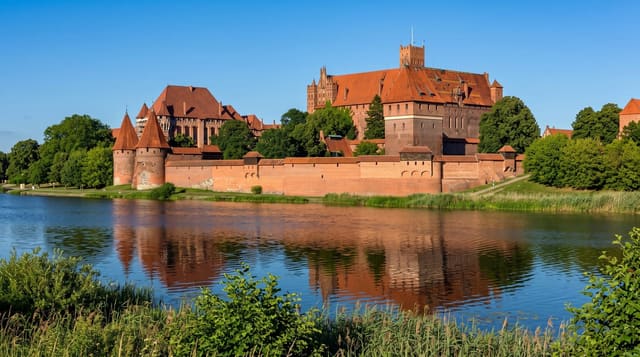
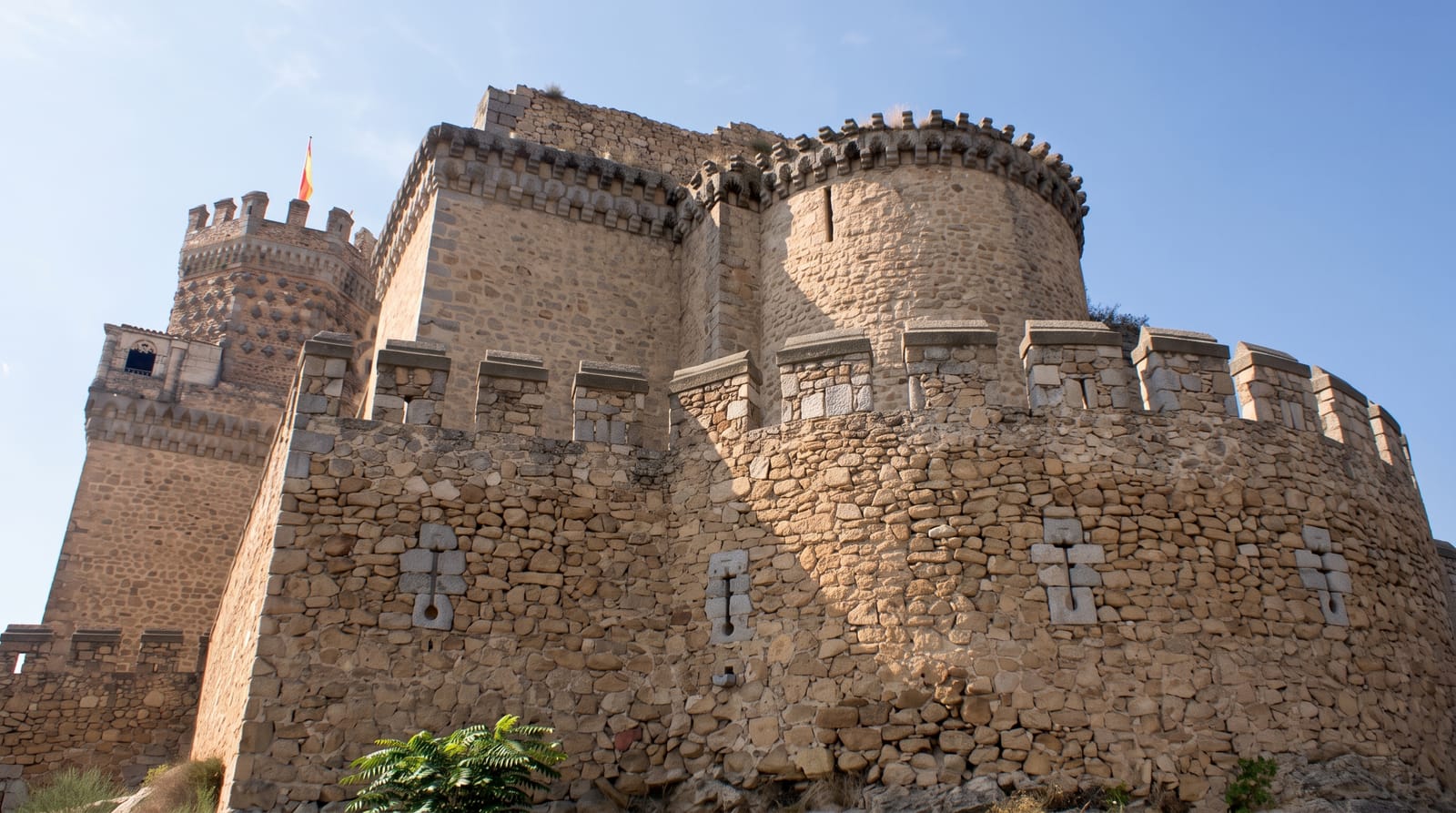
Sovinec was founded in the fourteenth century on a rock ridge in the forested Nizky Jesenik and grew into one of the largest fortified complexes in Moravia - a medieval core with a keep, wrapped in successive rings of wall, bastions and gates added through the sixteenth and seventeenth centuries as artillery developed, so the approach passes through a long sequence of defences before reaching the courtyard. It was besieged and taken by the Swedes in 1643 after a long resistance. The Teutonic Order held it and ran a school here. It burned in 1945 and reconstruction has been running since the 1970s, with some parts restored and others still shells. There is an exhibition, a keep with a view over the forest, and a heavy summer programme of markets, falconry and historical events, which is how the castle funds its restoration.
History
In the second half of the 13th century the bishops of Olomouc, colonising the mountains, came into conflict with the Jeseník landlords, and under that pressure the brothers Vok and Pavel of the old Moravian Hrutovic family, later "of Huzová", built Sovinec in 1329-1332 to mark the border of their land; they also used the German form of the name, Eulenburg. The lords of Sovinec counted among the oldest Moravian ruling families, Petr of Sovinec signed the noblemen's protest at the burning of Jan Hus, and in the Hussite period the castle was a stronghold and the meeting place of Prokop Holý and Sigismund Korybut. As supporters of King George of Poděbrady the family saw its lands laid waste by Matthias Corvinus in August 1474, and by 1490 Sovinec was the centre of a domain of one town and 18 villages; the watchtower with the family emblem and the walls of the fortified village date from this time. In 1623 the estate passed to Karl I of Liechtenstein, who gave it the same year to the Teutonic Order, and the castle was strongly fortified in 1642-1643; Lennart Torstenson besieged it in 1643, and the defenders capitulated after half a month, the Swedes holding it until they withdrew in 1650. Under Johann Caspar von Ampringen (1653-1664) it was rebuilt as the Order's main stronghold, and after a fire in 1784 it was partly renovated, though the damaged fortifications were never repaired (Wikipedia, Sovinec Castle).
The main sights
- Rings of successive defences - the approach through gates and bastions to the core.
- A medieval keep - climbable, over the forested Nizky Jesenik.
- Partial reconstruction - restored sections beside unroofed shells since the 1970s.
- A summer events programme - markets and falconry funding the work.
When to go
April to October. Half a day.
What to expect
Much remains unrestored and closed. Seasonal opening only. The village is small and remote with poor public transport. Event weekends change the ticketing and fill the parking.
Nearby
Bruntal is north; Resov waterfalls are west.
Key facts
Source: Wikidata, item Q1014034, read on 18 October 2026.
What to pack for Sovinec Castle
Chosen from what this place is for. Tap a kit for the full checklist.
- Comfortable walking shoes - Sightseeing means kilometres of pavement and cobbles daily. Find on Amazon
- A slim anti-theft daypack - Zips that close properly; keep it in front in crowds and on transit. Find on Amazon
- A refillable water bottle - Many cities have public fountains; save money and plastic. Find on Amazon
- A light layer + compact umbrella - For museum air-con and a sudden shower. Find on Amazon
Some links on this page are Amazon affiliate links - if you buy through them we may earn a small commission at no extra cost to you.
All packing kitsPlan your trip
Where to start if Sovinec Castle is going on the list.
Booking links on this page are affiliate links - if you book through them we may earn a small commission at no extra cost to you. It never changes what we write about a place.
Opening times, ticket prices and seasonal closures change - check the official source before you go: official site.