Schwarzenberg Canal
A canal dug across a watershed in the 1790s to float firewood from Bohemian forests all the way to Vienna.
Updated 29 August 2026
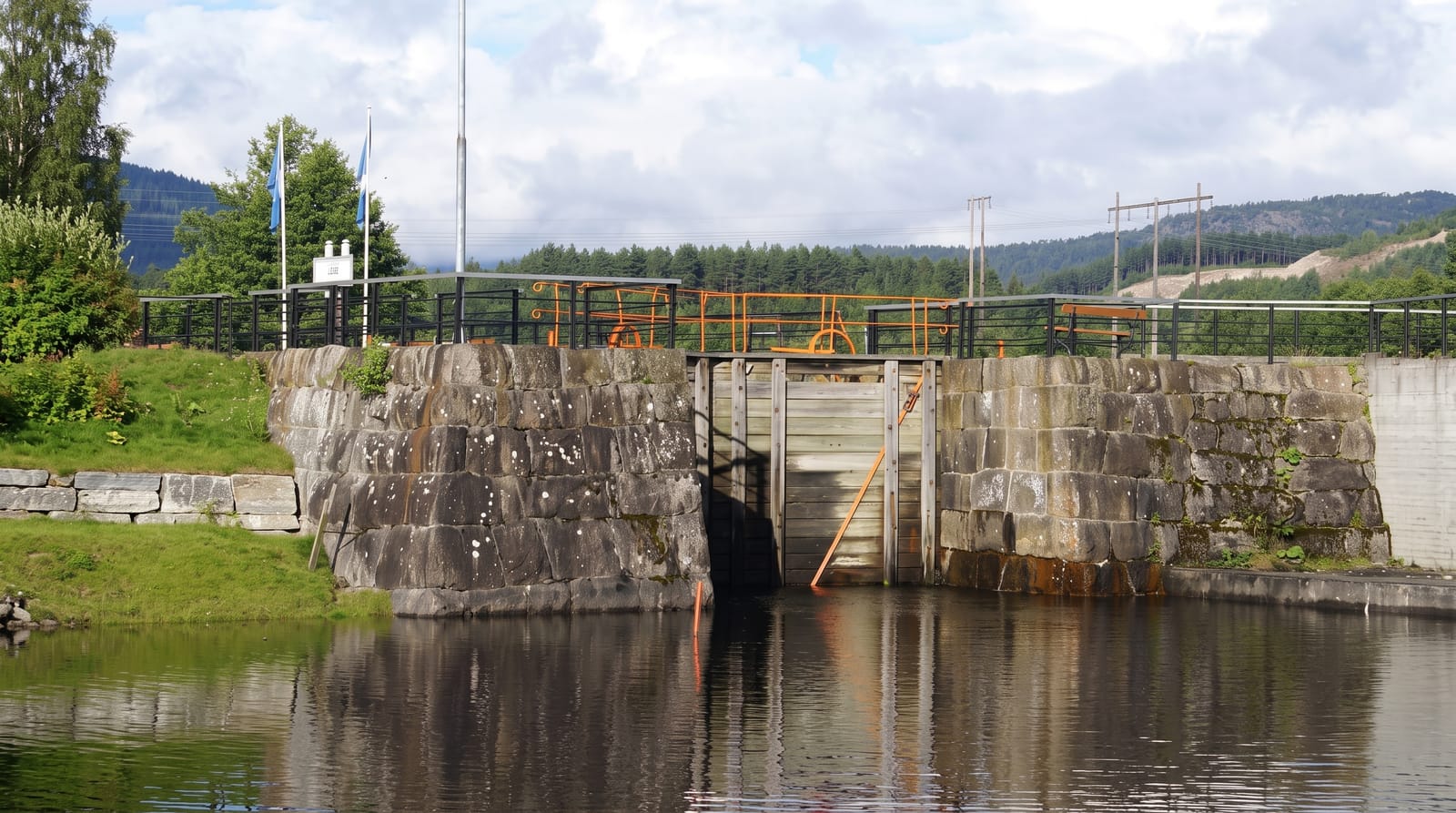
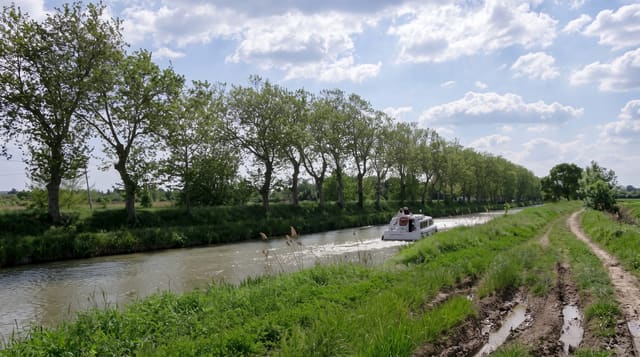
Vienna in the eighteenth century needed firewood and had run short of it, while the Schwarzenberg estates in the Sumava had enormous stands of spruce that could not be moved because the rivers there flow north into the Vltava and the Elbe. Josef Rosenauer's solution, built between 1789 and 1822, was a contour canal running about fifty kilometres along the mountain flank at a near-constant gradient, crossing the European watershed, so logs cut on the Bohemian side could be floated into the Danube system and down to Vienna. It included a tunnel of over four hundred metres through a ridge. Floating continued into the twentieth century, ending in the 1960s. Long stretches survive with their stone lining, sluices and the tunnel, and are followed by walking and cycling routes through the Sumava forest; demonstration floats are staged in summer at some sections.
What you'll find
- A contour canal across a watershed - fifty kilometres at a near-constant gradient.
- A stone-lined channel - with sluices and structures surviving along much of it.
- A four-hundred-metre tunnel - cut through a ridge to cross the divide.
- Demonstration floats - staged at some sections in summer.
When to go
May to September. A day.
Practical notes
Only parts hold water, and much of the route is a dry channel in the forest. Demonstration events run on set dates. National park rules restrict access in the core zones. Trails are long between services.
Nearby
Lipno reservoir is east; the Sumava ridges rise west.
Key facts
Source: Wikidata, item Q338691, read on 18 October 2026.
What to pack for Schwarzenberg Canal
Chosen from what this place is for. Tap a kit for the full checklist.
- Padded shorts - The one thing that makes a full day in the saddle bearable. Find on Amazon
- Comfortable walking shoes - Sightseeing means kilometres of pavement and cobbles daily. Find on Amazon
- Helmet - Bring your own if you have a good one; rentals vary wildly. Find on Amazon
- A slim anti-theft daypack - Zips that close properly; keep it in front in crowds and on transit. Find on Amazon
Some links on this page are Amazon affiliate links - if you buy through them we may earn a small commission at no extra cost to you.
All packing kitsPlan your trip
Where to start if Schwarzenberg Canal is going on the list.
Booking links on this page are affiliate links - if you book through them we may earn a small commission at no extra cost to you. It never changes what we write about a place.
Opening times, ticket prices and seasonal closures change - check the official source before you go: official site.