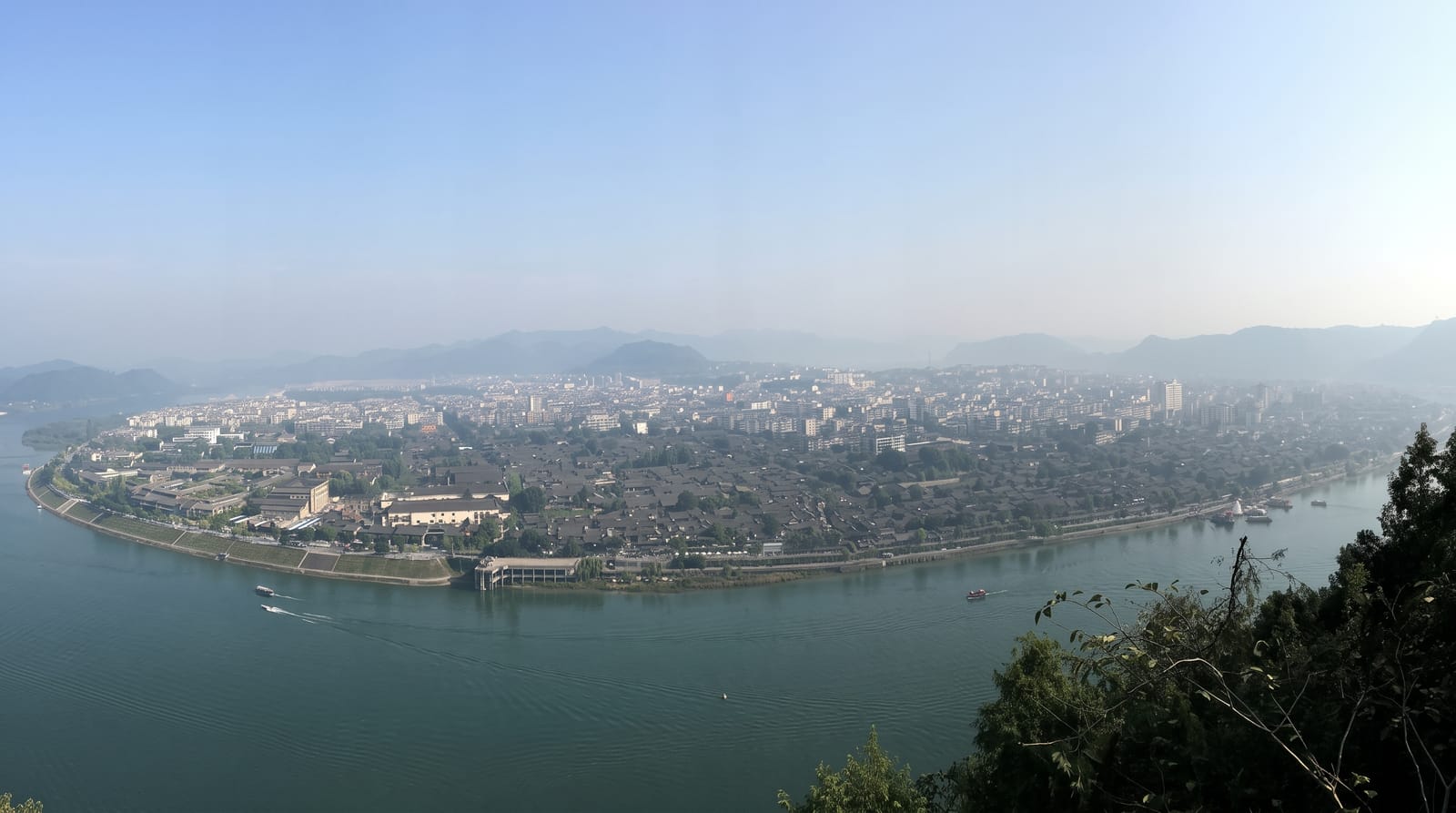
Sancti Spiritus
One of the original Spanish villas, with a hump-backed bridge over the Yayabo and a colonial centre largely free of tour buses.
Updated 19 October 2026
Sancti Spíritus was founded in 1514 as one of the first seven Spanish settlements on the island, and its centre has kept a coherent stretch of colonial streets without becoming a destination in the way Trinidad has. The Yayabo bridge, a brick arch structure from the 1820s, is the town's emblem and one of very few of its kind in Cuba. The Parroquial Mayor church claims one of the oldest foundations in the country, and the Palacio Valle Iznaga gives a good sense of how a planter family lived.
History
Sancti Spíritus, Latin for "of the Holy Spirit", was founded by Diego Velázquez de Cuéllar in 1514 and is one of the oldest European settlements in Cuba. The town sent men on Hernán Cortés's expedition to Mexico in 1518, among them Alonso Hernández Puertocarrero, Gonzalo de Sandoval and Juan Velázquez de León. The descendants of Francisco Iznaga, a Basque landowner who became mayor of Bayamo in 1540, settled in Sancti Spíritus and Trinidad, where the Iznaga Tower stands (Wikipedia, Sancti Spíritus).
What you'll find
- The Yayabo bridge - a five-arch brick bridge of the 1820s, the town's emblem.
- The Parroquial Mayor - a church on an early sixteenth-century foundation, rebuilt in stone.
- Calle Llano - a narrow colonial street of low tiled houses running down to the river.
- Palacio Valle Iznaga - a planter family's town house, furnished as a museum.
When to go
November to April is the dry season. The town is quiet all year and rarely crowded. Summer is hot and the central streets have little shade.
Practical notes
It is often treated as a stop between Trinidad and Camaguey rather than a destination, and there is genuinely less here than in either. Museums keep short hours and close unpredictably. Accommodation is mostly private houses.
Nearby
Trinidad is west along the coast road, and the Escambray mountains are southwest.
Key facts
Source: Wikidata, item Q845720, read on 18 October 2026.
What to pack for Sancti Spiritus
Chosen from what this place is for. Tap a kit for the full checklist.
- Comfortable walking shoes - Sightseeing means kilometres of pavement and cobbles daily. Find on Amazon
- Shelter suited to the place - Tent, tarp or hut booking - match it to the terrain and rules. Find on Amazon
- A slim anti-theft daypack - Zips that close properly; keep it in front in crowds and on transit. Find on Amazon
- A warm sleeping bag + mat - Rated a little colder than you expect the nights to be. Find on Amazon
Some links on this page are Amazon affiliate links - if you buy through them we may earn a small commission at no extra cost to you.
All packing kitsPlan your trip
Where to start if Sancti Spiritus is going on the list.
Booking links on this page are affiliate links - if you book through them we may earn a small commission at no extra cost to you. It never changes what we write about a place.
Opening times, ticket prices and seasonal closures change - check the official source before you go: official site.