Susak
An island made of sand rather than rock, with vineyards in the dunes and a dialect nobody else speaks.
Updated 21 October 2026
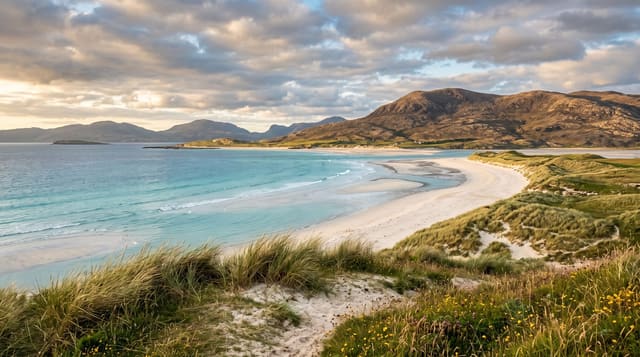
Susak is geologically unlike the rest of the Adriatic islands: a limestone base buried under a thick cap of fine wind-blown sand, up to about ninety metres of it, so the whole island is soft ground held together by vegetation. That made it possible to dig terraces and reed windbreaks for vineyards, which covered it densely when the population was near a thousand. The island now has well under two hundred permanent residents, though it fills in summer. The local speech is a distinct Chakavian variety that other Croatian speakers find hard to follow, and the women's traditional short pleated skirt is unusual.
History
Little of Susak's history before the 20th century is known, since it was mostly passed down by word of mouth. The name is thought to come from the Greek sampsychon, marjoram, which became Sansegus and Sansego in Romance speech and Susak in Slavic. In Greek legend the islands of the Kvarner were the Absyrtides, where Medea's brother Absyrtus was killed and his body became the islets around Cres and Lošinj. The island may have been settled for two thousand years, though the evidence comes from neighbouring islands. The earliest surviving text to name it, written by John the Deacon in the early 11th century, tells how Saracens destroyed a Venetian fleet in 844 and the surviving ships fled to Sansego. Around 1071 King Petar Krešimir gave the island to Benedictine monks to build an abbey of Saints Michael and Nicholas, and they governed it until some time before 1267 (Wikipedia, Susak).
Highlights
- An island of sand - up to ninety metres of wind-blown deposit over rock.
- Reed-fenced vineyard terraces - dug into the soft ground.
- A dialect and dress of its own - both distinct from the mainland.
When to go
June to September, when ferries are frequent. A full day.
What to expect
Ferry schedules are limited and a day trip can be tight or impossible off season. There are no cars, and everything is carried. Services are a handful of seasonal places. Beaches are sand, which is rare here and busy for it.
Nearby
Unije is the next island; Mali Losinj is the ferry port.
Key facts
Source: Wikidata, item Q994174, read on 18 October 2026.
What to pack for Susak
Chosen from what this place is for. Tap a kit for the full checklist.
- Reef-safe sunscreen - High SPF that will not bleach the coral you are swimming over. Find on Amazon
- Loose, light, long clothing - Covering up beats bare skin in the desert - and locals dress this way for a reason. Find on Amazon
- Quick-dry towel - A microfibre towel packs small and dries in minutes. Find on Amazon
- A wide-brim hat + sunglasses - Shade for your face and eyes where there is none overhead. Find on Amazon
Some links on this page are Amazon affiliate links - if you buy through them we may earn a small commission at no extra cost to you.
All packing kitsPlan your trip
Where to start if Susak is going on the list.
Booking links on this page are affiliate links - if you book through them we may earn a small commission at no extra cost to you. It never changes what we write about a place.
Opening times, ticket prices and seasonal closures change - check the official source before you go: official site.