Dvigrad
A walled town abandoned in 1631 after plague and malaria, left standing and never rebuilt.
Saved in this browser only - no account, nothing sent anywhere. See your map
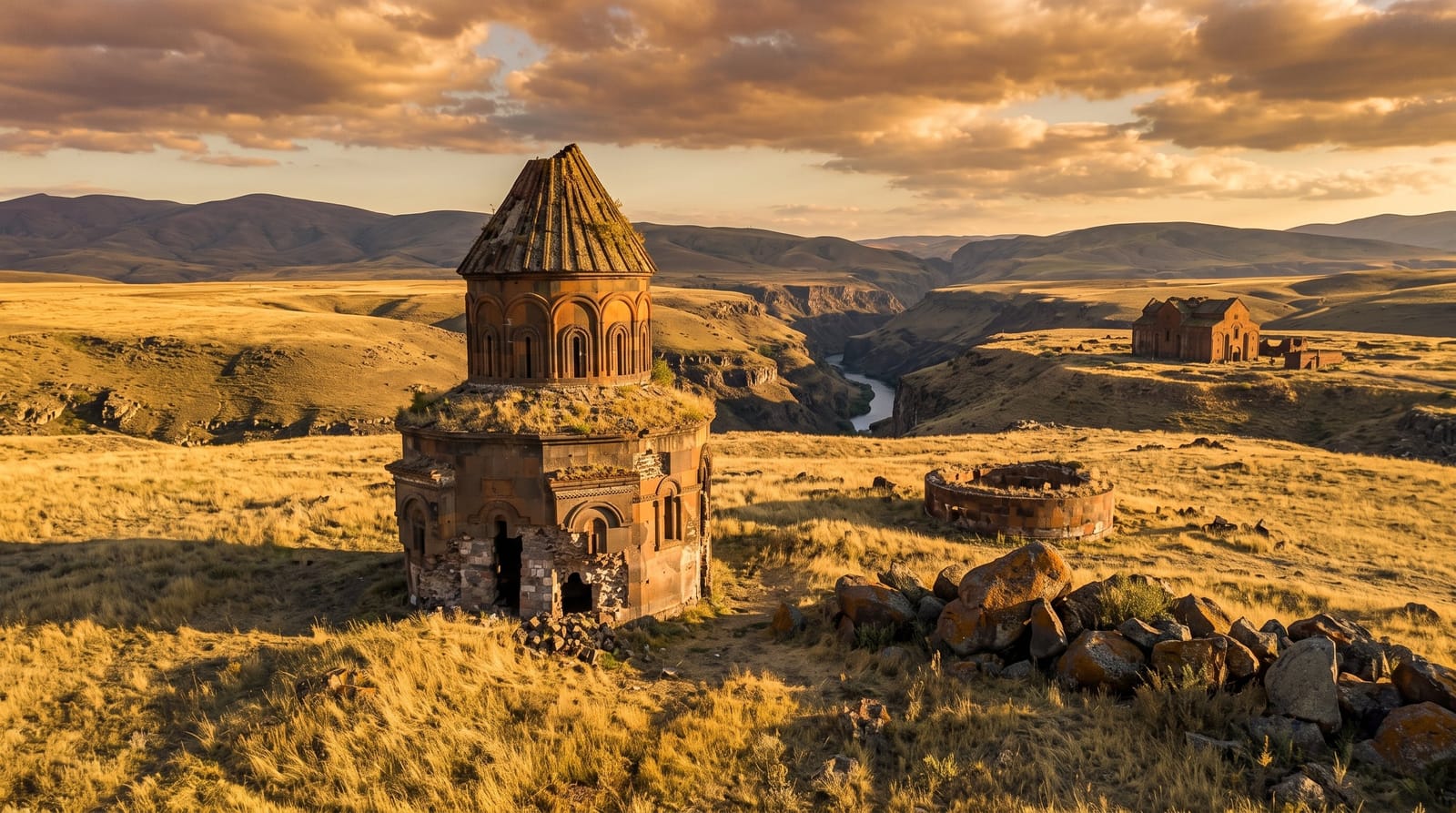
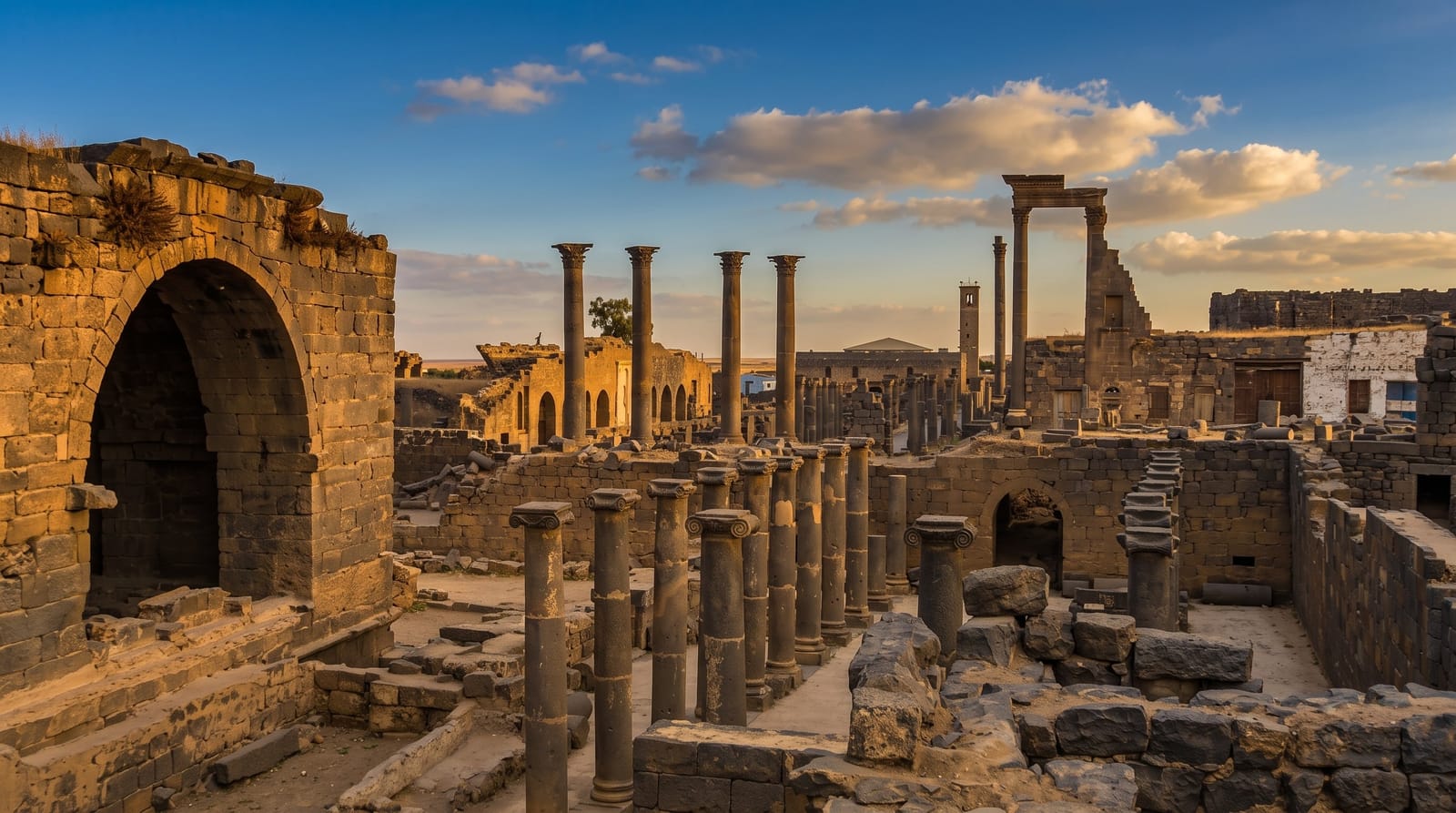
Dvigrad stood above the Draga valley and was a proper town - two rings of walls, some two hundred buildings, three gates and the basilica of St Sophia at its highest point. Plague came repeatedly through the sixteenth century, malaria from the valley below never let up, and in 1631 the last inhabitants gave up and moved to Kanfanar, taking what they could carry including the church furnishings. Nothing was built on the site afterwards, so what stands is a whole town in ruin: walls to full height in places, street lines, cisterns, the basilica apse. Vegetation has taken much of it and stabilisation work continues.
What you actually see
- A whole town in ruin - walls, streets and cisterns still readable.
- Abandoned in 1631 - after plague and persistent malaria.
- The basilica of St Sophia - at the highest point of the site.
- Never rebuilt over - the reason the plan survives.
When to go
April to October; the site is overgrown and wet in winter. Two hours.
Honest expectations
There is no interpretation on site and little signage - a plan helps. Walls are unstable in places and fenced off. Ticks and snakes are a real consideration in the undergrowth. No facilities.
Nearby
Kanfanar is minutes away; the Lim channel is west.
What to pack for Dvigrad
Chosen from what this place is for. Tap a kit for the full checklist.
Opening times, ticket prices and seasonal closures change - check the official source before you go: official site.