Salamina
A Caldas heritage town whose doors, balconies and ceilings were carved by one family of woodworkers over generations.
Updated 30 August 2026
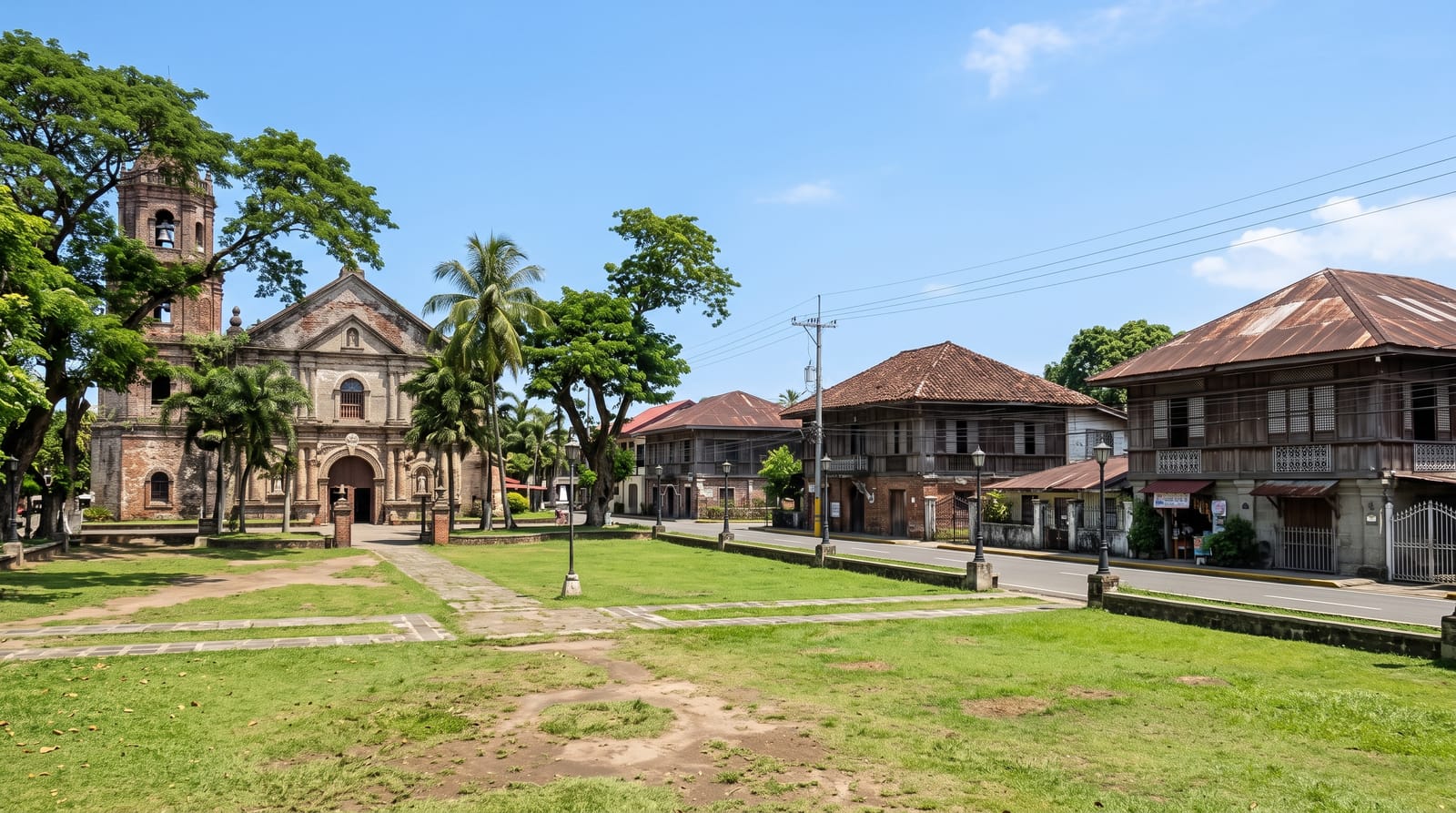
Salamina was founded in 1825 and was one of the bases from which the Antioquian colonisation spread south, which means it predates most of the coffee region towns. Its distinguishing feature is woodwork: much of the carving on the doors, window frames, balconies and interior ceilings was done by Eliseo Tangarife and his family over the nineteenth and twentieth centuries, and the density and quality of it across one town is unusual - carved ceilings survive in a number of houses and public buildings. The town was declared a national monument. It sits within the UNESCO Coffee Cultural Landscape. It is quieter and far less visited than Salento, partly because the road in is long and winding. San Felix nearby holds a wax palm valley.
Highlights
- Carved doors, balconies and ceilings - largely by one family of woodworkers.
- A town founded in 1825 - predating most of the coffee region.
- A national monument designation - covering the town centre.
- Far fewer visitors than Salento - the road in is long.
When to go
Year round. A full day.
What to expect
The road from Manizales is winding and slow. Carved interiors are in private houses - seeing them may need asking or a local guide. Accommodation is limited. Rain is frequent.
Nearby
San Felix and its wax palms are east; Manizales is south.
Key facts
Source: Wikidata, item Q610524, read on 18 October 2026.
What to pack for Salamina
Chosen from what this place is for. Tap a kit for the full checklist.
- Comfortable walking shoes - Sightseeing means kilometres of pavement and cobbles daily. Find on Amazon
- A slim anti-theft daypack - Zips that close properly; keep it in front in crowds and on transit. Find on Amazon
- A refillable water bottle - Many cities have public fountains; save money and plastic. Find on Amazon
- A light layer + compact umbrella - For museum air-con and a sudden shower. Find on Amazon
Some links on this page are Amazon affiliate links - if you buy through them we may earn a small commission at no extra cost to you.
All packing kitsPlan your trip
Where to start if Salamina is going on the list.
Booking links on this page are affiliate links - if you book through them we may earn a small commission at no extra cost to you. It never changes what we write about a place.
Opening times, ticket prices and seasonal closures change - check the official source before you go: official site.