Honda
A Magdalena river port that was the gateway to the interior for three centuries, with dozens of stone bridges over its ravines.
Updated 19 October 2026
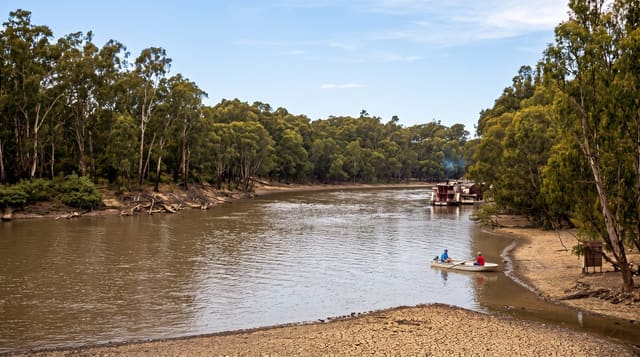
Everything and everyone entering Colombia from the Caribbean came up the Magdalena and stopped at Honda, because rapids above the town blocked navigation - goods were unloaded here and carried on mules up the royal road to Bogota, which made it one of the wealthiest towns in the colony and the country's commercial hinge for three hundred years. Streams cut through the town in ravines and something like forty stone bridges cross them, which is where the nickname city of bridges comes from. The Puente Navarro, an iron bridge over the Magdalena of 1899, was built in the United States and shipped in pieces. Rail and then road ended the river trade and the town declined; the colonial and Republican fabric survived because of that.
History
Francisco Núñez Pedroso founded Honda on 24 August 1539 on the Magdalena, where rapids stopped the river boats, and its more than forty bridges over the Magdalena, the Gualí, the Guarinó and the Quebrada Seca earned it the name city of bridges; an earthquake in June 1805 destroyed much of the town. Its golden age ran from 1850 to 1910, when the river was the only route between the Caribbean coast and Bogotá and every imported good bound for the capital came through its port. The Navarro Bridge over the Magdalena, built from 1894, opened on 16 January 1899, and in 2010 Honda was named a heritage town of Colombia (Wikipedia, Honda, Tolima; Spanish Wikipedia, Honda - Tolima).
The main sights
- Around forty stone bridges - over the ravines cutting through the town.
- The Puente Navarro of 1899 - iron, shipped in pieces from the United States.
- A port that was the gateway inland - for three centuries.
- Fabric preserved by decline - when rail and road took the trade.
When to go
December to March; the subienda fish run is in the early year. Half a day.
Things to know
It is very hot - Honda sits low on the river. Buildings are in mixed repair. The town is quiet and services are limited. Most visitors stop between Bogota and Medellin rather than staying.
Nearby
Mariquita is west; Ambalema is south along the river.
What to pack for Honda
Chosen from what this place is for. Tap a kit for the full checklist.
- Comfortable walking shoes - Sightseeing means kilometres of pavement and cobbles daily. Find on Amazon
- A slim anti-theft daypack - Zips that close properly; keep it in front in crowds and on transit. Find on Amazon
- A refillable water bottle - Many cities have public fountains; save money and plastic. Find on Amazon
- A light layer + compact umbrella - For museum air-con and a sudden shower. Find on Amazon
Some links on this page are Amazon affiliate links - if you buy through them we may earn a small commission at no extra cost to you.
All packing kitsPlan your trip
Where to start if Honda is going on the list.
Booking links on this page are affiliate links - if you book through them we may earn a small commission at no extra cost to you. It never changes what we write about a place.
Opening times, ticket prices and seasonal closures change - check the official source before you go: official site.