Bogota Botanical Garden
A Bogota garden collecting Andean and paramo plants, including frailejones that grow a centimetre a year and store the city's water.
Updated 18 October 2026
The garden is named for Jose Celestino Mutis, who led the Royal Botanical Expedition of New Granada from 1783 and catalogued an enormous quantity of Andean plants. Its collections concentrate on Colombian high-altitude flora, and the paramo section matters more than it looks: frailejones, the woolly-leaved plants that dominate that ecosystem, grow roughly a centimetre a year, so a plant two metres tall has been there two centuries, and their leaves capture water from cloud that feeds the rivers Bogota drinks from. Orchid collections are substantial - Colombia has more orchid species than any other country. A tropical glasshouse holds lowland species that will not survive at 2,600 metres outdoors.
History
The garden honours José Celestino Mutis, born in Cádiz in 1732, who from 1783 led the Royal Botanical Expedition to New Granada, which described more than 6,600 new plant species, though most of his work was never published. In 1937 the botanist and priest Enrique Pérez Arbeláez tried to found a school of botany at the National University, but civil unrest held the plan back; on 6 August 1955 the Bogotá council lent him 43.34 acres, and he founded the garden and named it after Mutis (Wikipedia, Bogotá Botanical Garden).
Highlights
- Paramo frailejones - growing a centimetre a year, capturing cloud water.
- A large orchid collection - from the country with the most species.
- Andean high-altitude flora - the garden's main focus.
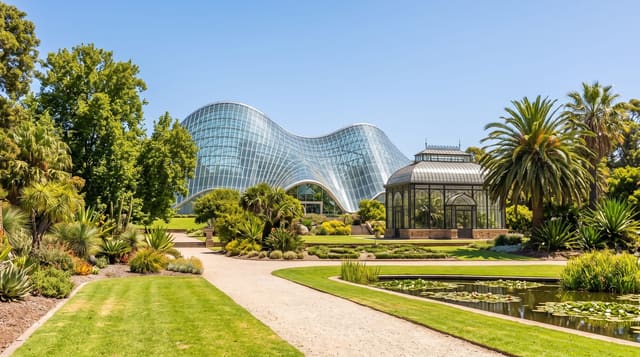
- A tropical glasshouse - for species that cannot live outside at altitude.
When to go
Year round; Bogota is cool and often wet. Two hours.
Good to know
Bogota's weather is changeable and often drizzling - bring a layer. Labelling is largely in Spanish. It is in the west of the city, away from the tourist centre. Weekend crowds are heavy.
Nearby
Parque Simon Bolivar is east; central Bogota is beyond.
Key facts
Source: Wikidata, item Q979670, read on 18 October 2026.
What to pack for Bogota Botanical Garden
Chosen from what this place is for. Tap a kit for the full checklist.
- Layers for big temperature swings - Warm sun by day, near-freezing at night, even near the equator. Find on Amazon
- Comfortable walking shoes - Sightseeing means kilometres of pavement and cobbles daily. Find on Amazon
- Shelter suited to the place - Tent, tarp or hut booking - match it to the terrain and rules. Find on Amazon
- Extra-strong sun protection - Thin air means fierce UV; hat, sunglasses and high-SPF sunscreen. Find on Amazon
Some links on this page are Amazon affiliate links - if you buy through them we may earn a small commission at no extra cost to you.
All packing kitsPlan your trip
Where to start if Bogota Botanical Garden is going on the list.
Booking links on this page are affiliate links - if you book through them we may earn a small commission at no extra cost to you. It never changes what we write about a place.
Opening times, ticket prices and seasonal closures change - check the official source before you go: official site.