Zhenbeipu Western Film Studio
Two Ming and Qing frontier forts turned into standing film sets, used for dozens of well-known Chinese films.
Updated 4 September 2026
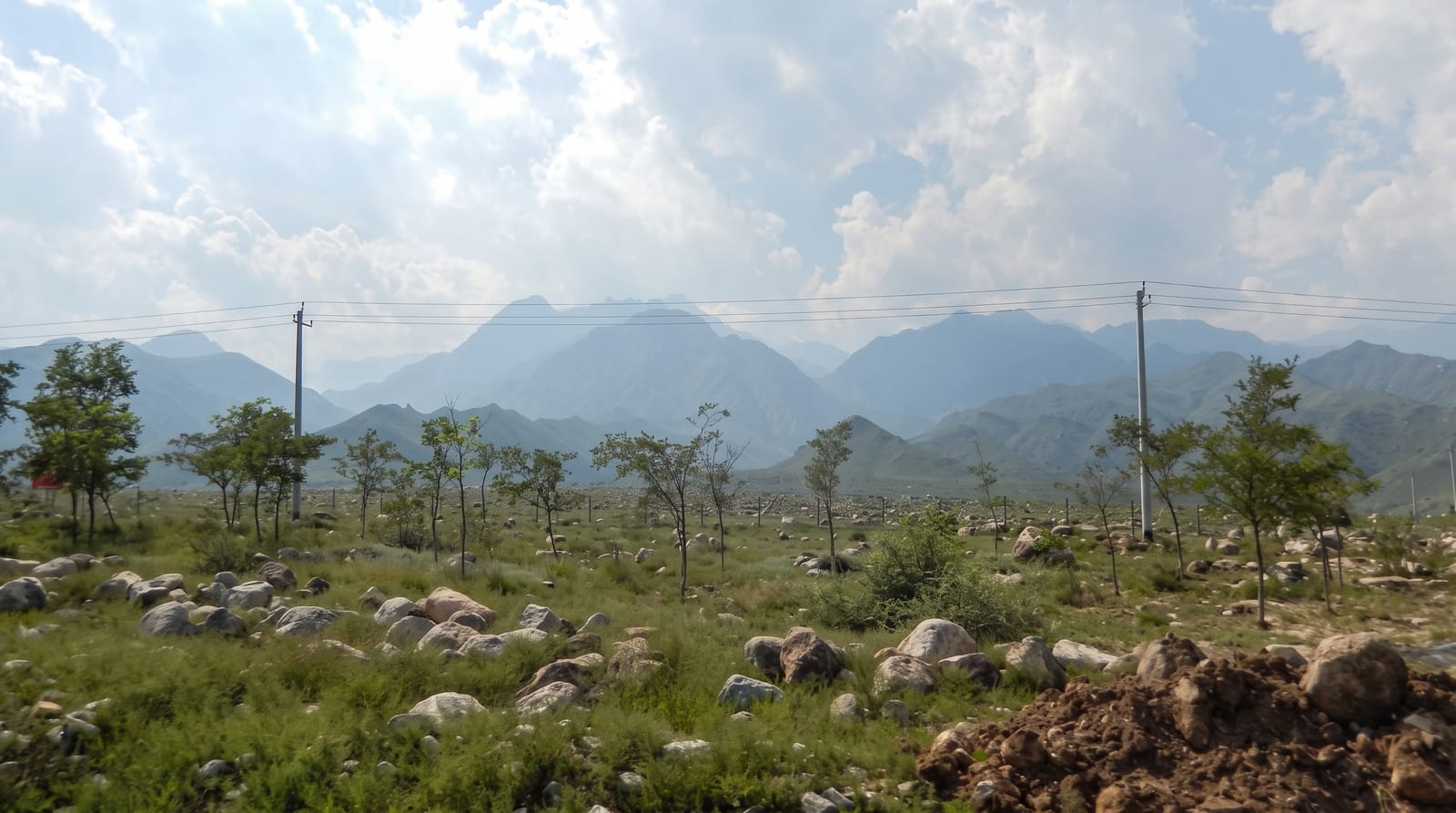
Zhenbeipu was a pair of frontier forts, one from the Ming and one from the Qing, built of rammed earth on the dry plain below the Helan range, and in the 1980s a writer, Zhang Xianliang, recognised that the weathered walls and empty desert made ready-made film sets. The studio he founded became the location for a long list of Chinese films, notably Red Sorghum and A Chinese Odyssey, and the sets from those productions have been left standing, so visitors walk through streets, courtyards, inns and workshops built for particular films, with stills and equipment displayed alongside.
What's there
- The two earth forts - Ming and Qing frontier walls and gates.
- The standing sets - streets and interiors left from famous productions.
- The film displays - stills, props and equipment from the shoots.
- The desert setting - dry plain below the Helan range.
When to go
April to June and September to October; summer is hot with little shade and winter cold and windy. Weekends and holidays are busy with domestic visitors who know the films.
Things to know
The appeal depends heavily on knowing the films; visitors who do not may find it thin. Sets are wood and plaster and weathering. Entry is charged and staged performances are frequent.
Nearby
The Western Xia tombs lie south; Yinchuan is east.
Key facts
Source: Wikidata, item Q15897600, read on 18 October 2026.
What to pack for Zhenbeipu Western Film Studio
Chosen from what this place is for. Tap a kit for the full checklist.
- Loose, light, long clothing - Covering up beats bare skin in the desert - and locals dress this way for a reason. Find on Amazon
- Comfortable walking shoes - Sightseeing means kilometres of pavement and cobbles daily. Find on Amazon
- A wide-brim hat + sunglasses - Shade for your face and eyes where there is none overhead. Find on Amazon
- A slim anti-theft daypack - Zips that close properly; keep it in front in crowds and on transit. Find on Amazon
Some links on this page are Amazon affiliate links - if you buy through them we may earn a small commission at no extra cost to you.
All packing kitsPlan your trip
Where to start if Zhenbeipu Western Film Studio is going on the list.
Booking links on this page are affiliate links - if you book through them we may earn a small commission at no extra cost to you. It never changes what we write about a place.
Opening times, ticket prices and seasonal closures change - check the official source before you go: official site.