Xiangtangshan Grottoes
Northern Qi cave temples of the sixth century whose finest sculptures were cut out and sold abroad a century ago.
Updated 4 September 2026
AI illustration
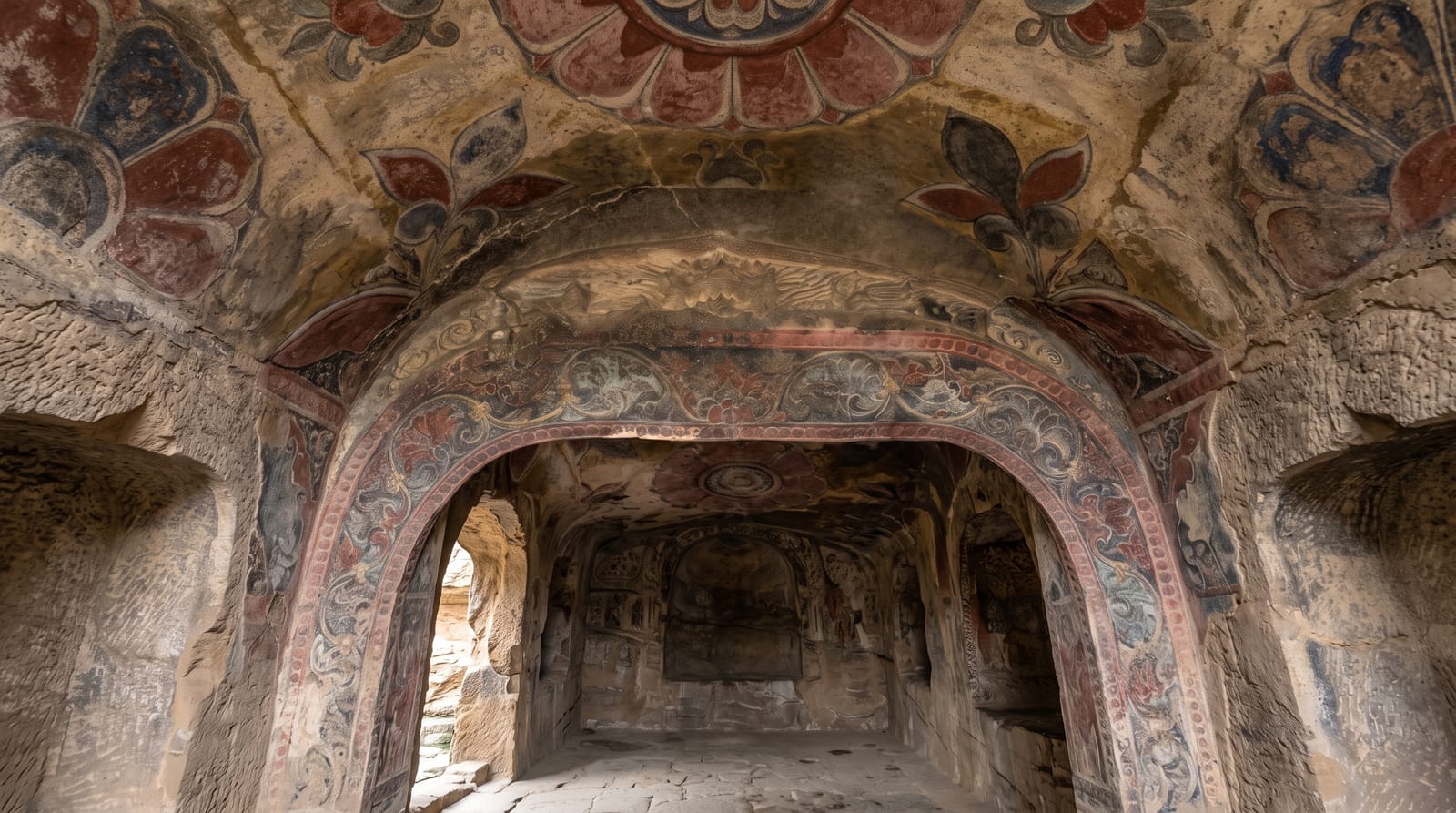
The Xiangtangshan caves were carved in the sixth century under the Northern Qi, whose capital lay nearby, and their sculpture, full-bodied figures with softly modelled drapery, marks a distinct moment between the linear Northern Wei style and the fuller Tang manner. In the 1910s and 1920s the caves were systematically looted: heads and whole figures were cut from the walls and sold on the international market, and pieces are now in museums across the United States, Europe and Japan, with the mutilated niches still visible in the caves. A digital reunification project has scanned dispersed pieces and the caves to reconstruct the originals virtually. A museum at the site explains both the art and the losses.
What's there
- The Northern Qi sculpture - sixth-century figures in a distinctive full style.
- The cut niches - the scars where heads and figures were removed.
- The northern and southern groups - two cave sites some fifteen kilometres apart.
- The site museum - interpretation of the caves and the dispersal of their sculpture.
When to go
April to May and September to October for comfortable weather; the caves are quiet compared with Yungang or Longmen. Handan is reached by high-speed rail, and a taxi is needed for the last stretch.
What to expect
The damage is extensive and confronting; many figures are headless. The two groups are separate sites with separate access. English interpretation is limited. Handan itself is an industrial city with little for visitors.
Nearby
Handan lies east; the Taihang mountains rise west.
What to pack for Xiangtangshan Grottoes
Chosen from what this place is for. Tap a kit for the full checklist.
- Head torch + spare batteries - Hands-free light is essential; caves are truly dark. Find on Amazon
- Comfortable walking shoes - Sightseeing means kilometres of pavement and cobbles daily. Find on Amazon
- Modest clothing - Shoulders and knees covered - the single most common requirement. Find on Amazon
- Grippy closed shoes - Cave floors are wet, muddy and slick with formations. Find on Amazon
Some links on this page are Amazon affiliate links - if you buy through them we may earn a small commission at no extra cost to you.
All packing kitsPlan your trip
Where to start if Xiangtangshan Grottoes is going on the list.
Booking links on this page are affiliate links - if you book through them we may earn a small commission at no extra cost to you. It never changes what we write about a place.
Opening times, ticket prices and seasonal closures change - check the official source before you go: official site.