Wild Elephant Valley
Tropical forest holding China's only wild Asian elephants, watched from walkways above the valley floor.
Updated 4 September 2026
AI illustration
Asian elephants survive in China only in the far south of Yunnan, a population of a few hundred concentrated in Xishuangbanna, and this valley in the Mengyang reserve is where they are most often encountered because a salt lick and river draw them onto the valley floor. Visitors watch from raised walkways and a cable car running above the canopy, so sightings are from a distance and never guaranteed; on many days the herd is elsewhere in the forest. The reserve also holds gibbons, hornbills, peacocks and dense tropical vegetation, and a rescue and breeding centre cares for injured animals.
The landscape
- The raised walkways - paths above the valley floor where elephants pass.
- The cable car - a ride over the canopy the length of the valley.
- The rescue centre - injured and orphaned elephants under care.
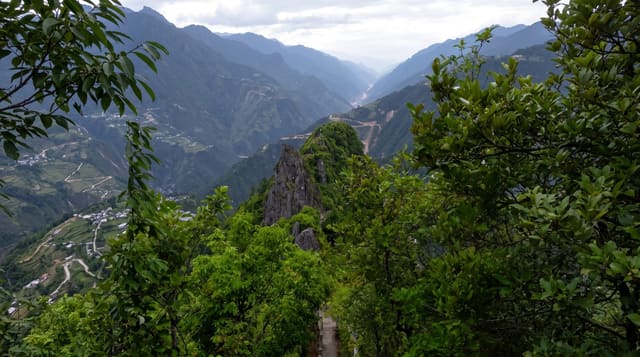
- The tropical forest - gibbons, hornbills and dense understorey.
When to go
November to April, the dry season, when elephants use the valley more predictably and trails are passable; the summer monsoon brings heavy rain. Early morning and late afternoon are the likeliest hours.
Things to know
Wild elephants are not seen on most visits, and visitors expecting a guaranteed encounter are disappointed. Elephants here are genuinely wild and dangerous, so distances are enforced. Entry plus cable car is expensive.
Nearby
Jinghong lies south; Menglun botanical garden is southeast.
What to pack for Wild Elephant Valley
Chosen from what this place is for. Tap a kit for the full checklist.
- Broken-in walking shoes or boots - Grip and ankle support matter more than looks; never hike in brand-new boots. Find on Amazon
- Strong insect repellent - DEET or picaridin; the jungle is where bites and disease risk are highest. Find on Amazon
- Layers + a waterproof shell - Mountain weather turns fast; a packable rain jacket saves the day. Find on Amazon
- Long, light, quick-dry clothing - Covers skin from insects and sun without cooking you in the humidity. Find on Amazon
Some links on this page are Amazon affiliate links - if you buy through them we may earn a small commission at no extra cost to you.
All packing kitsPlan your trip
Where to start if Wild Elephant Valley is going on the list.
Booking links on this page are affiliate links - if you book through them we may earn a small commission at no extra cost to you. It never changes what we write about a place.
Opening times, ticket prices and seasonal closures change - check the official source before you go: official site.