Shaxi Ancient Town
The last surviving market square of the tea horse road, with its theatre stage, inn and caravan gate intact.
Updated 4 September 2026
AI illustration
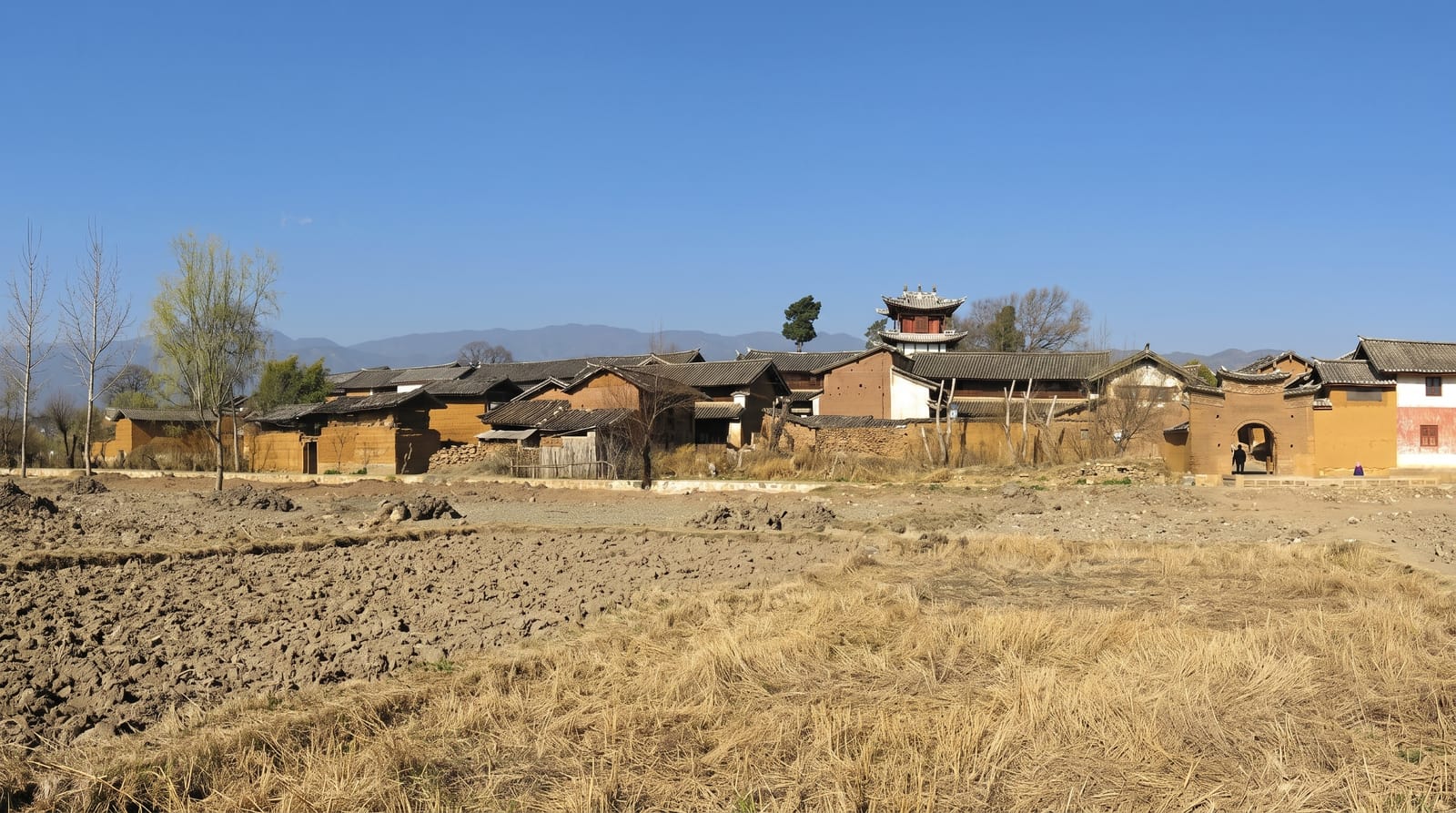
Caravans carrying tea from Yunnan to Tibet and horses back stopped at market towns along the route, and Shaxi's Sideng square is the only one that survives more or less complete: a cobbled space with a Buddhist temple on one side, a two-storey theatre stage opposite, old caravan inns with courtyards and stables, and gates onto the lanes. A restoration project run with Swiss support from 2001 stabilised the buildings rather than rebuilding them, which is why the town looks worn rather than new. Friday market brings villagers in from the valley, and Shibaoshan nearby holds Nanzhao-era Buddhist grottoes.
Highlights
- Sideng square - the surviving tea-horse market with stage and temple.
- The caravan inns - courtyard buildings with stables off the square.
- The Friday market - villagers trading in the town.
- Shibaoshan grottoes - Nanzhao Buddhist carvings in the hills nearby.
When to go
March to June and September to November for mild dry weather; the Friday market is the busiest day. Winter is cold at night. Summer brings rain but the valley is green.
Before you go
Guesthouses and cafés have multiplied and the town is no longer undiscovered. Transport in requires a change at Jianchuan. Nights are cold and heating limited outside summer.
Nearby
Dali lies southeast; Lijiang is north.
What to pack for Shaxi Ancient Town
Chosen from what this place is for. Tap a kit for the full checklist.
- Head torch + spare batteries - Hands-free light is essential; caves are truly dark. Find on Amazon
- Comfortable walking shoes - Sightseeing means kilometres of pavement and cobbles daily. Find on Amazon
- Modest clothing - Shoulders and knees covered - the single most common requirement. Find on Amazon
- Grippy closed shoes - Cave floors are wet, muddy and slick with formations. Find on Amazon
Some links on this page are Amazon affiliate links - if you buy through them we may earn a small commission at no extra cost to you.
All packing kitsPlan your trip
Where to start if Shaxi Ancient Town is going on the list.
Booking links on this page are affiliate links - if you book through them we may earn a small commission at no extra cost to you. It never changes what we write about a place.
Opening times, ticket prices and seasonal closures change - check the official source before you go: official site.