Jingmai Mountain
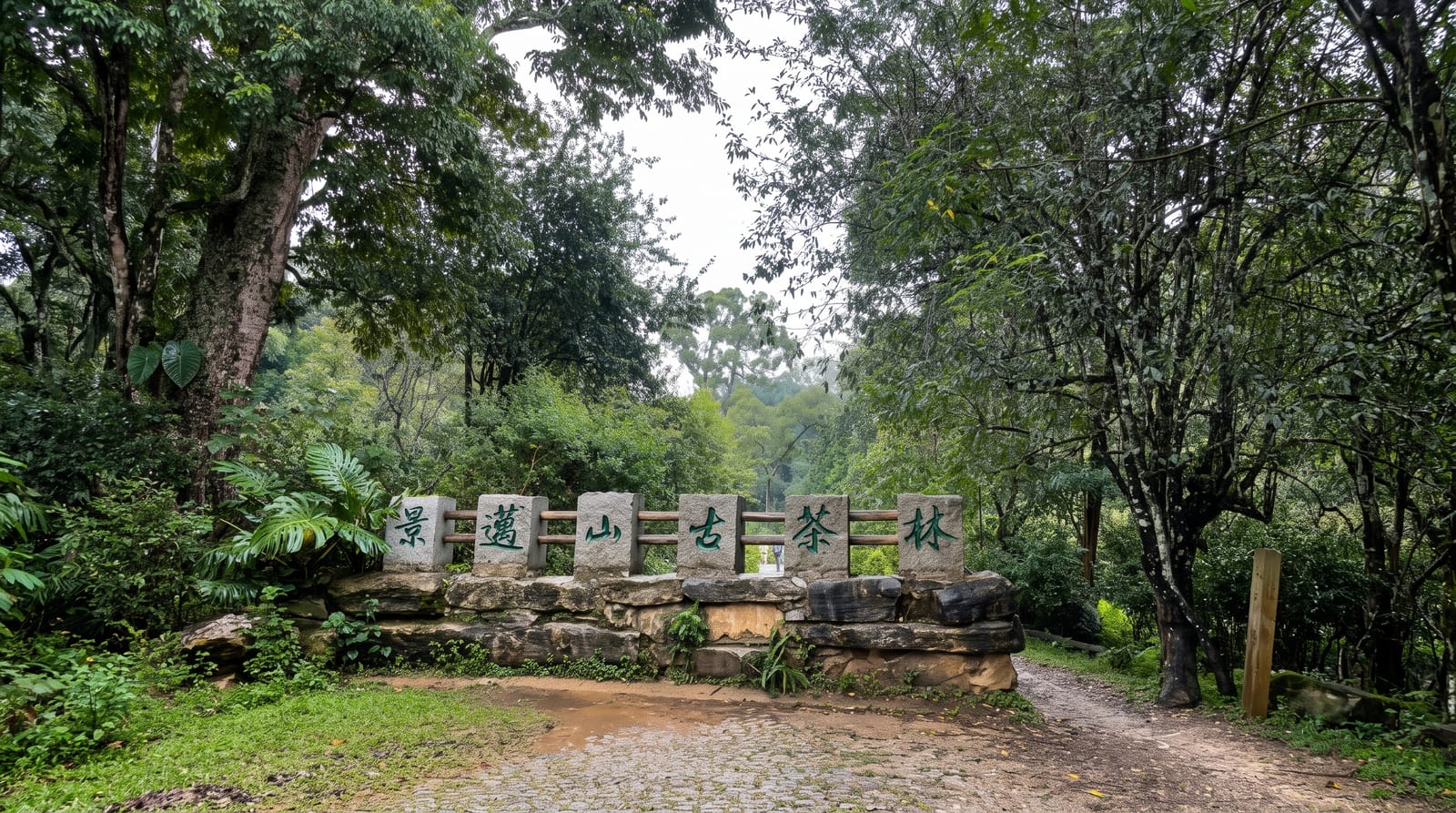
Tea grown under forest canopy for a thousand years, the first tea cultural landscape on the UNESCO list.
Updated 14 October 2026
AI illustration
UNESCO World Heritage
The Blang and Dai communities on Jingmai grow tea in a way that predates plantations: old tea trees are left standing within the forest, shaded by taller species, with the understorey managed rather than cleared, an arrangement that has been worked for around a thousand years and that suppresses pests without chemicals. UNESCO inscribed the Jingmai old tea forests in 2023 as the first tea cultural landscape on the list. Villages of timber houses sit among the groves with tea processing going on in courtyards, spirit forests are left untouched by custom, and the mountain produces sought-after pu'er.
What's there
- The forest tea groves - old tea trees growing under a taller canopy.
- The Blang and Dai villages - timber settlements among the groves.
- The tea processing - picking, withering and pressing in courtyards.
- The spirit forests - patches left uncut by local custom.
When to go
October to April for dry weather; spring picking from March to April is the main harvest and the busiest season in the villages. The summer monsoon brings heavy rain and difficult roads.
Before you go
Roads up the mountain are rough and transport limited without a car. Facilities are village guesthouses. Since the UNESCO listing, visitor infrastructure has been expanding quickly.
Nearby
Pu'er lies northeast; Xishuangbanna is southeast.
What to pack for Jingmai Mountain
Chosen from what this place is for. Tap a kit for the full checklist.
- Strong insect repellent - DEET or picaridin; the jungle is where bites and disease risk are highest. Find on Amazon
- Comfortable walking shoes - Sightseeing means kilometres of pavement and cobbles daily. Find on Amazon
- Long, light, quick-dry clothing - Covers skin from insects and sun without cooking you in the humidity. Find on Amazon
- A slim anti-theft daypack - Zips that close properly; keep it in front in crowds and on transit. Find on Amazon
Some links on this page are Amazon affiliate links - if you buy through them we may earn a small commission at no extra cost to you.
All packing kitsPlan your trip
Where to start if Jingmai Mountain is going on the list.
Booking links on this page are affiliate links - if you book through them we may earn a small commission at no extra cost to you. It never changes what we write about a place.
Opening times, ticket prices and seasonal closures change - check the official source before you go: official site.


