Kaifeng
The Northern Song capital, buried under Yellow River silt and rebuilt above itself, with night markets and pagodas.
Updated 19 October 2026
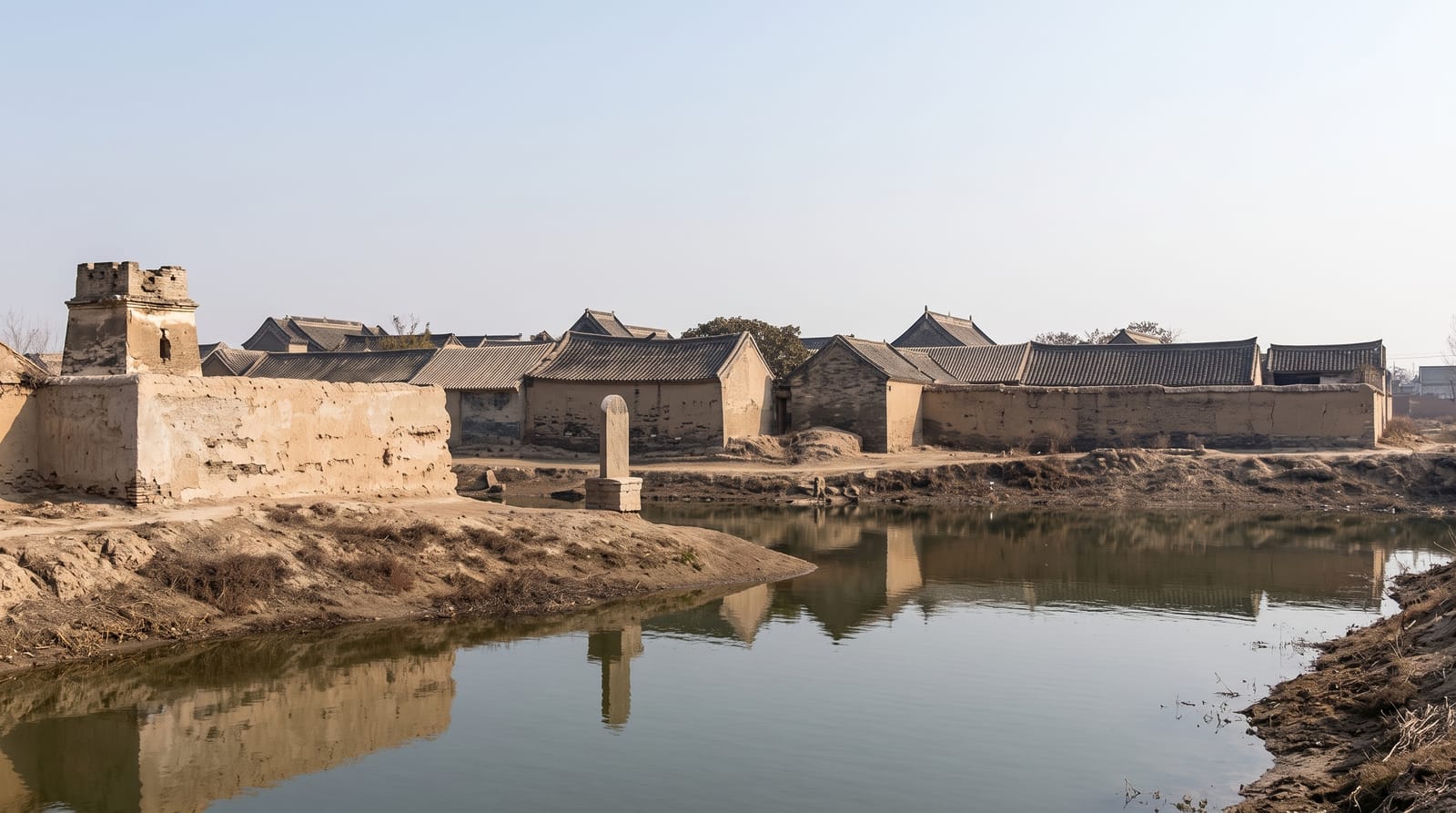
AI illustration
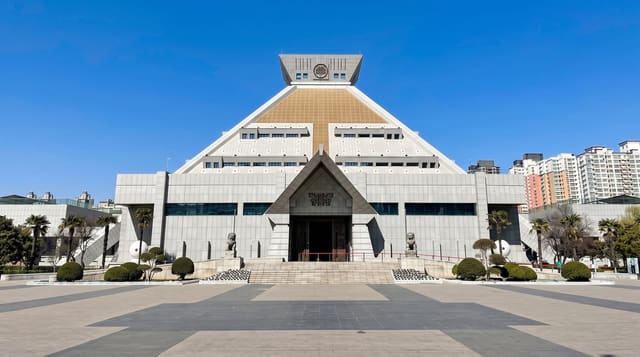
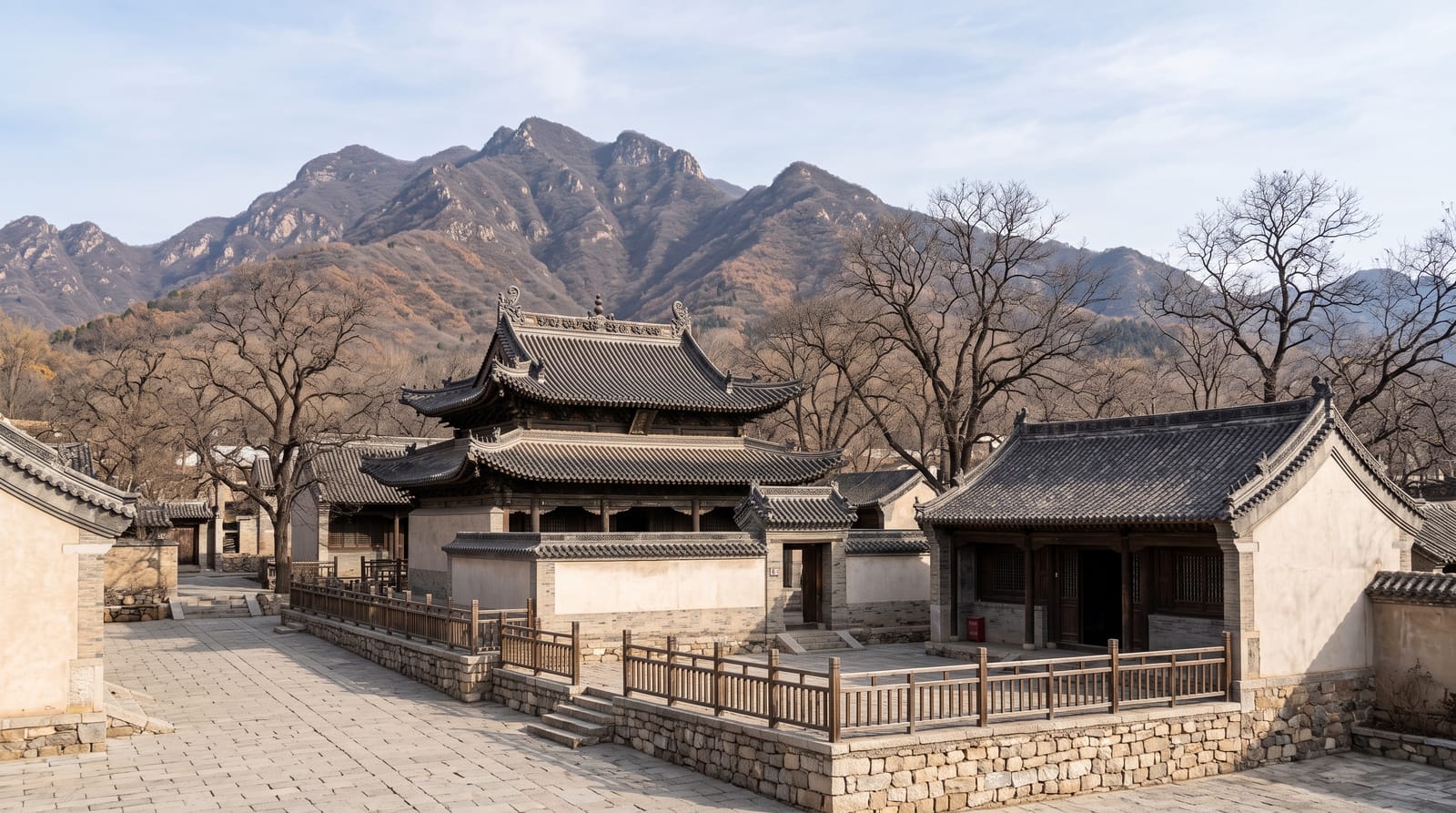
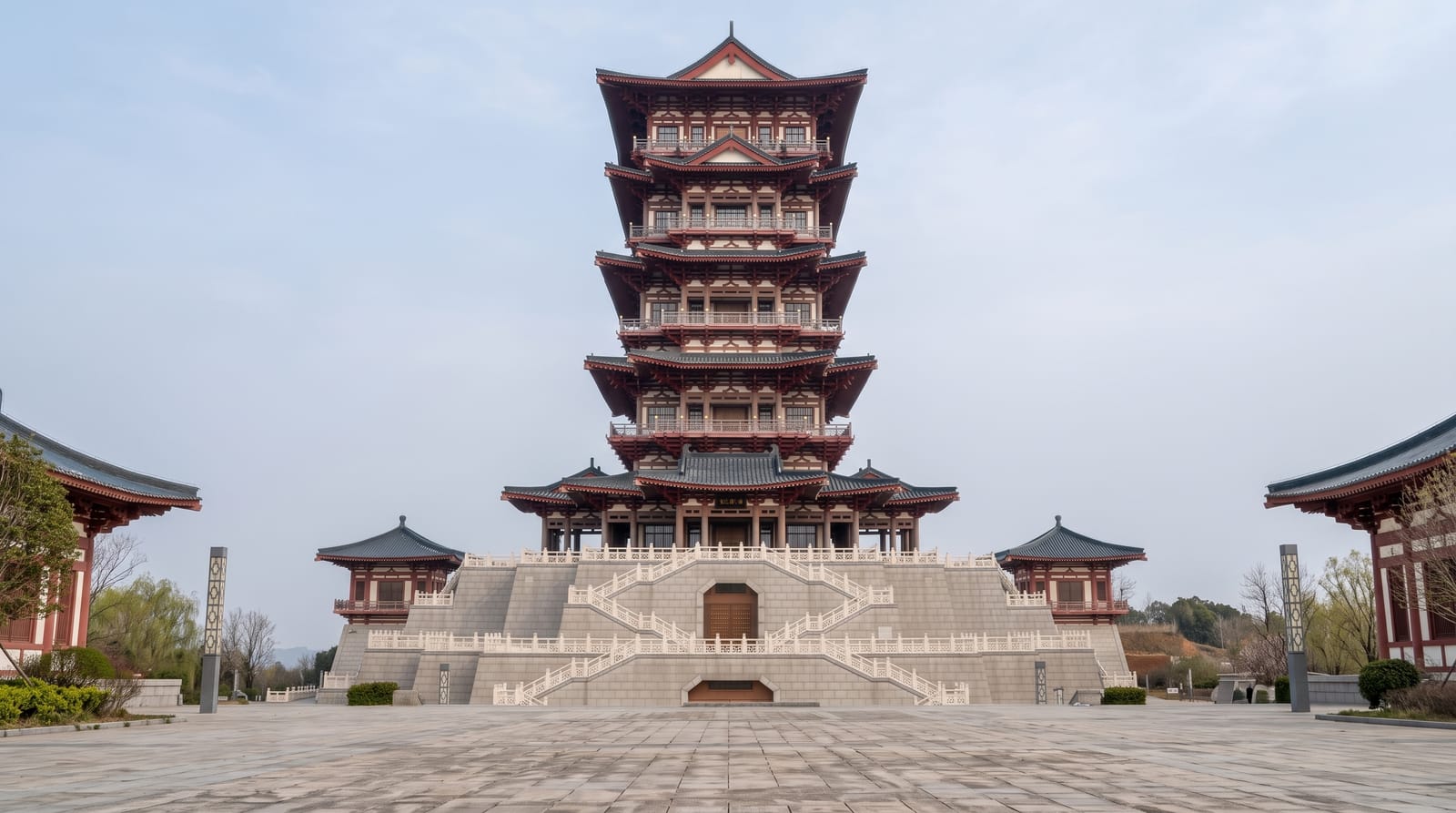
Kaifeng was the capital of the Northern Song and, in the eleventh century, probably the largest city in the world, a commercial centre depicted in the scroll Along the River During the Qingming Festival. The Yellow River destroyed it repeatedly, flooding and burying the city under silt so that the Song levels lie many metres below the modern streets, with successive cities stacked one above another. What survives above ground is later: the Iron Pagoda of 1049, the Fan Pagoda of 977, the Xiangguo Temple, and the Longting complex. The night market on Gulou Square, selling Kaifeng snacks including soup dumplings and almond tea, is the liveliest part of the city.
History
In the Spring and Autumn period two towns stood near today's city, Yi and Qifeng, and in 361 BC King Hui of Wei moved his capital to Yi and built the city of Daliang; under the Han, Emperor Jing changed the name Qifeng to Kaifeng because of a naming taboo. In 202 Cao Cao repaired the Suiyang Canal here, opening a waterway to the Yangtze and Huai, the Daxiangguo Temple was built in 555, and early in the 7th century the city, then called Bianzhou, became a great trading hub when it was joined to the Grand Canal; in 781 its governor Li Mian built a new wall 22 li round (Wikipedia, Kaifeng).
What to look for
- The stacked city - Song levels buried metres below the modern streets.
- The night market - Gulou Square filling with food stalls after dark.
- The Song-era pagodas - the Iron and Fan pagodas surviving above the silt.
- Xiangguo Temple - the reconstructed imperial temple in the centre.
When to go
April to May and September to November; the night market runs year-round but is best in mild weather. Summer is hot and humid. Chrysanthemum displays fill the city in October and November.
Things to know
Much of the visible heritage is Ming, Qing or modern reconstruction, since the Song city is underground and cannot be excavated under the modern one. Several themed parks recreate Song scenes commercially. Air quality in Henan is often poor.
Nearby
Zhengzhou lies west; the Yellow River runs north of the city.
Key facts
Source: Wikidata, item Q208471, read on 18 October 2026.
What to pack for Kaifeng
Chosen from what this place is for. Tap a kit for the full checklist.
- Head torch + spare batteries - Hands-free light is essential; caves are truly dark. Find on Amazon
- Strong insect repellent - DEET or picaridin; the jungle is where bites and disease risk are highest. Find on Amazon
- Comfortable walking shoes - Sightseeing means kilometres of pavement and cobbles daily. Find on Amazon
- Modest clothing - Shoulders and knees covered - the single most common requirement. Find on Amazon
Some links on this page are Amazon affiliate links - if you buy through them we may earn a small commission at no extra cost to you.
All packing kitsPlan your trip
Where to start if Kaifeng is going on the list.
Booking links on this page are affiliate links - if you book through them we may earn a small commission at no extra cost to you. It never changes what we write about a place.
Opening times, ticket prices and seasonal closures change - check the official source before you go: official site.