Jinsha Site Museum
A Bronze Age site found by accident in 2001, whose gold sun-bird disc became the emblem of Chinese heritage.
Updated 12 October 2026
AI illustration
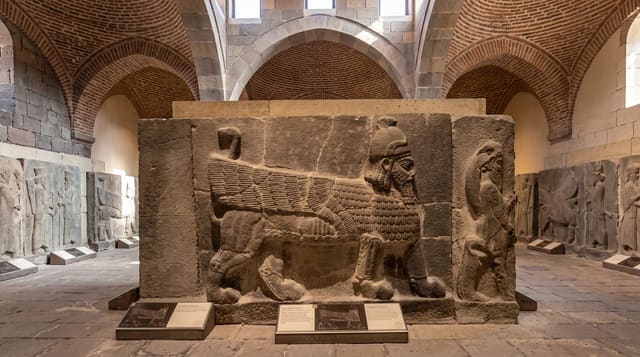
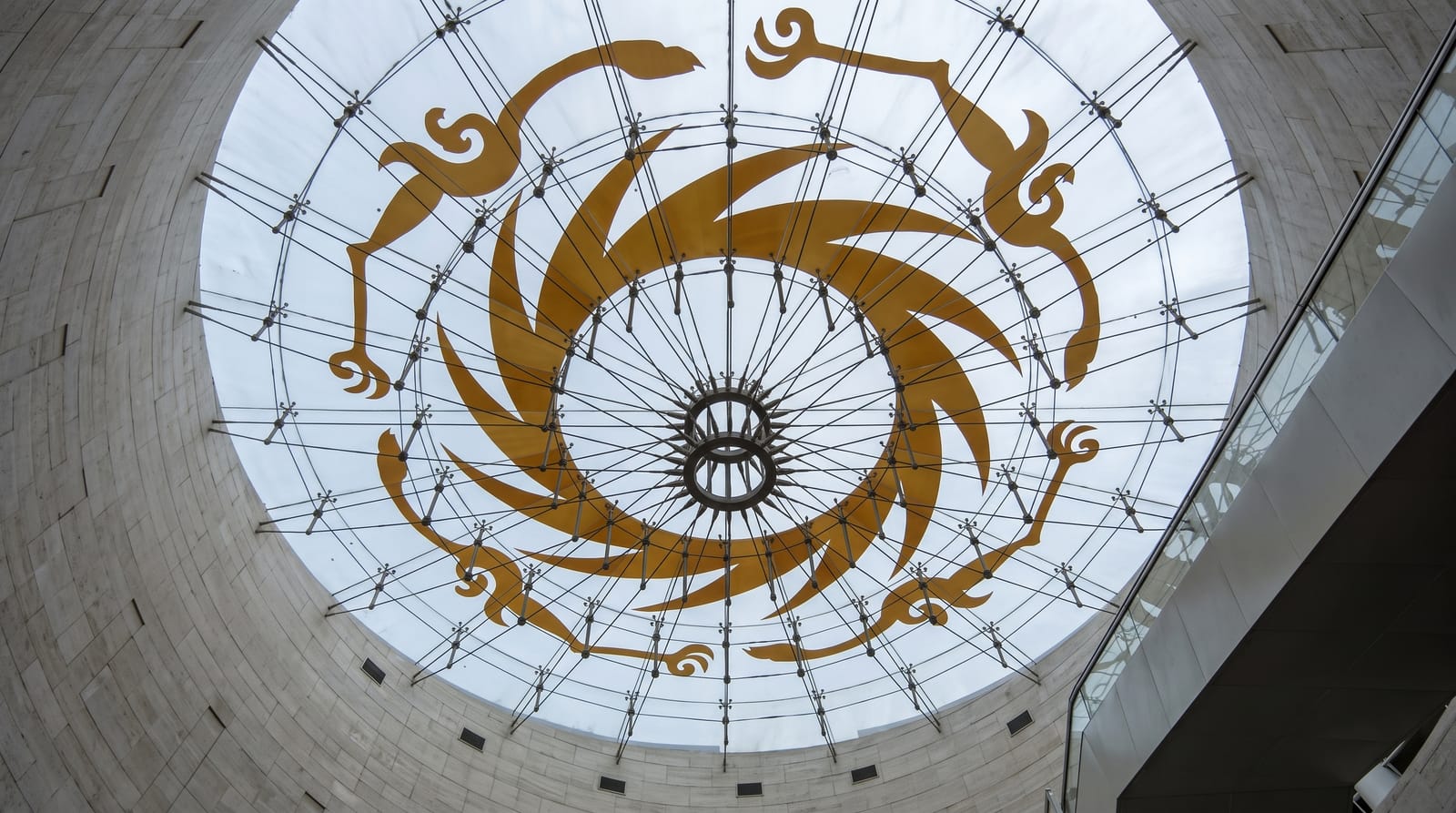
Construction work in western Chengdu in 2001 cut into a site of the ancient Shu state, occupied around three thousand years ago and clearly connected to Sanxingdui to the north: ivory in quantity, jade, bronze and gold, apparently deposited as offerings. The best-known object is a disc of gold foil less than a millimetre thick, cut with four birds circling a rayed sun, which was adopted as the national emblem of Chinese cultural heritage. The museum is built over the excavation itself, so the sacrificial pit is walked around under a roof with the deposits in place, alongside galleries of the recovered objects.
Highlights
- The gold sun bird - the foil disc of four birds around a rayed sun.
- The excavation hall - the sacrificial area preserved in place under cover.
- The ivory deposits - elephant tusks laid in quantity in the pits.
- The jade and bronze - ancient Shu objects with Sanxingdui parallels.
When to go
Year-round; the museum closes on Mondays. Chengdu is mild but wet, and the site is largely indoors. Weekends and school holidays are busiest.
Before you go
The excavation hall is a dim earth surface that needs the interpretation to make sense. The famous gold disc is small, a few centimetres across. English labelling is partial.
Nearby
Chengdu's centre lies east; Sanxingdui is north near Guanghan.
What to pack for Jinsha Site Museum
Chosen from what this place is for. Tap a kit for the full checklist.
- Comfortable walking shoes - Sightseeing means kilometres of pavement and cobbles daily. Find on Amazon
- A slim anti-theft daypack - Zips that close properly; keep it in front in crowds and on transit. Find on Amazon
- A refillable water bottle - Many cities have public fountains; save money and plastic. Find on Amazon
- A light layer + compact umbrella - For museum air-con and a sudden shower. Find on Amazon
Some links on this page are Amazon affiliate links - if you buy through them we may earn a small commission at no extra cost to you.
All packing kitsPlan your trip
Where to start if Jinsha Site Museum is going on the list.
Booking links on this page are affiliate links - if you book through them we may earn a small commission at no extra cost to you. It never changes what we write about a place.
Opening times, ticket prices and seasonal closures change - check the official source before you go: official site.