Hoh Xil
A vast uninhabited plateau above 4,500 metres, calving ground of the Tibetan antelope.
Updated 14 October 2026
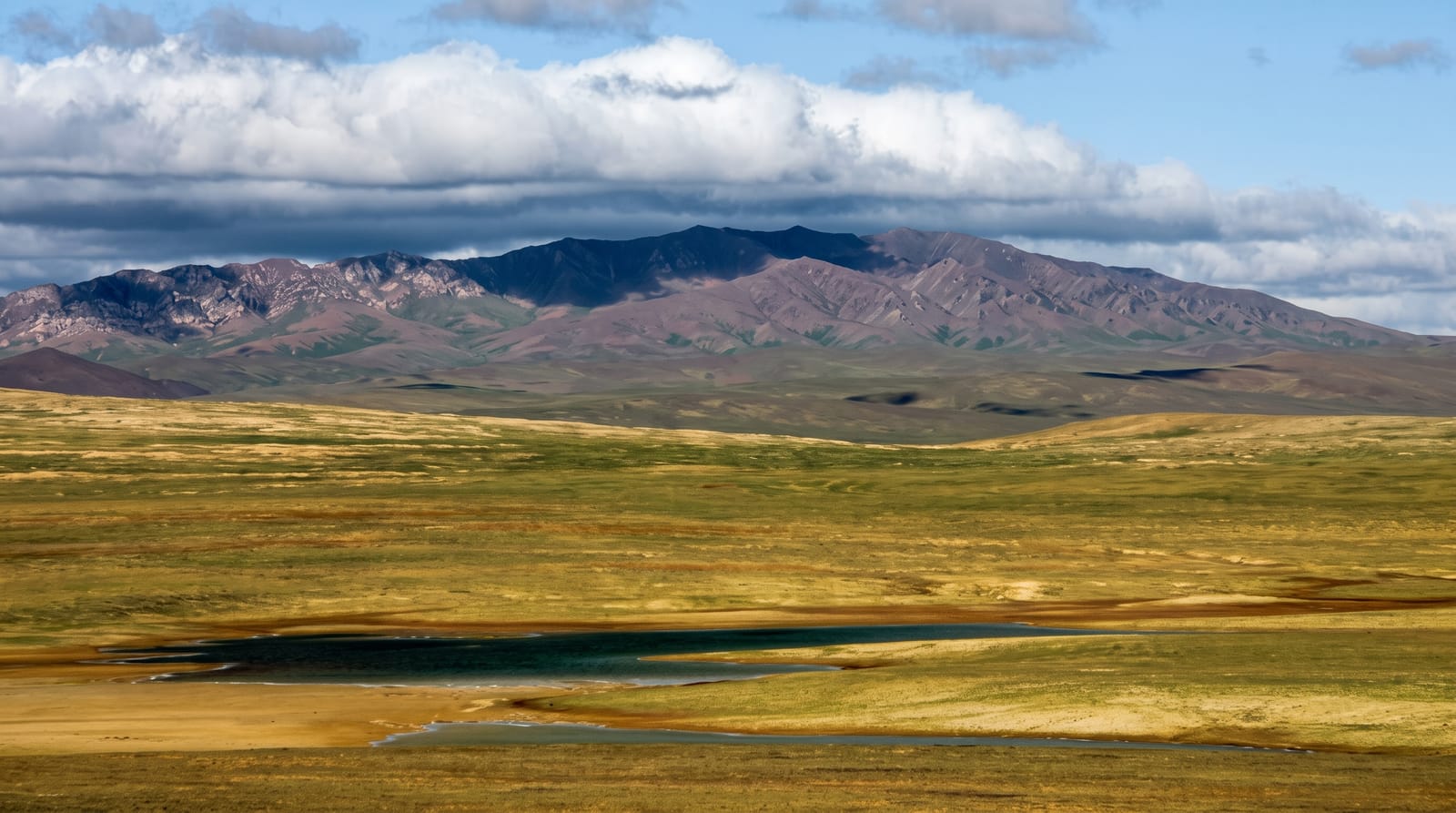
AI illustration
UNESCO World Heritage
Hoh Xil, Kekexili in Chinese, covers around forty-five thousand square kilometres of plateau above 4,500 metres, effectively without permanent human settlement, and it was inscribed by UNESCO in 2017 as the largest and highest plateau ecosystem of its kind. It is the main calving ground of the Tibetan antelope, which migrate here in summer in tens of thousands, and it holds wild yak, kiang, wolves and brown bears. Poaching for antelope wool devastated the population in the 1980s and 1990s before patrols and protection turned it around. The core is closed; the highway and railway along the eastern edge are where it is seen.
Highlights
- The Tibetan antelope - herds visible from the road and railway in summer.
- The empty plateau - grassland and lakes running to the horizon unpeopled.
- The wild yak and kiang - large mammals on the open ground.
- The Kunlun pass - the high crossing on the road at over 4,700 metres.
When to go
June to September, when antelope migrate to the calving grounds and the passes are clear; winter is extreme. Sightings from the road and train are a matter of luck at any time.
What to expect
The reserve core is closed to visitors and entering without authorisation is prohibited and dangerous. Viewing is from the highway or train at distance. Altitude above 4,500 metres is a serious hazard.
Nearby
Golmud lies north; the Qinghai-Tibet railway crosses the reserve edge.
Key facts
Source: Wikidata, item Q1790760, read on 18 October 2026.
What to pack for Hoh Xil
Chosen from what this place is for. Tap a kit for the full checklist.
- Broken-in walking shoes or boots - Grip and ankle support matter more than looks; never hike in brand-new boots. Find on Amazon
- Layers for big temperature swings - Warm sun by day, near-freezing at night, even near the equator. Find on Amazon
- Layers + a waterproof shell - Mountain weather turns fast; a packable rain jacket saves the day. Find on Amazon
- Extra-strong sun protection - Thin air means fierce UV; hat, sunglasses and high-SPF sunscreen. Find on Amazon
Some links on this page are Amazon affiliate links - if you buy through them we may earn a small commission at no extra cost to you.
All packing kitsPlan your trip
Where to start if Hoh Xil is going on the list.
Booking links on this page are affiliate links - if you book through them we may earn a small commission at no extra cost to you. It never changes what we write about a place.
Opening times, ticket prices and seasonal closures change - check the official source before you go: official site.