Quillagua
Recorded as the driest inhabited place on earth, and left with a river too polluted to farm with.
Updated 30 August 2026
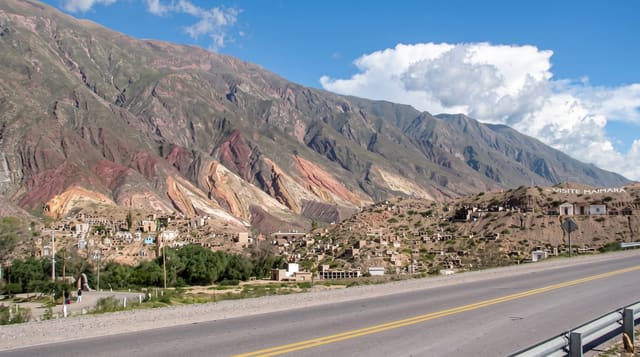
Quillagua sits in the Loa valley and has been recorded in meteorological literature as the driest inhabited place on earth, with mean annual rainfall effectively zero over long periods. It survived because the Loa, the only river that crosses the Atacama to the sea, ran through it and supported alfalfa and melons. What ended that was upstream use: mining and nitrate operations drew water off and returned contaminated flow, and after pollution events in the late 1990s the river water became unusable for irrigation. The population fell from several hundred to a fraction of that, and the case is cited in Chilean water law debates.
What you'll find
- The driest inhabited place recorded - effectively no rainfall.
- The Loa river through it - the only river crossing the desert to the sea.
- Farming ended by upstream use - abstraction and contamination.
- A village that emptied - and a case study in Chilean water disputes.
When to go
Year round. Two hours.
Things to know
There is almost nothing here for a visitor - no services, no attraction, and a village that has largely emptied. It is a place to understand rather than to look at. Geoglyphs on the surrounding hills are the only sight as such.
Nearby
Maria Elena is south; Iquique and the coast are north-west.
Key facts
Source: Wikidata, item Q7271989, read on 18 October 2026.
What to pack for Quillagua
Chosen from what this place is for. Tap a kit for the full checklist.
- Loose, light, long clothing - Covering up beats bare skin in the desert - and locals dress this way for a reason. Find on Amazon
- Comfortable walking shoes - Sightseeing means kilometres of pavement and cobbles daily. Find on Amazon
- A wide-brim hat + sunglasses - Shade for your face and eyes where there is none overhead. Find on Amazon
- A slim anti-theft daypack - Zips that close properly; keep it in front in crowds and on transit. Find on Amazon
Some links on this page are Amazon affiliate links - if you buy through them we may earn a small commission at no extra cost to you.
All packing kitsPlan your trip
Where to start if Quillagua is going on the list.
Booking links on this page are affiliate links - if you book through them we may earn a small commission at no extra cost to you. It never changes what we write about a place.
Opening times, ticket prices and seasonal closures change - check the official source before you go: official site.