Puerto Varas
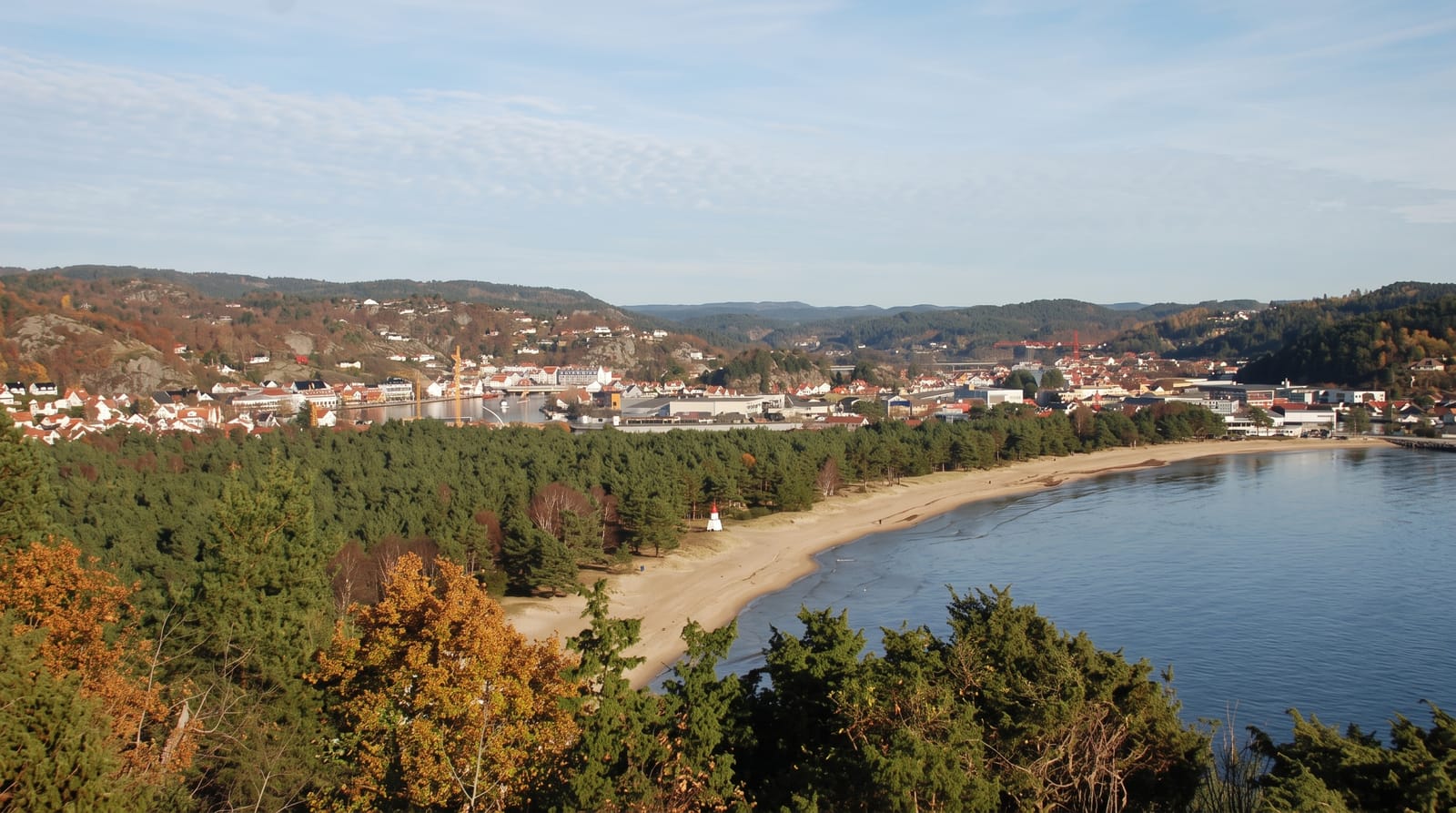
A German colonist town on Lake Llanquihue, with two volcanoes across the water and a church built to German plans.
Updated 21 October 2026
Puerto Varas was settled from the 1850s under the Chilean government's programme of bringing German families to colonise the lake district, and the timber houses with their shingled walls and steep roofs date from that period and after. The Sacred Heart church, built from 1915 to 1918 in native timber, follows the plans of churches in Baden-Wurttemberg, and the resemblance to southern Germany is deliberate. The town sits on the southern shore of Lake Llanquihue looking across at Osorno and Calbuco, and it functions as the base for the whole area - Petrohue, the volcanoes, rafting on the Petrohue river and the Cruce Andino all leave from here.
History
The government created the Llanquihue Lake Colonization Territory on 27 June 1853, during the presidency of Manuel Montt, and by the end of that year the first 212 German families had arrived, from Hesse, Silesia, Westphalia, Saxony, Bavaria and other regions; they settled first at La Fábrica, where the road from Puerto Montt met the lake, and the town was named after Antonio Varas, then Minister of the Interior. A Catholic church opened near the square in 1872, Sudeten German settlers from Braunau in Bohemia founded Nueva Braunau on 15 August 1875, the German Club followed in October 1885, and Puerto Varas became a town in 1897 (Wikipedia, Puerto Varas).
What to look for
- German colonist timber houses - shingled, from the 1850s onward.
- A church on German plans - the Sacred Heart, built 1915-1918.
- Osorno and Calbuco across the lake - the town's outlook.
- The base for the lake district - most trips leave from here.
When to go
December to March; the town is quiet and wet in winter. A full day.
What to expect
Rain is frequent and the volcanoes are often invisible. The town is expensive by Chilean standards and busy in January and February. The colonisation history is presented positively; its effect on Mapuche and Huilliche land is a separate and harder subject.
Nearby
Frutillar is round the lake north; Puerto Montt is south.
Key facts
Source: Wikidata, item Q51596, read on 18 October 2026.
What to pack for Puerto Varas
Chosen from what this place is for. Tap a kit for the full checklist.
- Quick-dry clothing - Board shorts or synthetics that shrug off spray and dry fast. Find on Amazon
- Comfortable walking shoes - Sightseeing means kilometres of pavement and cobbles daily. Find on Amazon
- Modest clothing - Shoulders and knees covered - the single most common requirement. Find on Amazon
- Secure water shoes or reef boots - Grip on slippery launches and protection on rocky shores. Find on Amazon
Some links on this page are Amazon affiliate links - if you buy through them we may earn a small commission at no extra cost to you.
All packing kitsPlan your trip
Where to start if Puerto Varas is going on the list.
Booking links on this page are affiliate links - if you book through them we may earn a small commission at no extra cost to you. It never changes what we write about a place.
Opening times, ticket prices and seasonal closures change - check the official source before you go: official site.