Churches of Chiloe
Timber churches built by Jesuit missions and local shipwrights, joined with pegs instead of nails.
Updated 14 October 2026
UNESCO World Heritage
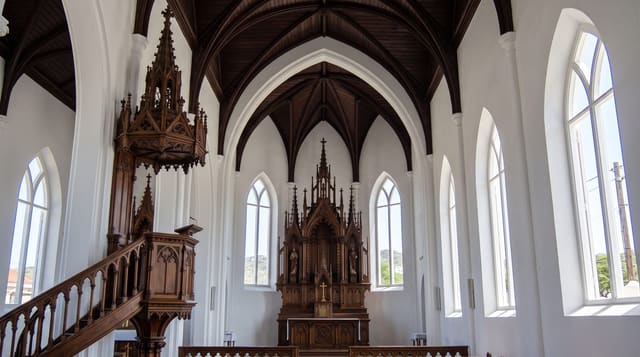
The Jesuits ran a circulating mission across Chiloe from the seventeenth century, visiting the island communities by boat, and the churches built for them were made by local carpenters using the skills of a shipbuilding population: native timber throughout, frames pegged and jointed rather than nailed, hulls of roof structure that read like an upturned boat, and a standard plan of a portico, a tower and a barrel-vaulted nave. Sixteen of them were inscribed by UNESCO in 2000. The oldest surviving, Santa Maria de Loreto at Achao, is generally dated to the 1740s and is built entirely without metal fastenings.
What's there
- Timber churches built by shipwrights - pegged and jointed, not nailed.
- A repeated plan - portico, tower and barrel-vaulted nave.
- Sixteen inscribed in 2000 - spread across the archipelago.
- Achao from the 1740s - the oldest, built without metal.
When to go
December to March, when the roads and ferries are easiest. Several days to see a range.
Things to know
The sixteen are scattered and seeing more than a few takes days and ferries. Many are locked outside service times and need a keyholder. Several have been under restoration. These are working parish churches, not museums.
Nearby
Castro is the base; Achao, Dalcahue and Chonchi hold inscribed churches.
Key facts
Source: Wikidata, item Q27964, read on 18 October 2026.
What to pack for Churches of Chiloe
Chosen from what this place is for. Tap a kit for the full checklist.
- Comfortable walking shoes - Sightseeing means kilometres of pavement and cobbles daily. Find on Amazon
- Modest clothing - Shoulders and knees covered - the single most common requirement. Find on Amazon
- A slim anti-theft daypack - Zips that close properly; keep it in front in crowds and on transit. Find on Amazon
- A scarf or shawl - To cover the head or shoulders on entry; women especially at mosques. Find on Amazon
Some links on this page are Amazon affiliate links - if you buy through them we may earn a small commission at no extra cost to you.
All packing kitsPlan your trip
Where to start if Churches of Chiloe is going on the list.
Booking links on this page are affiliate links - if you book through them we may earn a small commission at no extra cost to you. It never changes what we write about a place.
Opening times, ticket prices and seasonal closures change - check the official source before you go: official site.