White Pass & Yukon Route
A narrow-gauge railway blasted over a pass in 1900, built in twenty-six months by tens of thousands of men.
Updated 19 October 2026
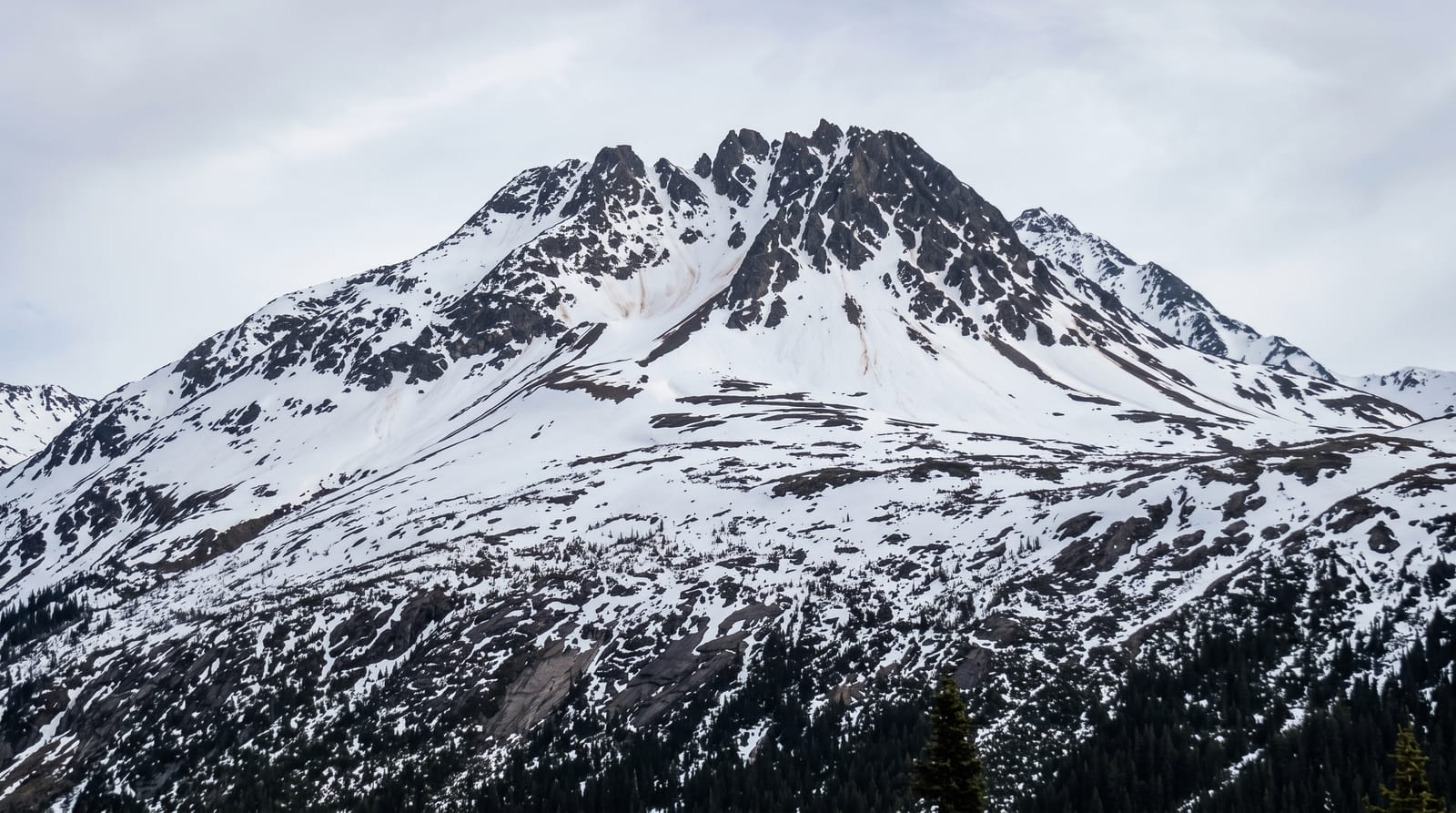
AI illustration
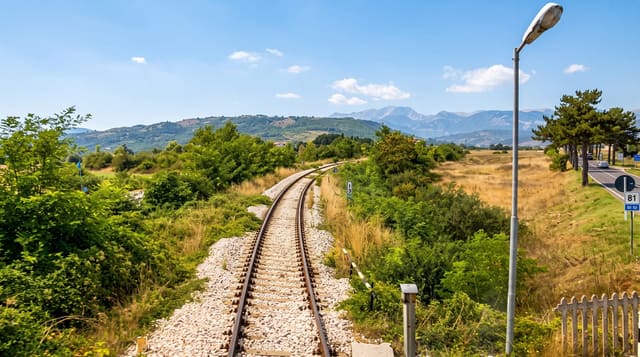
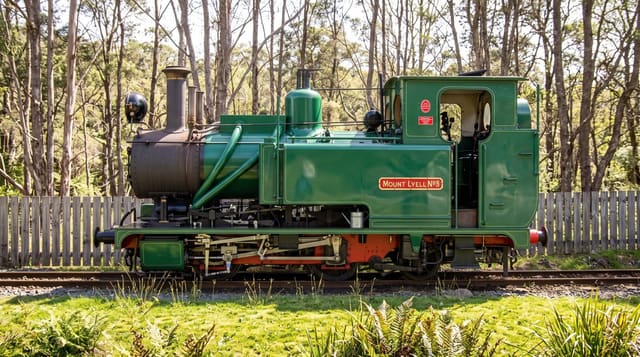
The Klondike stampeders climbing the Chilkoot and White Pass trails on foot in 1897 and 1898 made the case for a railway, and construction began in 1898: one hundred and ten miles of narrow gauge from Skagway over the pass, blasted through granite with black powder, built in twenty-six months by an estimated thirty-five thousand men over the period, of whom thirty-five died. It climbs about eight hundred and seventy metres in the first thirty-two kilometres. Ore traffic ended in 1982 and the line reopened for passengers in 1988. It is designated an International Historic Civil Engineering Landmark alongside the Panama Canal and the Eiffel Tower.
History
The Klondike stampede of 1897 sent prospectors over the White Pass and the Chilkoot Pass, each required to bring about a ton of supplies, and of the 32 railway proposals the government received that year, the line financed by British investors through Close Brothers and built by Michael James Heney was the one that came to be. Construction began in May 1898, the first train in Alaska ran 4 miles out of Skagway on 21 July 1898, the line reached the 2,885-foot summit of the White Pass by mid-February 1899 and Bennett on 6 July 1899, and the last spike was driven on 29 July 1900, with service starting on 1 August (Wikipedia, White Pass and Yukon Route).
Highlights
- The pass climb - 870 metres of gain in the first thirty-two kilometres.
- The blasted cuts - granite worked with black powder in 1898 and 1899.
- The trestles and tunnels - wooden trestles and bores on the mountainside.
- The stampede context - the trails the railway was built to replace.
When to go
May to September; the railway operates seasonally and closes in winter. Trains connect with cruise ships at Skagway, so sailing days are the busiest. Passports are needed for the border.
Before you go
Most departures are from Skagway in Alaska, so a passport and border crossing are involved. Cruise ship days fill the trains. The season is short.
Nearby
Carcross is the Yukon terminus; Skagway is on the Alaskan side.
Key facts
Source: Wikidata, item Q632324, read on 18 October 2026.
What to pack for White Pass & Yukon Route
Chosen from what this place is for. Tap a kit for the full checklist.
- Comfortable walking shoes - Sightseeing means kilometres of pavement and cobbles daily. Find on Amazon
- A slim anti-theft daypack - Zips that close properly; keep it in front in crowds and on transit. Find on Amazon
- A refillable water bottle - Many cities have public fountains; save money and plastic. Find on Amazon
- A light layer + compact umbrella - For museum air-con and a sudden shower. Find on Amazon
Some links on this page are Amazon affiliate links - if you buy through them we may earn a small commission at no extra cost to you.
All packing kitsPlan your trip
Where to start if White Pass & Yukon Route is going on the list.
Booking links on this page are affiliate links - if you book through them we may earn a small commission at no extra cost to you. It never changes what we write about a place.
Opening times, ticket prices and seasonal closures change - check the official source before you go: official site.