Prince Rupert
A rainforest port planned as a rival to Vancouver, whose founder went down with the Titanic.
Updated 4 September 2026
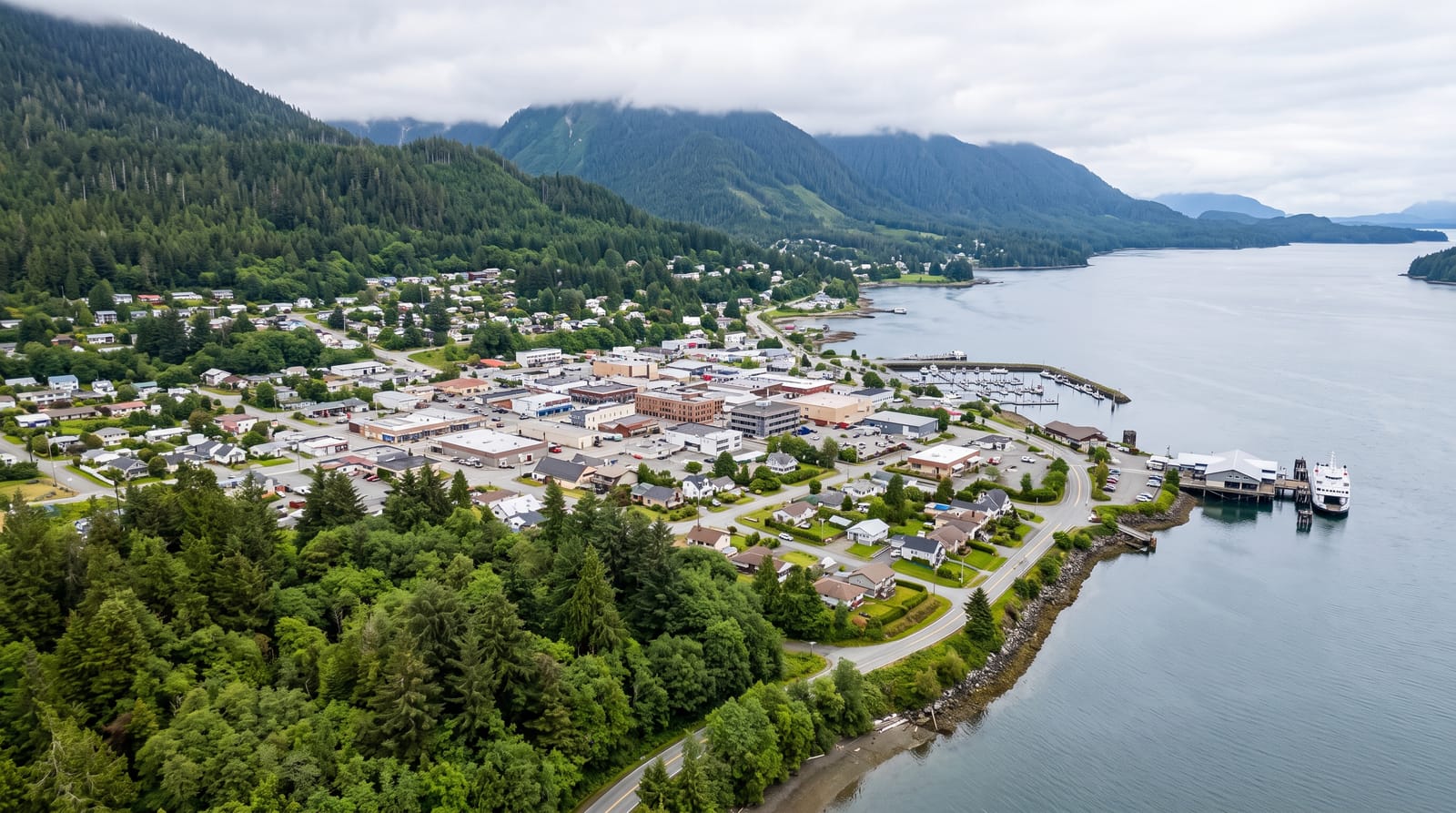
AI illustration
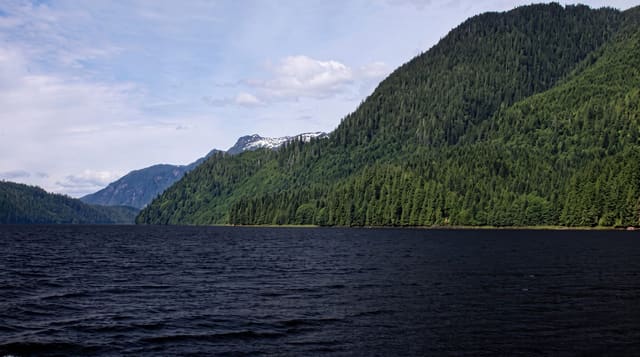
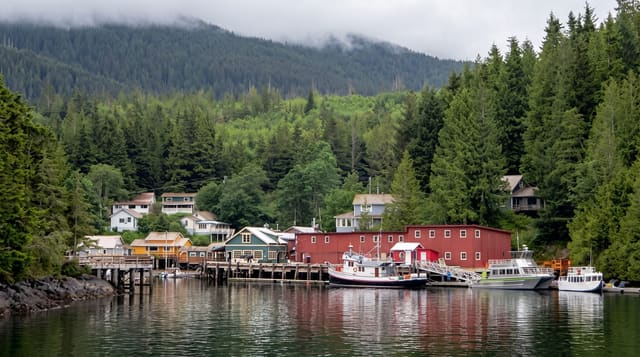
Charles Melville Hays planned Prince Rupert as the Pacific terminus of the Grand Trunk Pacific Railway and expected it to rival Vancouver; he died on the Titanic in 1912 returning from raising money for it, and the city never grew as intended. It rains here about two hundred and forty days a year, among the wettest places in Canada. The North Pacific Cannery at Port Edward, built in 1889, is the oldest intact cannery village on the coast, with boardwalks, bunkhouses and the canning line preserved. The Museum of Northern British Columbia holds Ts'msyen work, and the harbour has one of the highest densities of totem poles in the region.
What to look for
- The North Pacific Cannery - an 1889 cannery village with boardwalks intact.
- The Museum of Northern BC - Ts'msyen art and coastal history in a longhouse-style building.
- The rain - a genuinely wet climate that shapes the place.
- The ferry terminal - sailings to Haida Gwaii, Vancouver Island and Alaska.
When to go
June to September for the least rain and full opening; the cannery closes in winter. Ferries run year-round with reduced winter service. Rain gear is essential in any season.
Before you go
It rains most days, and visitors expecting sun are disappointed. The city is small and industrial. Ferry connections are infrequent and shape any itinerary.
Nearby
The Khutzeymateen lies north; Haida Gwaii is a ferry away.
What to pack for Prince Rupert
Chosen from what this place is for. Tap a kit for the full checklist.
- Strong insect repellent - DEET or picaridin; the jungle is where bites and disease risk are highest. Find on Amazon
- Comfortable walking shoes - Sightseeing means kilometres of pavement and cobbles daily. Find on Amazon
- Long, light, quick-dry clothing - Covers skin from insects and sun without cooking you in the humidity. Find on Amazon
- A slim anti-theft daypack - Zips that close properly; keep it in front in crowds and on transit. Find on Amazon
Some links on this page are Amazon affiliate links - if you buy through them we may earn a small commission at no extra cost to you.
All packing kitsPlan your trip
Where to start if Prince Rupert is going on the list.
Booking links on this page are affiliate links - if you book through them we may earn a small commission at no extra cost to you. It never changes what we write about a place.
Opening times, ticket prices and seasonal closures change - check the official source before you go: official site.