Prince Edward County
An island county of limestone soil that went from canning tomatoes to growing Pinot Noir in one generation.
Updated 19 October 2026
AI illustration
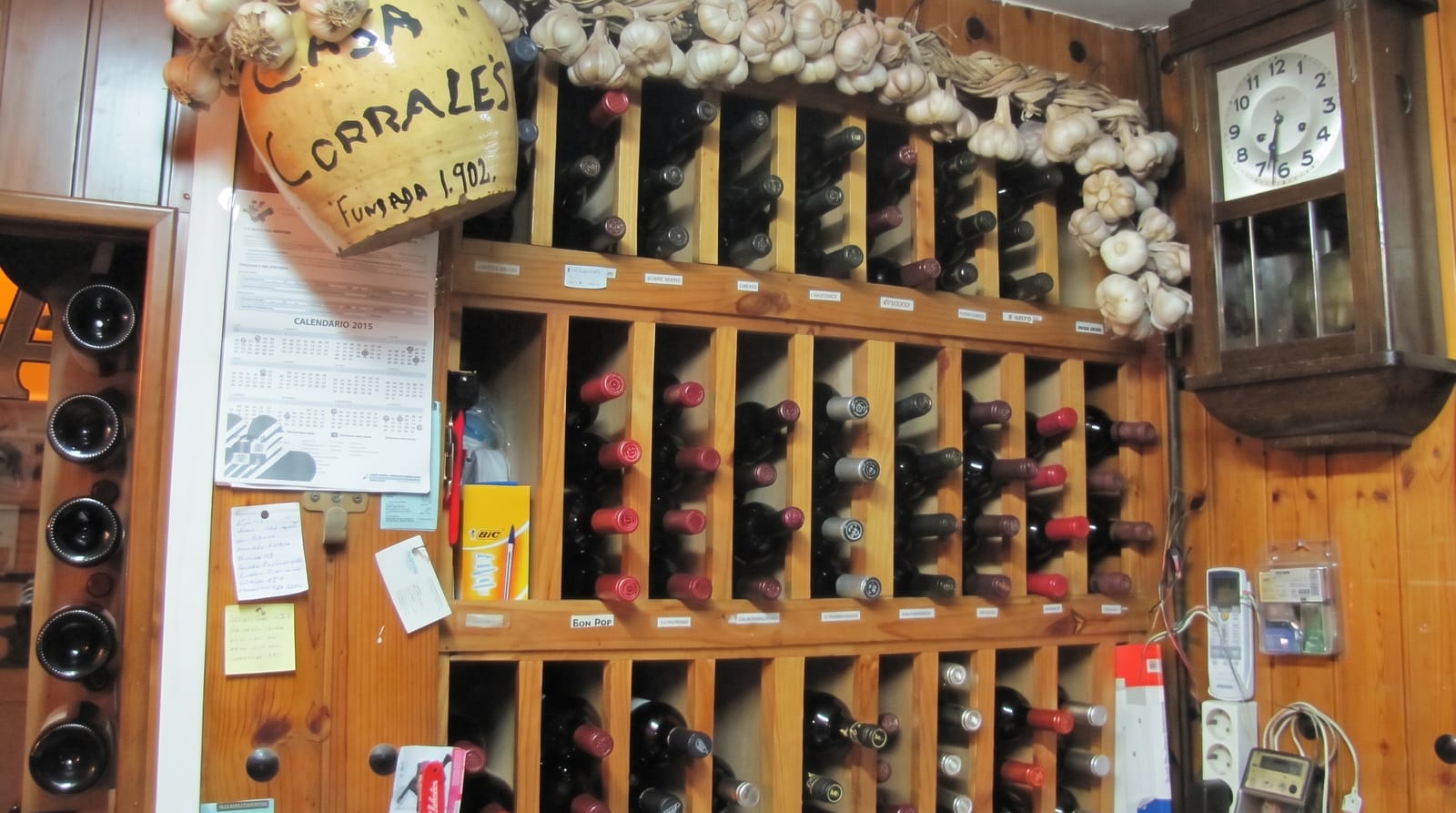
The County is effectively an island in Lake Ontario, joined by bridges, and its shallow soil over limestone bedrock turned out to suit Burgundy varieties; the first commercial vineyards went in around 1999 and there are now around forty wineries making Chardonnay and Pinot Noir, with vines buried under soil each autumn to survive the winter, a labour-intensive practice called hilling. Before wine it was canning country, producing a large share of Canada's tinned tomatoes and peas. Loyalists settled it from 1784. Lavender farms, cider makers and a strong restaurant scene followed the wine, and property prices followed the restaurants.
History
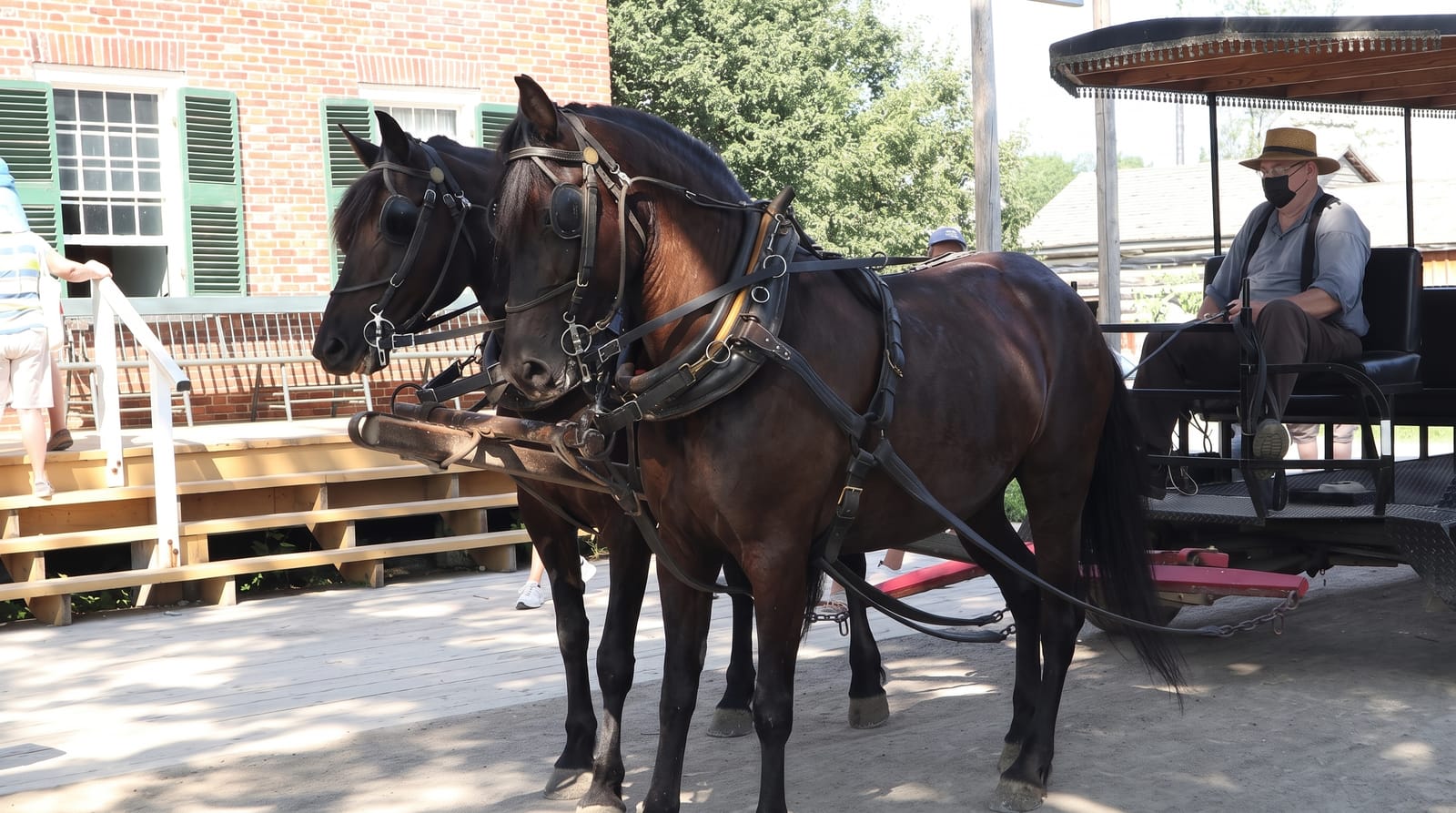
The county holds important archaeological sites, among them the LeVescounte Mounds built by Point Peninsula people about 2000 years ago. Lieutenant-Governor John Graves Simcoe created it on 16 July 1792 and named it after Prince Edward, Duke of Kent; after the American Revolution Loyalists received land grants here, its townships were named after daughters of George III, North Marysburgh being surveyed in 1785 and settled by Loyalist veterans, some of them Hessian-born, and the Murray Canal of 1889 made the peninsula an island in practice (Wikipedia, Prince Edward County, Ontario).
Highlights
- The vineyards - about forty wineries on limestone soil.
- The vine hilling - vines buried each autumn to survive winter cold.
- The lavender farms - fields flowering in July.
- The Loyalist villages - Picton, Bloomfield and Wellington.
When to go
May to October; lavender flowers in July, harvest is September and October. Summer weekends are crowded and accommodation books far ahead. Winter is quiet with many places closed.
What to expect
Many wineries and restaurants close or reduce sharply from November to April. Summer weekend traffic and Sandbanks queues are heavy. Prices have risen steeply.
Nearby
Sandbanks lies within the county; Kingston is east.
What to pack for Prince Edward County
Chosen from what this place is for. Tap a kit for the full checklist.
- Comfortable walking shoes - Sightseeing means kilometres of pavement and cobbles daily. Find on Amazon
- A slim anti-theft daypack - Zips that close properly; keep it in front in crowds and on transit. Find on Amazon
- A refillable water bottle - Many cities have public fountains; save money and plastic. Find on Amazon
- A light layer + compact umbrella - For museum air-con and a sudden shower. Find on Amazon
Some links on this page are Amazon affiliate links - if you buy through them we may earn a small commission at no extra cost to you.
All packing kitsPlan your trip
Where to start if Prince Edward County is going on the list.
Booking links on this page are affiliate links - if you book through them we may earn a small commission at no extra cost to you. It never changes what we write about a place.
Opening times, ticket prices and seasonal closures change - check the official source before you go: official site.