Ribera del Duero Wine Route
A high-altitude Tempranillo region along the Duero, with underground cellars dug beneath the villages.
Updated 4 September 2026
AI illustration
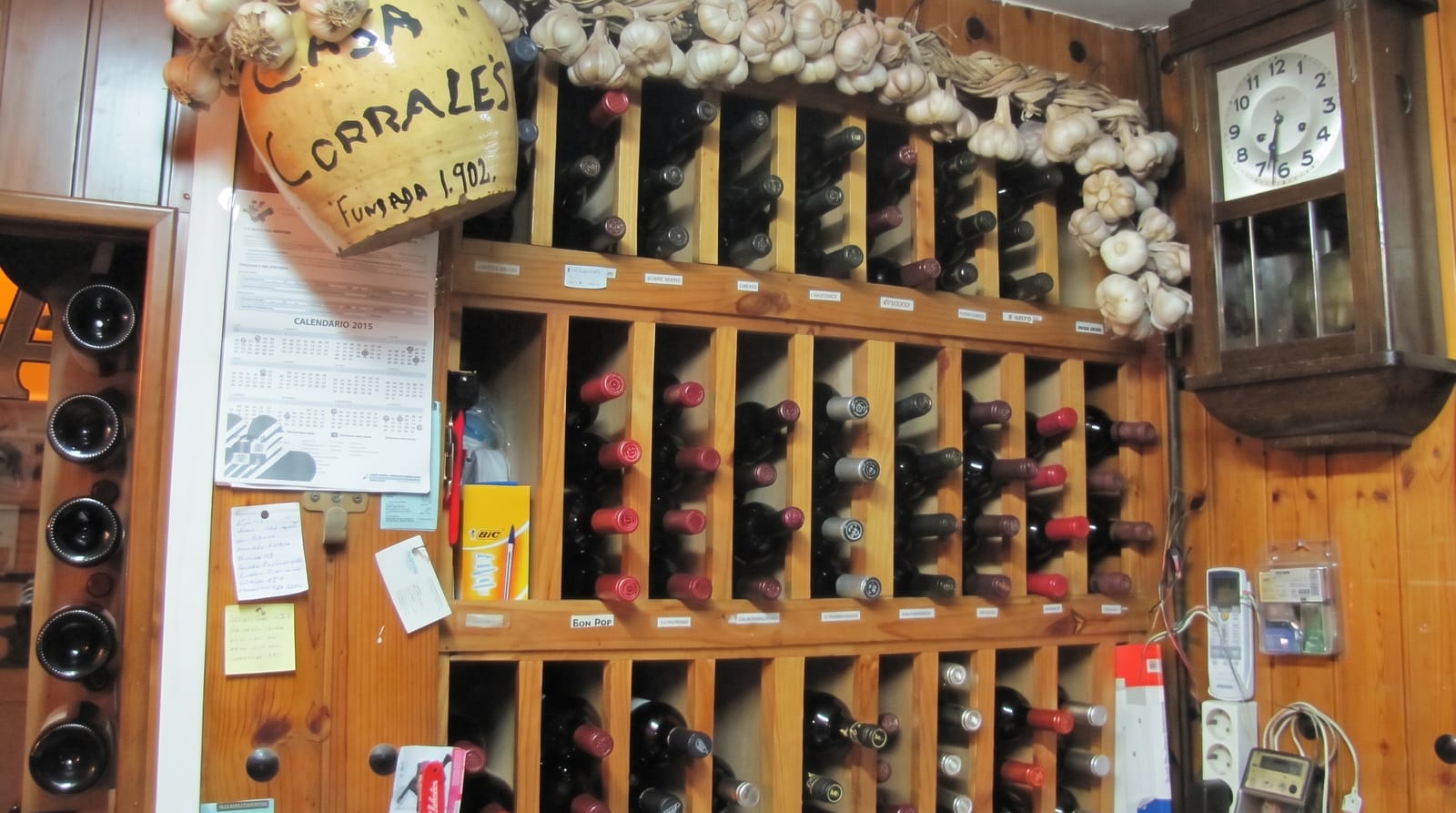
Ribera del Duero received its denomination in 1982, though Vega Sicilia had been making wine here since 1864 and Roman and medieval production preceded it by a long way. The region runs about 115 kilometres along the Duero at altitudes between 750 and 1,000 metres, which gives large day-night temperature swings and concentrated fruit; the wine is almost entirely red from Tempranillo, called Tinto Fino here. Around three hundred wineries operate, from famous estates to small growers, many with modern visitor programmes. Beneath the older villages, particularly Aranda de Duero and Penafiel, run networks of medieval cellars dug into the rock at seven or eight metres, some open to visits.
What's there
- The underground cellars - medieval bodegas dug beneath the villages.
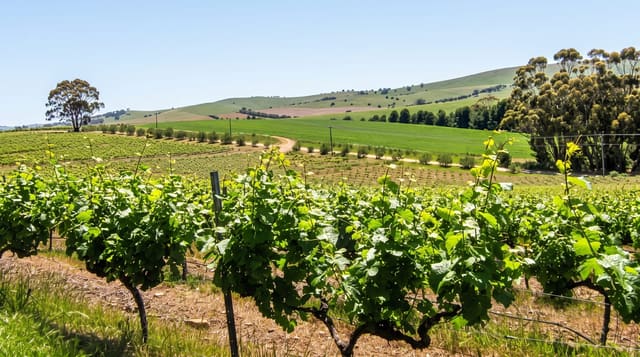
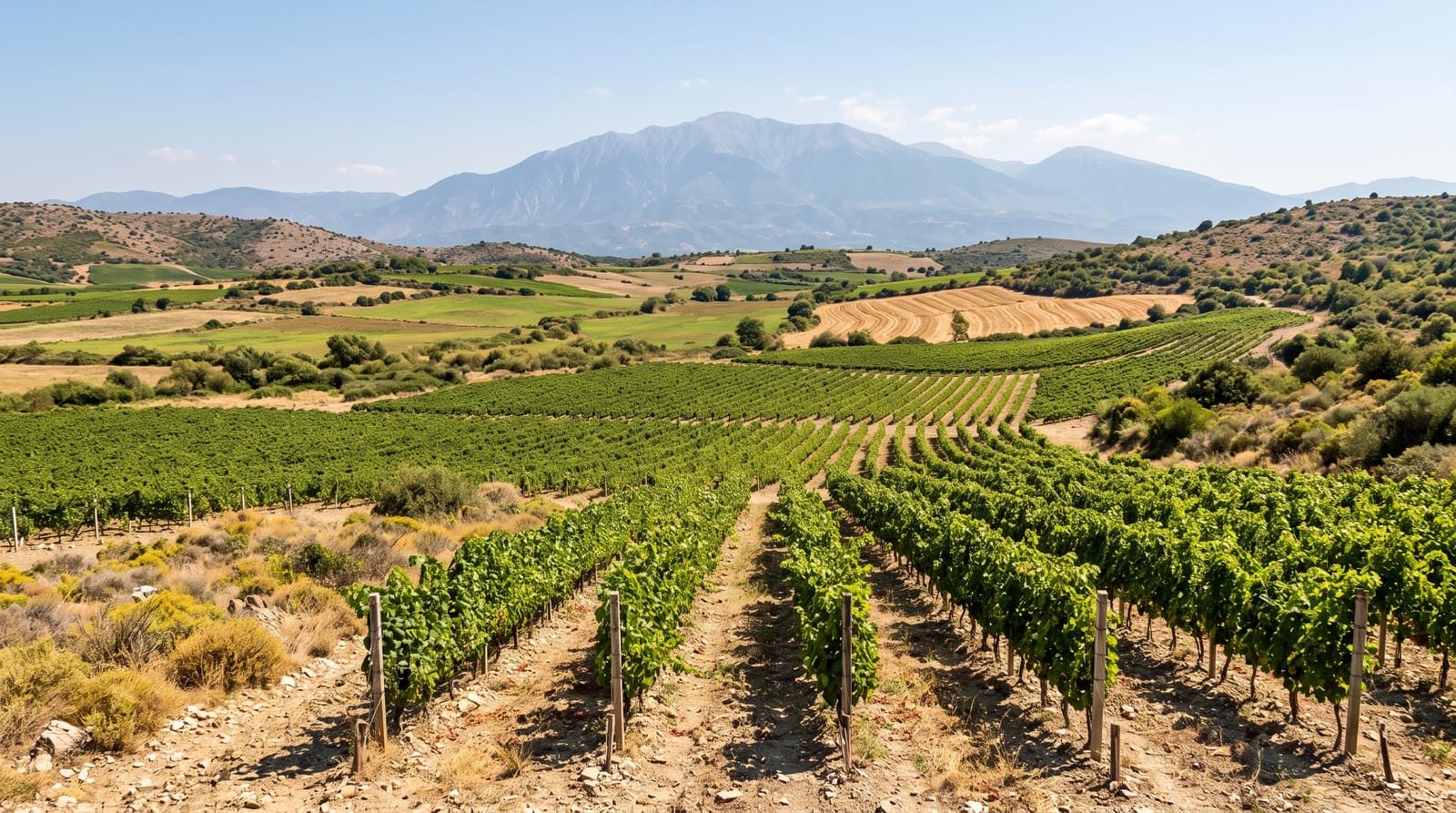
- The high-altitude vineyards - vines between 750 and 1,000 metres.
- The modern wineries - architect-designed estates receiving visitors.
- The September harvest - picking and crushing across the region.
When to go
September and October for harvest activity; April to June for touring in mild weather. Winter on the meseta is very cold and many small wineries close to visitors. Booking tastings ahead is standard.
Before you go
Visiting needs a car and a designated driver, as public transport between wineries does not exist. Most wineries require advance booking and some do not receive visitors at all. Prices for the well-known estates are high.
Nearby
Penafiel castle and its wine museum are central; Aranda de Duero and Valladolid lie either end.
What to pack for Ribera del Duero Wine Route
Chosen from what this place is for. Tap a kit for the full checklist.
- Head torch + spare batteries - Hands-free light is essential; caves are truly dark. Find on Amazon
- A reusable bag or container - For market produce and cutting down on packaging. Find on Amazon
- Grippy closed shoes - Cave floors are wet, muddy and slick with formations. Find on Amazon
- Wet wipes + hand sanitiser - Street food and washbasins do not always go together. Find on Amazon
Some links on this page are Amazon affiliate links - if you buy through them we may earn a small commission at no extra cost to you.
All packing kitsPlan your trip
Where to start if Ribera del Duero Wine Route is going on the list.
Booking links on this page are affiliate links - if you book through them we may earn a small commission at no extra cost to you. It never changes what we write about a place.
Opening times, ticket prices and seasonal closures change - check the official source before you go: official site.