Nikka Yuko Japanese Garden
A Japanese garden opened for Canada's centennial to honour the Japanese Canadians of southern Alberta.
Updated 19 October 2026

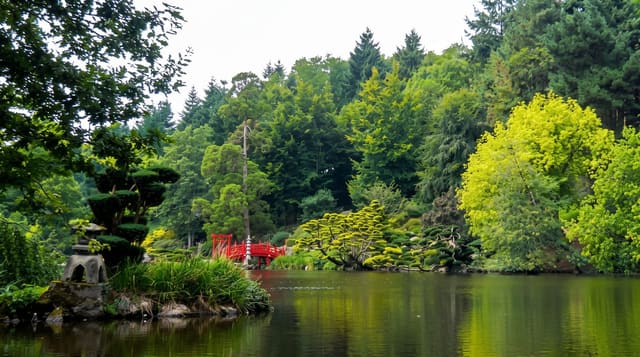
AI illustration
During the second world war Japanese Canadians were removed from the British Columbia coast, dispossessed and sent inland, and many were sent to work the sugar beet fields around Lethbridge. The city and the Japanese Canadian community later built this garden together, opening it in 1966 and formally in 1967 for Canada's centennial, to recognise the contributions of Japanese Canadians and as a symbol of friendship between the two countries; the name combines the Japanese words for Japan and Canada with the word for friendship. Tadashi Kubo and Masami Sugimoto of Osaka Prefecture University designed it. The pavilion, bridges and gates were made in Kyoto of Hinoki cypress without nails, and the five artisans who built them reassembled them here. A bell cast in Kyoto is rung by visitors.
History
In the early 1960s the Reverend Yutetsu Kawamura, a Buddhist minister in Alberta, and Cleo Mowers, editor of the Lethbridge Herald, each thought of a Japanese garden for Lethbridge; the city council approved the plan on 6 January 1964, Tadashi Kubo of Osaka Prefecture University and his assistant Masami Sugimoto designed it from a scheme by his student Ayako Hitomi, and the pavilion, shelter, bridges and gates were made in Kyoto by five artisans who reassembled them here. After 21 months of building it opened on 3 July 1966, and the grand opening, attended by Prince and Princess Takamatsu of Japan, was held on 14 July 1967 during Canada's centennial (Wikipedia, Nikka Yuko Japanese Garden).
The main sights
- The nailed-free pavilion - Hinoki cypress buildings made in Japan and reassembled.
- The Kyoto bell - a cast bell visitors are invited to ring.
- The garden types - dry rock, pond and prairie-adapted planting in one layout.
- The Japanese Canadian story - the wartime relocation and the community the garden honours.
When to go
May to October; the garden closes for winter apart from a December lantern event. Autumn colour in the maples is the strongest season. Tea ceremonies run on a schedule.
Before you go
Closed for most of the winter. The garden is compact and takes about an hour. Prairie climate limits which Japanese species can be grown, so the planting is adapted rather than authentic throughout.
Nearby
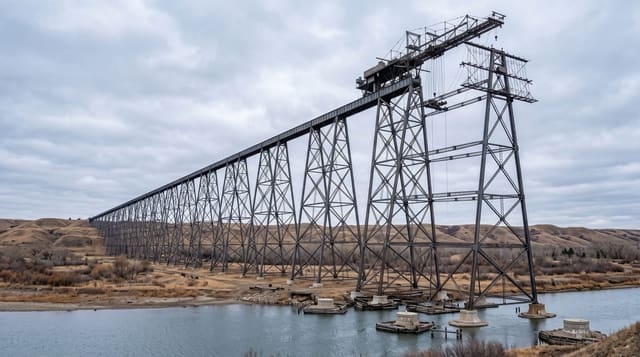
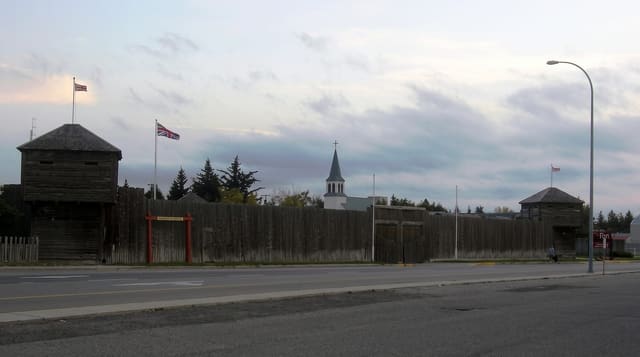
The Lethbridge Viaduct lies west; Fort Macleod is northwest.
Key facts
Source: Wikidata, item Q7035157, read on 18 October 2026.
What to pack for Nikka Yuko Japanese Garden
Chosen from what this place is for. Tap a kit for the full checklist.
- Comfortable walking shoes - Sightseeing means kilometres of pavement and cobbles daily. Find on Amazon
- A slim anti-theft daypack - Zips that close properly; keep it in front in crowds and on transit. Find on Amazon
- A refillable water bottle - Many cities have public fountains; save money and plastic. Find on Amazon
- A light layer + compact umbrella - For museum air-con and a sudden shower. Find on Amazon
Some links on this page are Amazon affiliate links - if you buy through them we may earn a small commission at no extra cost to you.
All packing kitsPlan your trip
Where to start if Nikka Yuko Japanese Garden is going on the list.
Booking links on this page are affiliate links - if you book through them we may earn a small commission at no extra cost to you. It never changes what we write about a place.
Opening times, ticket prices and seasonal closures change - check the official source before you go: official site.