Mont Mégantic
The world's first International Dark Sky Reserve, created by getting a whole region to change its lighting.
Updated 21 October 2026
AI illustration
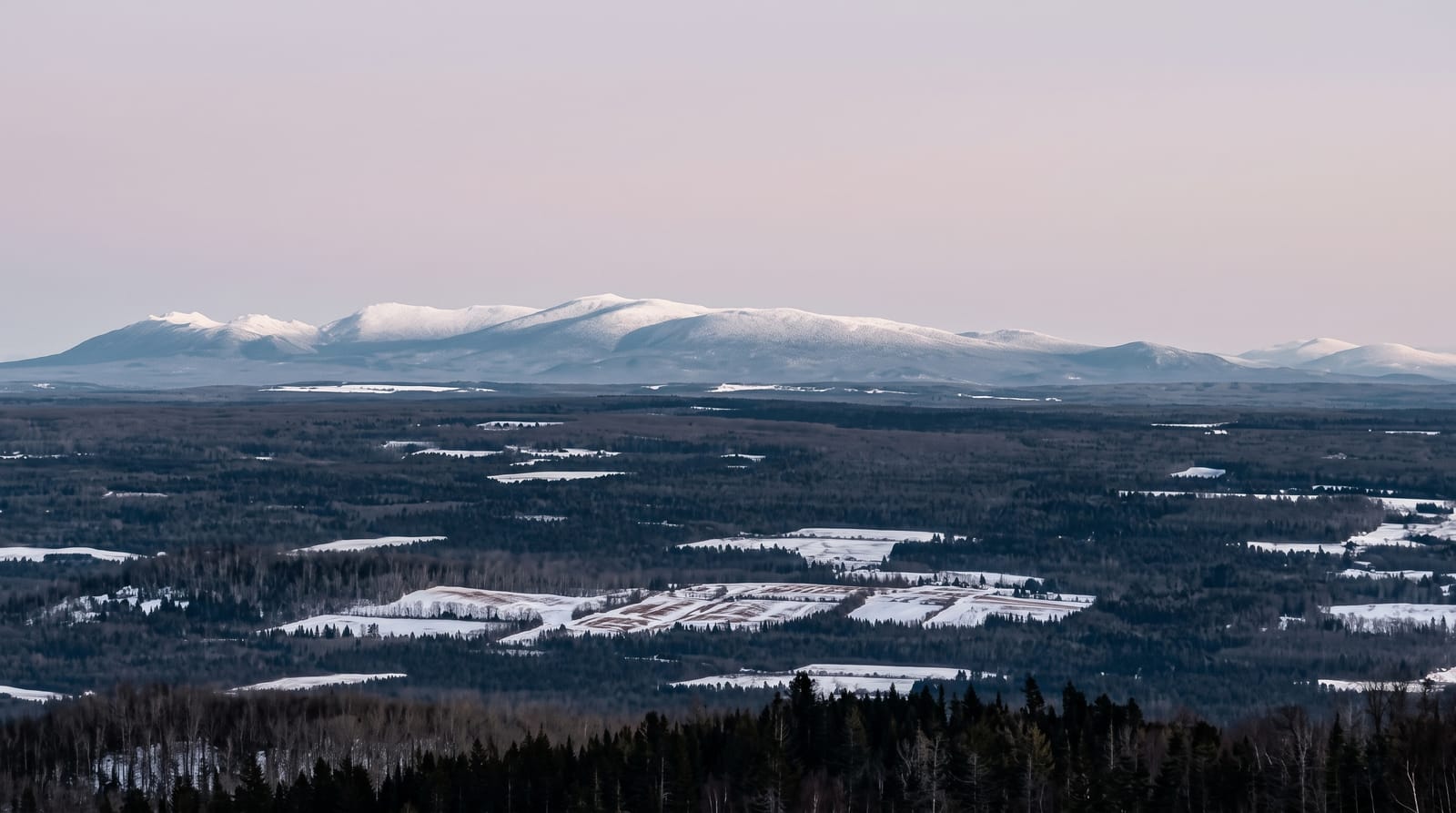
An observatory was built on Mont Mégantic in 1978 and by the 1990s light from Sherbrooke and the surrounding towns was degrading its work. Rather than accept it, the observatory ran a campaign that replaced thousands of light fixtures and brought lighting by-laws to the surrounding municipalities, cutting the sky glow; in 2007 the area became the first International Dark Sky Reserve in the world. The ASTROLab at the base runs public evening programmes, and the summit observatory, with a 1.6 metre telescope, is one of the more important in eastern Canada. Perseid nights in August fill the mountain.
Highlights
- The dark sky - the first designated reserve of its kind anywhere.
- The 1.6-metre telescope - a working research observatory on the summit.
- The ASTROLab - evening public programmes and daytime exhibits.
- The lighting retrofit - the regional conversion that made the reserve possible.
When to go
June to October for evening programmes; the Perseids in mid-August are the busiest nights and book out. Moonless nights are best. Winter programmes run with limited access.
Practical notes
Evening programmes need booking and sell out around meteor showers. Cloud cancels viewing and the mountain generates its own weather. Nights are cold at altitude even in summer.
Nearby
Sherbrooke lies west; the Maine border is east.
Key facts
Source: Wikidata, item Q788097, read on 18 October 2026.
What to pack for Mont Mégantic
Chosen from what this place is for. Tap a kit for the full checklist.
- Broken-in walking shoes or boots - Grip and ankle support matter more than looks; never hike in brand-new boots. Find on Amazon
- Spare batteries + cards - Cold and long shoots drain power; never run out at the good light. Find on Amazon
- Layers + a waterproof shell - Mountain weather turns fast; a packable rain jacket saves the day. Find on Amazon
- A compact tripod - Essential for night skies, aurora, waterfalls and low light. Find on Amazon
Some links on this page are Amazon affiliate links - if you buy through them we may earn a small commission at no extra cost to you.
All packing kitsPlan your trip
Where to start if Mont Mégantic is going on the list.
Booking links on this page are affiliate links - if you book through them we may earn a small commission at no extra cost to you. It never changes what we write about a place.
Opening times, ticket prices and seasonal closures change - check the official source before you go: official site.