Malpeque Oysters
Oysters from a bay that survived a disease which wiped out the beds, and rebuilt from the survivors.
Updated 4 September 2026
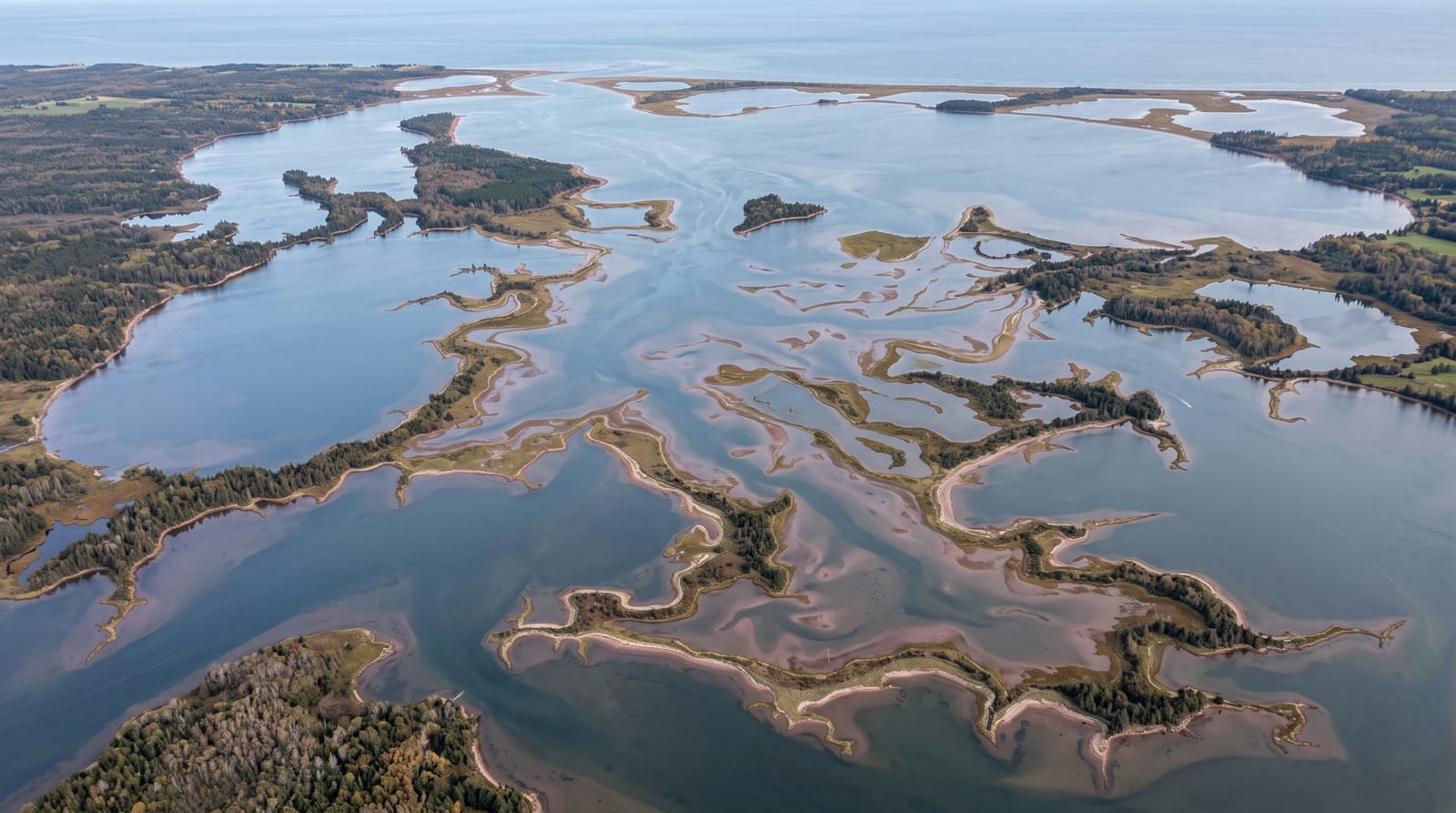
AI illustration
Malpeque Bay oysters won a prize at an exposition in 1900 and the name became a market standard. In 1915 a disease swept the beds and killed the great majority of the stock; the industry nearly ended, and what rebuilt it were the few oysters that proved resistant, whose descendants make up the modern population, so Malpeque disease is now a named condition and PEI oysters carry inherited resistance to it. They are cold-water oysters, growing slowly over four to seven years, which is credited with the firm texture and the clean salinity. Growers run bay tours and shucking demonstrations.
What to look for
- The working leases - oyster beds and cages across the bay.
- The disease history - a stock rebuilt from the survivors of 1915.
- The tonging and shucking - traditional harvest methods demonstrated.
- The four to seven year growth - the slow cold-water cycle explained on tours.
When to go
September to April is the traditional season for eating them, when the water is cold; harvesting runs in spring and autumn. Summer tours operate but the eating season argument favours cold months.
Before you go
Tours are seasonal and weather-dependent. Much sold as Malpeque comes from elsewhere in PEI, since the name is used broadly. Winter harvest is done through the ice and is not a visitor activity.
Nearby
Kensington lies south; PEI National Park is east.
What to pack for Malpeque Oysters
Chosen from what this place is for. Tap a kit for the full checklist.
- A reusable bag or container - For market produce and cutting down on packaging. Find on Amazon
- Wet wipes + hand sanitiser - Street food and washbasins do not always go together. Find on Amazon
Some links on this page are Amazon affiliate links - if you buy through them we may earn a small commission at no extra cost to you.
All packing kitsPlan your trip
Where to start if Malpeque Oysters is going on the list.
Booking links on this page are affiliate links - if you book through them we may earn a small commission at no extra cost to you. It never changes what we write about a place.
Opening times, ticket prices and seasonal closures change - check the official source before you go: official site.