Little Limestone Lake
The largest marl lake known, which changes colour through the day as calcite comes out of solution.
Updated 21 October 2026
AI illustration
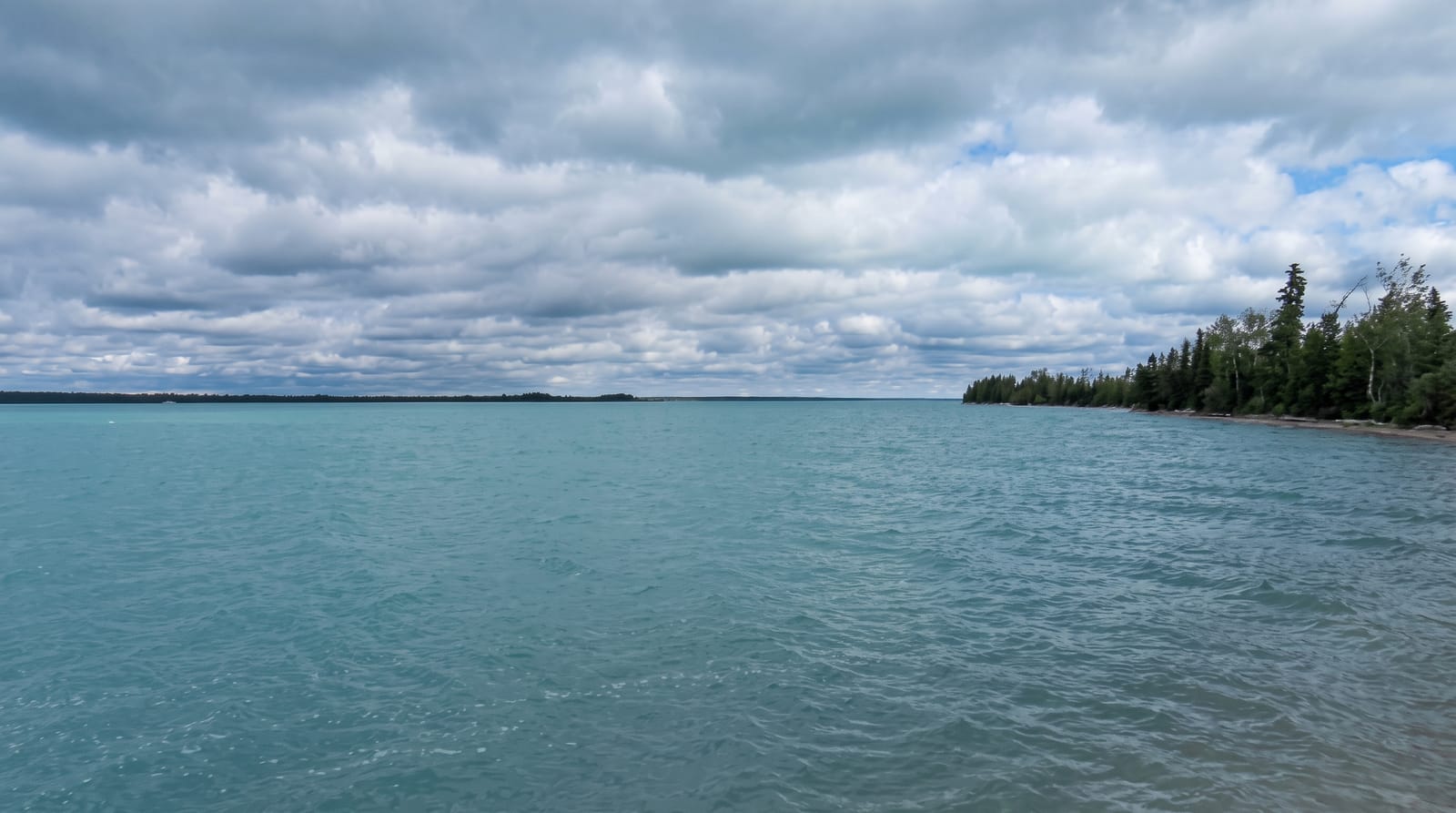
Little Limestone Lake is generally described as the largest and finest example of a marl lake in the world. The water holds dissolved calcium carbonate from the limestone bedrock, and as it warms through the day the mineral comes out of solution as microscopic calcite crystals that suspend and scatter light, turning the lake from clear blue in the cool morning through turquoise to an opaque milky aqua by afternoon, then back as it cools. The change is visible within hours. It is now protected as a provincial park. There are no facilities beyond a roadside pull-off.
Highlights
- The colour change - blue to milky turquoise across a single warm day.
- The calcite bloom - crystals suspending in the water as it warms.
- The limestone shore - pale rock and clear shallows at the edges.
- The roadside viewpoint - the only developed access on Highway 6.
When to go
June to September, on a warm sunny day, which is what drives the effect; cool or overcast days show little change. Afternoon shows the strongest colour.
What to expect
The effect needs sun and warmth; a cloudy visit shows an ordinary lake. It is a very long drive north of Winnipeg with almost no services. There are no facilities at the site.
Nearby
Grand Rapids lies south; Pisew Falls is north.
Key facts
Source: Wikidata, item Q3364746, read on 18 October 2026.
What to pack for Little Limestone Lake
Chosen from what this place is for. Tap a kit for the full checklist.
- Broken-in walking shoes or boots - Grip and ankle support matter more than looks; never hike in brand-new boots. Find on Amazon
- Layers + a waterproof shell - Mountain weather turns fast; a packable rain jacket saves the day. Find on Amazon
- Daypack with rain cover - 20-30 litres holds water, snacks, layers and a first-aid kit. Find on Amazon
- Offline maps + a power bank - Download the trail before you lose signal; carry backup charge. Find on Amazon
Some links on this page are Amazon affiliate links - if you buy through them we may earn a small commission at no extra cost to you.
All packing kitsPlan your trip
Where to start if Little Limestone Lake is going on the list.
Booking links on this page are affiliate links - if you book through them we may earn a small commission at no extra cost to you. It never changes what we write about a place.
Opening times, ticket prices and seasonal closures change - check the official source before you go: official site.