Kimberley
A mining town that rebranded itself Bavarian in the 1970s and built a cuckoo clock said to be the largest in Canada.
Updated 12 October 2026
AI illustration
Kimberley lived on the Sullivan mine, one of the largest lead-zinc-silver deposits ever worked, and when its closure became foreseeable in the 1970s the town looked for another economy and settled on a Bavarian theme: the main street was pedestrianised as the Platzl, buildings were refronted in alpine style, and a large cuckoo clock was installed that plays when a coin is dropped in. The mine closed in 2001 after ninety-two years. An underground railway built for the mine now carries visitors, and the town sits at about eleven hundred metres, which it claims makes it the highest city in Canada.
Highlights
- The Platzl - a pedestrianised main street refronted in alpine style.
- The cuckoo clock - a large coin-operated clock, said to be Canada's biggest.
- The Sullivan mine railway - an underground train built for the mine.
- The mine history centre - the story of a ninety-two year lead-zinc operation.
When to go
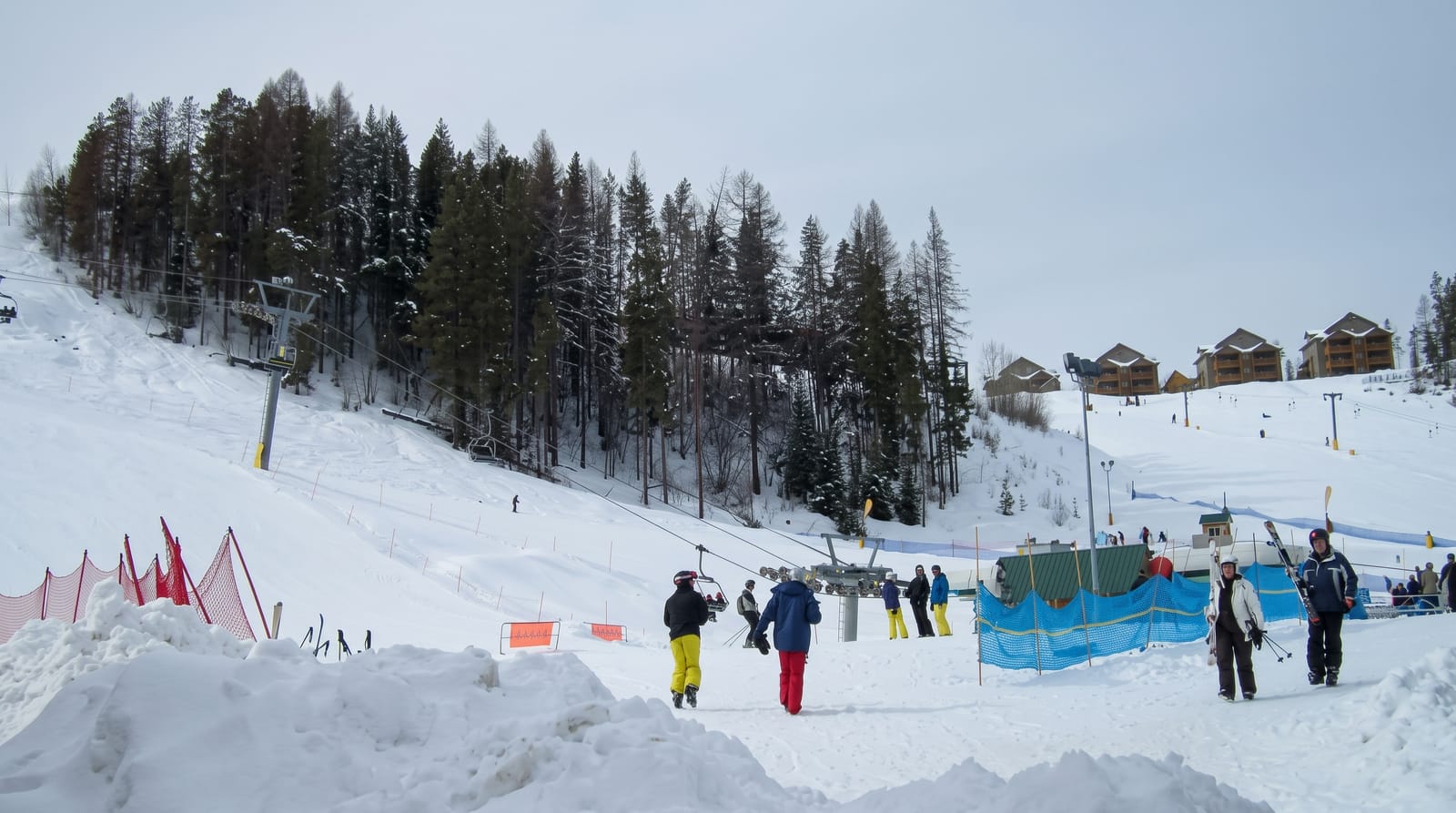
June to September for the Platzl and hiking; December to March for skiing at the local hill. The theme is at its liveliest during summer festivals such as Julyfest.
Good to know
The Bavarian theme is a 1970s commercial invention with no local heritage behind it, and it reads as kitsch to many. The town is small. Some themed businesses have closed over the years.
Nearby
Fort Steele lies southeast; Fernie is east.
What to pack for Kimberley
Chosen from what this place is for. Tap a kit for the full checklist.
- Broken-in walking shoes or boots - Grip and ankle support matter more than looks; never hike in brand-new boots. Find on Amazon
- Head torch + spare batteries - Hands-free light is essential; caves are truly dark. Find on Amazon
- Comfortable walking shoes - Sightseeing means kilometres of pavement and cobbles daily. Find on Amazon
- Layers + a waterproof shell - Mountain weather turns fast; a packable rain jacket saves the day. Find on Amazon
Some links on this page are Amazon affiliate links - if you buy through them we may earn a small commission at no extra cost to you.
All packing kitsPlan your trip
Where to start if Kimberley is going on the list.
Booking links on this page are affiliate links - if you book through them we may earn a small commission at no extra cost to you. It never changes what we write about a place.
Opening times, ticket prices and seasonal closures change - check the official source before you go: official site.


