Drumheller Hoodoos
Sandstone pillars capped by harder rock, standing in badlands that hold one of the world's richest fossil beds.
Updated 4 September 2026

AI illustration
The Red Deer River has cut through soft Cretaceous sandstone and shale, and where a harder ironstone cap sits on top of a softer column the rain wears the surroundings away and leaves a pillar standing with a mushroom head. The formal hoodoo site east of Drumheller protects a group of them with boardwalks and stairs. They erode at a measurable rate, a few centimetres a year, so the shapes visibly change over decades and climbing on them is prohibited. The Blackfoot and other nations regarded hoodoos as petrified giants. The same rock layers make this one of the richest dinosaur fossil regions on earth.
What you'll find
- The capped pillars - sandstone columns under harder ironstone heads.
- The boardwalks - raised walks and stairs among the formations.
- The badlands colour - banded grey, ochre and rust in the coulee walls.
- The erosion rate - shapes that measurably change within a lifetime.
When to go
May to September; the badlands are extremely hot in July and August with no shade, so early morning or evening is better. Winter access is possible but the ground is icy.
Before you go
The site is small and takes half an hour. Climbing the hoodoos is prohibited and enforced, since it accelerates their destruction. Summer heat in the coulee is severe.
Nearby
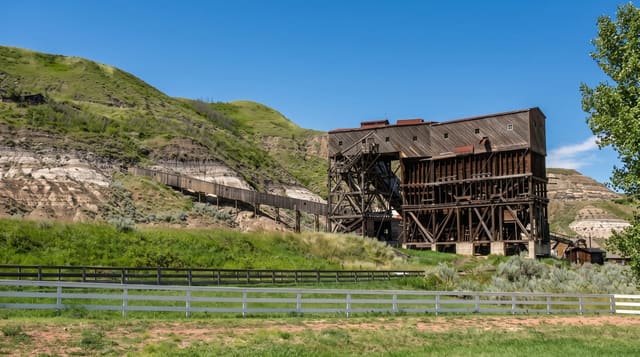
The Atlas Coal Mine lies east; the Royal Tyrrell Museum is west in Drumheller.
Key facts
Source: Wikidata, item Q26381933, read on 18 October 2026.
What to pack for Drumheller Hoodoos
Chosen from what this place is for. Tap a kit for the full checklist.
- Broken-in walking shoes or boots - Grip and ankle support matter more than looks; never hike in brand-new boots. Find on Amazon
- Layers + a waterproof shell - Mountain weather turns fast; a packable rain jacket saves the day. Find on Amazon
- Daypack with rain cover - 20-30 litres holds water, snacks, layers and a first-aid kit. Find on Amazon
- Offline maps + a power bank - Download the trail before you lose signal; carry backup charge. Find on Amazon
Some links on this page are Amazon affiliate links - if you buy through them we may earn a small commission at no extra cost to you.
All packing kitsPlan your trip
Where to start if Drumheller Hoodoos is going on the list.
Booking links on this page are affiliate links - if you book through them we may earn a small commission at no extra cost to you. It never changes what we write about a place.
Opening times, ticket prices and seasonal closures change - check the official source before you go: official site.