Limbe
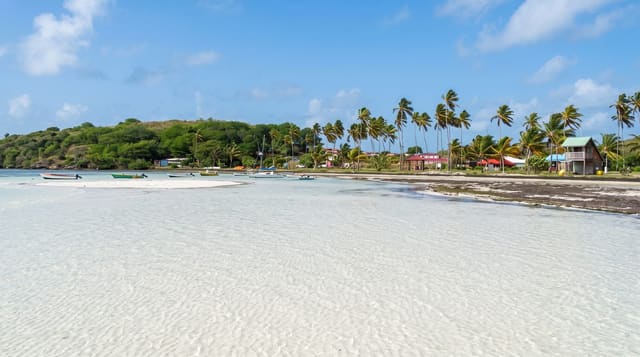
Black sand under the volcano - Mount Cameroon's seaside town of lava beaches, a famous wildlife centre and the oldest botanic garden in the region.
Updated 19 October 2026

AI illustration
Where Mount Cameroon walks into the Atlantic, Limbe arranges the volcano's gifts: beaches of jet-black lava sand - Down Beach's fish-grill scene in town, Mile 6 and Seme's quieter strands under the palms - warm sea, and soil so rich the town's 1890s Botanic Garden grew into the region's oldest, its cycads and spice trees shading river paths. The Limbe Wildlife Centre gives the town its conservation fame: a sanctuary rehabilitating gorillas, chimps, drills and mandrills rescued from the bushmeat trade, run with local communities and counted among Africa's best of its kind. Fresh grilled fish with the fleet pulled up beside you closes each day properly.
History
The town was known as Victoria from 1858 and at first stayed under British administration outside the new German colony of Kamerun, until on 7 May 1886 Britain and Germany agreed to trade it for German rights on the Forcados River in Nigeria and at St Lucia in Natal; it passed to the Germans on 28 March 1887, when Swiss Presbyterian missionaries also bought the land from the Baptist Missionary Society. It became British again in 1915, as part of British Cameroon, and was renamed Limbe in 1982, and the old slave-trading site of Bimbia nearby is being restored for visitors (Wikipedia, Limbé, Cameroon).
Highlights
- The black-sand beaches - Mile 6 and Seme under the volcano's flank.
- Limbe Wildlife Centre - rescued gorillas, drills and chimps in serious care.
- The Botanic Garden - the 1890s collection along the river.
- Down Beach fish - the grill sheds and the landing fleet.
When to go
November to February is the drier window on one of Africa's wettest coasts - even then, showers visit; March to October rains in earnest. Sea swimming favours calm mornings; ask locally about currents.
Before you go
This is one of the world's rainiest regions - plans should bend around water falling; the green is the payment. Route via Douala. The wildlife centre is a sanctuary, not a zoo performance - visit on its educational terms.
Nearby
Mount Cameroon's trailheads at Buea, Douala and the Bimbia forest.
What to pack for Limbe
Chosen from what this place is for. Tap a kit for the full checklist.
- Reef-safe sunscreen - High SPF that will not bleach the coral you are swimming over. Find on Amazon
- Binoculars - The single best wildlife tool - even a compact pair transforms a sighting. Find on Amazon
- Quick-dry towel - A microfibre towel packs small and dries in minutes. Find on Amazon
- A zoom camera or long lens - Animals rarely come close; reach beats megapixels. Find on Amazon
Some links on this page are Amazon affiliate links - if you buy through them we may earn a small commission at no extra cost to you.
All packing kitsPlan your trip
Where to start if Limbe is going on the list.
Booking links on this page are affiliate links - if you book through them we may earn a small commission at no extra cost to you. It never changes what we write about a place.
Opening times, ticket prices and seasonal closures change - check the official source before you go: official site.