Sofia
The laid-back capital of Bulgaria - a green, walkable city layering Roman ruins, Ottoman mosques and Orthodox churches beneath Mount Vitosha, crowned by the golden-domed Alexander Nevsky Cathedral.
Updated 19 October 2026
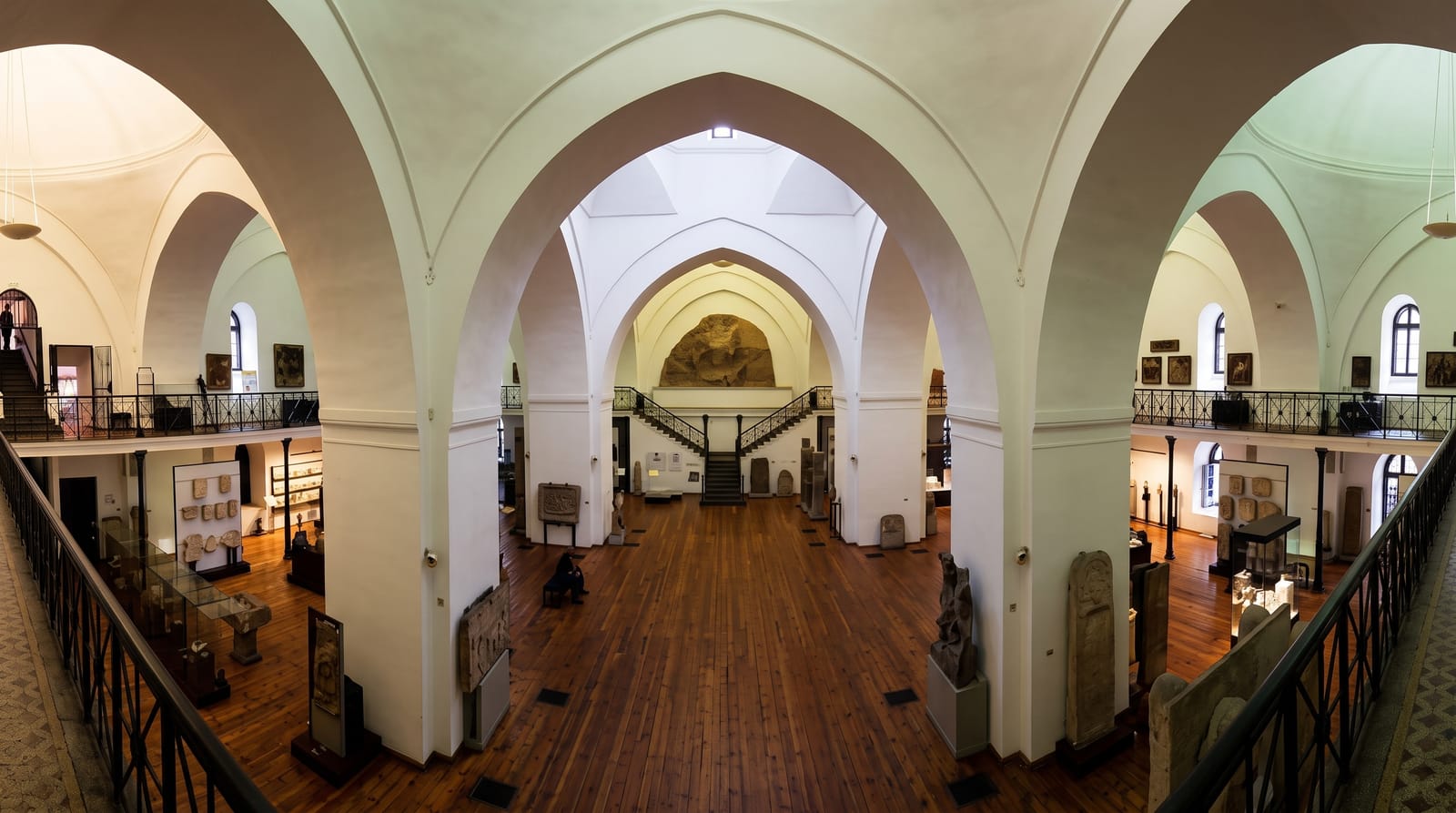
AI illustration
Sofia, the capital of Bulgaria, is a laid-back, green and increasingly stylish city that wears its long history lightly, its centre layering Roman ruins, Ottoman mosques, a synagogue and Orthodox churches within a few blocks, all set beneath the ski slopes of Mount Vitosha. Its landmark is the magnificent Alexander Nevsky Cathedral, a vast neo-Byzantine church crowned with golden domes, and its yellow-cobbled boulevards, leafy parks, cafes and mineral springs make it a pleasant, unhurried European capital.
History
People have lived here for some 7,000 years, drawn by the hot springs, and the Thracian Tilataei and then the Odrysian kingdom held the area before Philip II of Macedon sacked the town in 339 BC; the Celtic Serdi gave it its name, Serdica, and after the Romans took it in 29 BC it became a municipium under Trajan, with walls, baths, a forum and an amphitheatre, and later the capital of Dacia Mediterranea. Khan Krum brought it into the First Bulgarian Empire in 809 as Sredets, the Byzantines held it from 1018 until 1194, and it flourished as an administrative and literary centre of the Second Bulgarian Empire until the Ottomans took it in 1382 (Wikipedia, Sofia).
What's there
- Alexander Nevsky Cathedral - the vast golden-domed cathedral.
- The layered centre - the Roman ruins, mosque, synagogue and churches together.
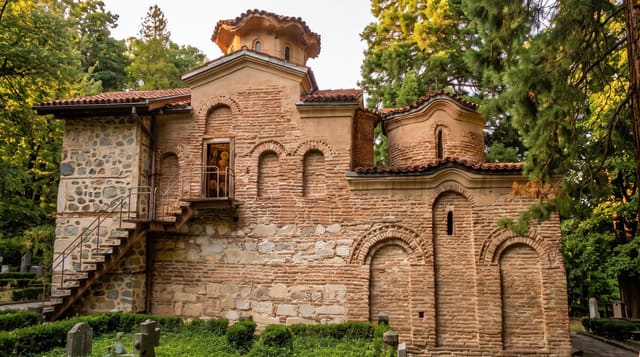
- Boyana Church - the UNESCO church of exquisite medieval frescoes nearby.
- Mount Vitosha - the mountain rising right at the city's edge.
When to go
Spring and autumn for the mildest weather; the city is pleasant and walkable, with Mount Vitosha offering hiking in summer and skiing in winter right on its doorstep. It is a relaxed capital best enjoyed strolling its boulevards and cafes.
What to expect
Sofia is a pleasant, low-key capital rather than a blockbuster city, so its appeal is the relaxed atmosphere, the layered history in a compact centre, the greenery and good value rather than must-see monuments. Some areas still show a post-communist grittiness. The UNESCO Boyana Church with its frescoes, on the outskirts, is a worthwhile trip. It is affordable and easygoing.
Nearby
The Rila Monastery, Mount Vitosha and Plovdiv are within reach.
Key facts
Source: Wikidata, item Q472, read on 18 October 2026.
What to pack for Sofia
Chosen from what this place is for. Tap a kit for the full checklist.
- Broken-in walking shoes or boots - Grip and ankle support matter more than looks; never hike in brand-new boots. Find on Amazon
- Comfortable walking shoes - Sightseeing means kilometres of pavement and cobbles daily. Find on Amazon
- Modest clothing - Shoulders and knees covered - the single most common requirement. Find on Amazon
- Swimwear - Needed at most public thermal pools; some traditional baths are nude and single-sex. Find on Amazon
Some links on this page are Amazon affiliate links - if you buy through them we may earn a small commission at no extra cost to you.
All packing kitsPlan your trip
Where to start if Sofia is going on the list.
Booking links on this page are affiliate links - if you book through them we may earn a small commission at no extra cost to you. It never changes what we write about a place.
Opening times, ticket prices and seasonal closures change - check the official source before you go: official site.