Serra da Canastra National Park
The source of the Sao Francisco, a 186-metre waterfall, and the cheese country that surrounds the plateau.
Updated 29 August 2026
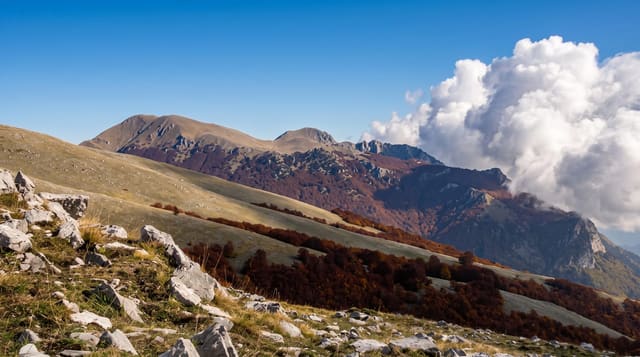
Canastra protects the plateau where the Sao Francisco rises - the spring is marked and reachable on a short walk, and the river that starts here crosses the dry interior for nearly three thousand kilometres before reaching the Atlantic. A few kilometres downstream the same water goes over Casca d'Anta, a fall of about a hundred and eighty-six metres that can be seen from above at the top of the escarpment or approached from the base by the lower road. The plateau is cerrado grassland and holds maned wolf, giant anteater and the Brazilian merganser, a duck so rare that Canastra is one of very few places it survives. Outside the boundary, the same highlands produce Canastra cheese, a raw-milk cheese with protected status and a long-running argument with food regulators behind it.
Highlights
- The source of the Sao Francisco - the marked spring at the head of the river.
- Casca d'Anta - a 186-metre fall seen from the rim or from the base.
- Cerrado grassland fauna - maned wolf, giant anteater and the rare Brazilian merganser.
- Canastra cheese country - the raw-milk cheese farms around the plateau.
When to go
April to September, the dry season. Three days.
Things to know
The upper and lower parts of the park have separate entrances a long drive apart, and people regularly arrive at the wrong one. Internal roads are dirt and rough. The fall runs thin late in the dry season. Wildlife is present but sightings need patience and early starts.
Nearby
Sao Roque de Minas is the upper base; Vargem Bonita serves the lower fall.
Key facts
Source: Wikidata, item Q7455211, read on 18 October 2026.
What to pack for Serra da Canastra National Park
Chosen from what this place is for. Tap a kit for the full checklist.
- Broken-in walking shoes or boots - Grip and ankle support matter more than looks; never hike in brand-new boots. Find on Amazon
- Binoculars - The single best wildlife tool - even a compact pair transforms a sighting. Find on Amazon
- Layers + a waterproof shell - Mountain weather turns fast; a packable rain jacket saves the day. Find on Amazon
- A zoom camera or long lens - Animals rarely come close; reach beats megapixels. Find on Amazon
Some links on this page are Amazon affiliate links - if you buy through them we may earn a small commission at no extra cost to you.
All packing kitsPlan your trip
Where to start if Serra da Canastra National Park is going on the list.
Booking links on this page are affiliate links - if you book through them we may earn a small commission at no extra cost to you. It never changes what we write about a place.
Opening times, ticket prices and seasonal closures change - check the official source before you go: official site.