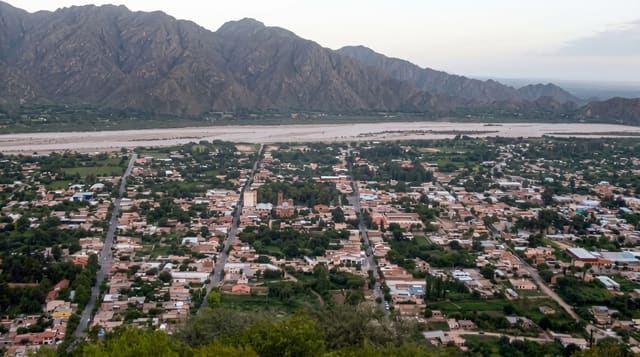
Cananeia
One of the oldest settlements in Brazil, a quiet fishing port at the gate of a large protected estuary and wild island.
Updated 19 October 2026
Cananeia claims a founding date of 1531 and is among the oldest continuously occupied settlements in Brazil, though it never grew - a small colonial centre of low houses, a seventeenth-century church and a working fishing fleet on the estuary. What makes it worth the drive is what lies around it: the Lagamar estuarine complex, one of the best-preserved on the Brazilian coast and part of the Atlantic Forest protected system, with mangrove channels, dolphins and an oyster fishery. Ilha do Cardoso across the water is a state park of forest, beaches and caicara communities, reached by boat with restricted access. Ilha Comprida runs eighty-odd kilometres north as a sand barrier. The estuary here supports a large share of the region's fish nurseries.
History
Cananéia is held to have been founded in 1531, which some historians take to make it the oldest town in Brazil, five months older than São Vicente, though for lack of documents São Vicente is officially counted the oldest. Its historic centre keeps the building styles of the first colonial houses and churches through to the end of the 19th century (Wikipedia, Cananéia).
The main sights
- A 1531 foundation that stayed small - colonial fabric in a working fishing town.
- The Lagamar estuary - mangrove channels among the best preserved on the coast.
- Ilha do Cardoso - a forest and beach state park with caicara villages.
- Ilha Comprida - the long sand barrier running north.
When to go
April to September. Two days.
What to expect
Boats to Cardoso run to limited schedules and access is capped; camping there needs booking. The town has few restaurants and they close early. Rain is frequent on this coast. Insects in the mangrove at dusk are heavy.
Nearby
Iguape is north up the barrier; PETAR and the Ribeira valley are inland.
Key facts
Source: Wikidata, item Q1751347, read on 18 October 2026.
What to pack for Cananeia
Chosen from what this place is for. Tap a kit for the full checklist.
- Travel rod + reel - A packable multi-piece rod fits in a case and covers most holiday fishing. Find on Amazon
- Reef-safe sunscreen - High SPF that will not bleach the coral you are swimming over. Find on Amazon
- Binoculars - The single best wildlife tool - even a compact pair transforms a sighting. Find on Amazon
- Comfortable walking shoes - Sightseeing means kilometres of pavement and cobbles daily. Find on Amazon
Some links on this page are Amazon affiliate links - if you buy through them we may earn a small commission at no extra cost to you.
All packing kitsPlan your trip
Where to start if Cananeia is going on the list.
Booking links on this page are affiliate links - if you book through them we may earn a small commission at no extra cost to you. It never changes what we write about a place.
Opening times, ticket prices and seasonal closures change - check the official source before you go: official site.