Belem Old Town
The colonial core of Belem around the fort that founded the city, with mango streets and a cathedral square.
Updated 29 August 2026
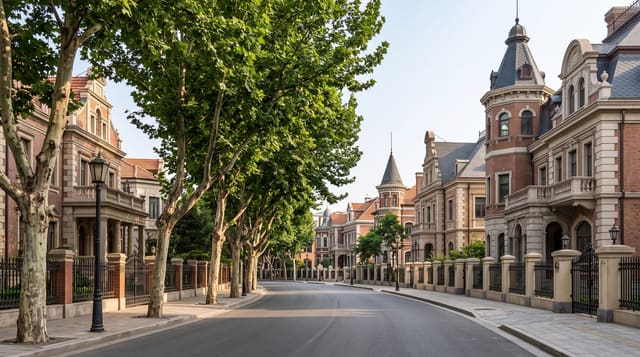
Belem began in 1616 as a Portuguese fort at the mouth of the Amazon, built to keep the Dutch, English and French out of the river, and the Forte do Presepio still stands on the point with a museum inside it. Around it the Cidade Velha holds the colonial city: the Se cathedral, the Santo Alexandre church with its carved cedar interior, the Casa das Onze Janelas, and the Feliz Lusitania complex that ties them together. Much of the district is worn and lived-in rather than restored. Belem's other signature is above the streets - mango trees planted through the city in the nineteenth century now form a continuous canopy over many roads, giving it the name Cidade das Mangueiras, and dropping fruit heavy enough that people watch where they park.
What you'll find
- Forte do Presepio - the 1616 fort the city grew from, with its museum.
- Feliz Lusitania - the linked colonial buildings around the cathedral square.
- Mango canopy streets - nineteenth-century plantings shading the city.
- A working district - worn colonial fabric still lived in rather than restored.
When to go
June to November, the drier half. Half a day. Rain comes most afternoons regardless.
Things to know
Restoration is patchy and some blocks are run down. Care is needed after dark. Heat and humidity are heavy, and the near-daily afternoon downpour is worth planning around rather than resisting.
Nearby
Ver-o-Peso market is on the waterfront; the Basilica of Nazare is inland.
What to pack for Belem Old Town
Chosen from what this place is for. Tap a kit for the full checklist.
- Strong insect repellent - DEET or picaridin; the jungle is where bites and disease risk are highest. Find on Amazon
- Comfortable walking shoes - Sightseeing means kilometres of pavement and cobbles daily. Find on Amazon
- Modest clothing - Shoulders and knees covered - the single most common requirement. Find on Amazon
- Long, light, quick-dry clothing - Covers skin from insects and sun without cooking you in the humidity. Find on Amazon
Some links on this page are Amazon affiliate links - if you buy through them we may earn a small commission at no extra cost to you.
All packing kitsPlan your trip
Where to start if Belem Old Town is going on the list.
Booking links on this page are affiliate links - if you book through them we may earn a small commission at no extra cost to you. It never changes what we write about a place.
Opening times, ticket prices and seasonal closures change - check the official source before you go: official site.