The Central Kalahari
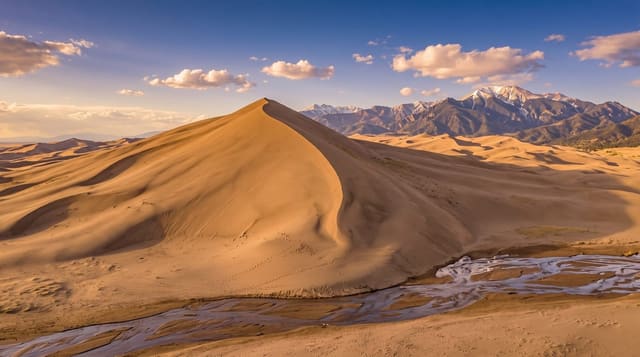
A vast, remote desert wilderness - one of the largest game reserves on earth, a haven of open grasslands and dunes where black-maned lions, cheetahs and oryx roam, and the San people have lived for millennia.
Updated 18 October 2026

AI illustration
Real photos (1)
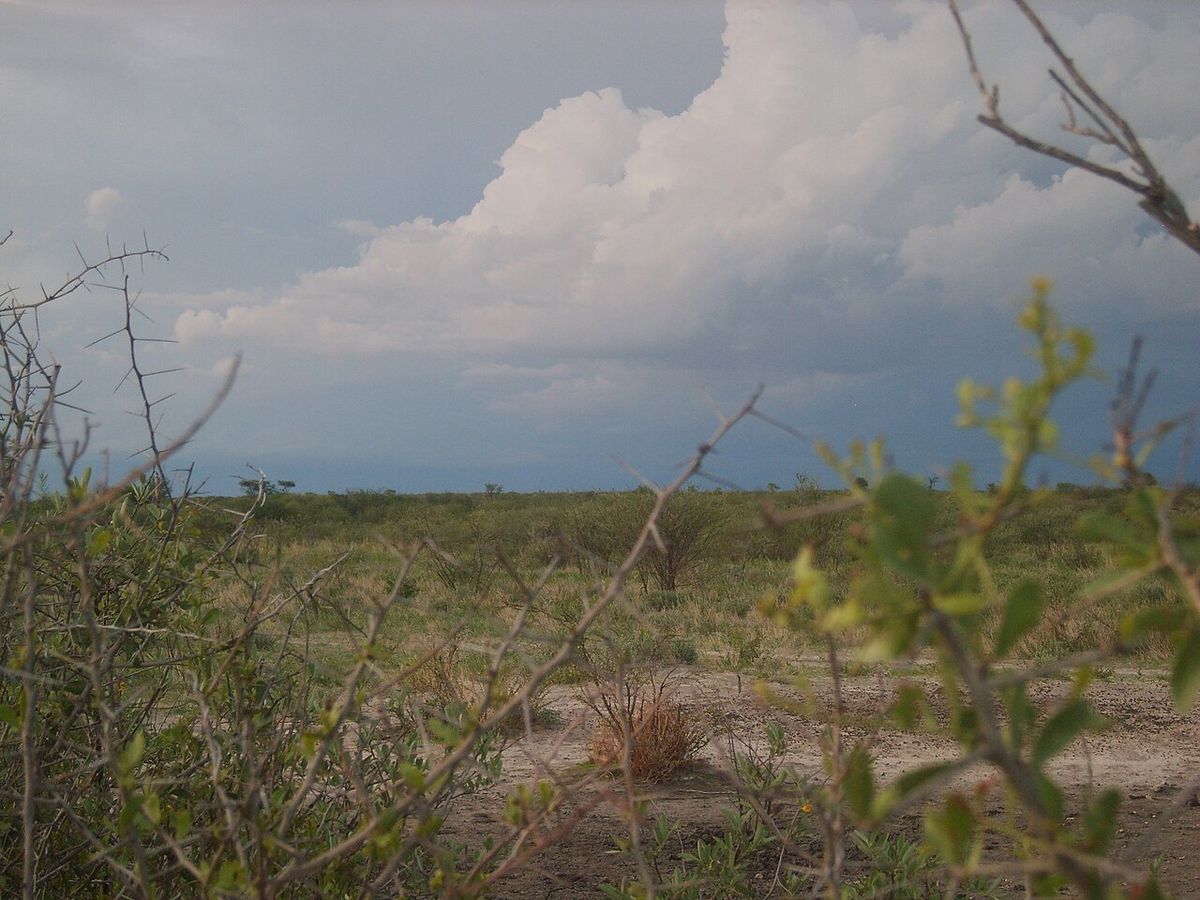
The Central Kalahari Game Reserve is one of the largest and most remote protected wilderness areas on earth, a vast expanse of the Kalahari's semi-desert grasslands, ancient river valleys and dunes at the heart of Botswana. A place of huge skies, deep silence and true isolation, it is home to famous black-maned Kalahari lions, cheetahs, leopards, and herds of oryx and springbok, and to the San, or Bushmen, one of the world's oldest cultures, who have lived in this harsh land for tens of thousands of years.
History
The San have lived on this land for thousands of years as nomadic hunters, and the reserve was established in 1961; at 52,800 square kilometres, almost a tenth of Botswana, it is the second largest game reserve in the world. In the middle of September 2008 a huge bush fire, of unknown origin, burned around 80 percent of it (Wikipedia, Central Kalahari Game Reserve).
Highlights
- The desert wildlife - the black-maned lions, cheetahs and oryx.
- The green season - the wildlife and newborns of the summer rains.
- The vast wilderness - the huge skies, silence and isolation.
- The San culture - the heritage of one of the world's oldest peoples.
When to go
Unusually, the green summer season, December to April, is often the best time, when the rains bring fresh grazing that draws big herds and predators to the Deception Valley area; the dry season is harsher, with wildlife more dispersed. It is extremely hot in summer.
Before you go
It is exceptionally remote and wild, one of the most isolated reserves in Africa, so it is for the adventurous, reached by long four-wheel-drive journeys or fly-in camps, with self-drivers needing to be fully self-sufficient. Wildlife is sparser and harder to find than in the delta, so it is about the wilderness, solitude and specific desert species rather than dense game. It is a place of profound emptiness and space.
Nearby
The town of Ghanzi, the Makgadikgadi Pans and the Kalahari are the wider region.
Key facts
Source: Wikidata, item Q194732, read on 18 October 2026.
What to pack for The Central Kalahari
Chosen from what this place is for. Tap a kit for the full checklist.
- Broken-in walking shoes or boots - Grip and ankle support matter more than looks; never hike in brand-new boots. Find on Amazon
- Binoculars - The single best wildlife tool - even a compact pair transforms a sighting. Find on Amazon
- Loose, light, long clothing - Covering up beats bare skin in the desert - and locals dress this way for a reason. Find on Amazon
- Layers + a waterproof shell - Mountain weather turns fast; a packable rain jacket saves the day. Find on Amazon
Some links on this page are Amazon affiliate links - if you buy through them we may earn a small commission at no extra cost to you.
All packing kitsPlan your trip
Where to start if The Central Kalahari is going on the list.
Booking links on this page are affiliate links - if you book through them we may earn a small commission at no extra cost to you. It never changes what we write about a place.
Opening times, ticket prices and seasonal closures change - check the official source before you go: official site.