La Paz
The breathtaking highest capital in the world - a dramatic city spilling down the sides of a vast canyon at over 3,600 metres, a chaotic, vibrant place of markets, cable cars and snow-capped peaks.
Updated 18 October 2026
AI illustration
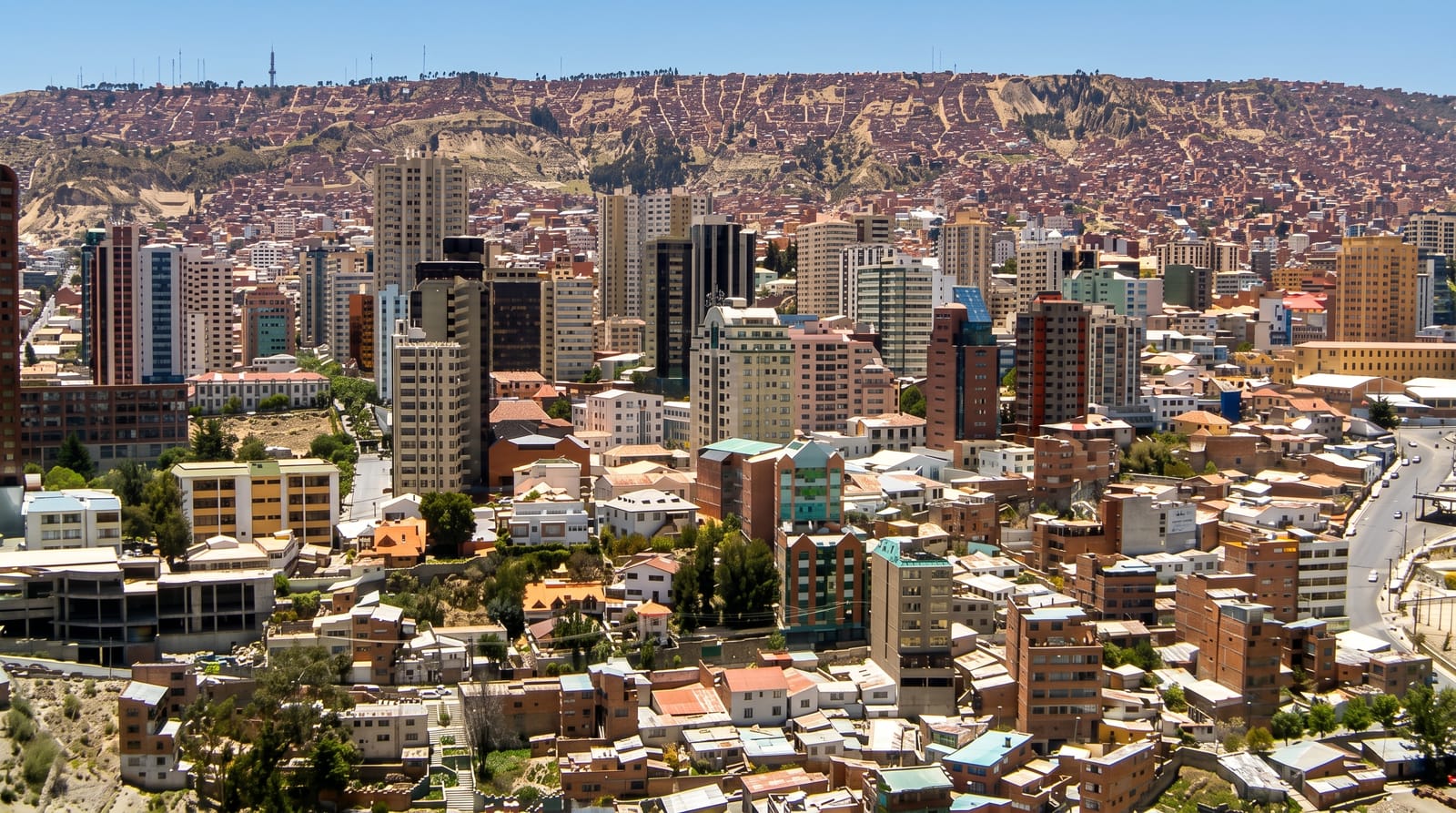
La Paz, the highest capital city in the world, is one of the most dramatically sited cities on earth, spilling down the steep sides of a vast canyon on the high Andean altiplano at over 3,600 metres, its brick buildings climbing the slopes to the rim beneath the towering, snow-capped peak of Illimani. A chaotic, vibrant and utterly captivating city of steep streets, bustling markets including the eerie Witches' Market, and indigenous Aymara culture, it is uniquely traversed by a network of soaring cable cars gliding over the rooftops.
History
The area had been the site of an Inca city on a major trade route, and although the Spaniards arrived in 1535, La Paz was founded only on 20 October 1548 by Alonso de Mendoza, first at Laja and a few days later in the milder valley of Chuquiago, with Juan de Vargas as its first mayor. In 1549 Juan Gutierrez Paniagua drew up its plan, with the Plaza de los Españoles, now Plaza Murillo, for the government buildings and the cathedral; in 1781 Aymara forces under Tupac Katari besieged the city for six months, and on 16 July 1809 the uprising led by Pedro Domingo Murillo marked the beginning of the struggle for independence from Spain (Wikipedia, La Paz).
Highlights
- The cable cars - the network of teleferico cars over the city.
- The Witches' Market - the market of folk remedies and offerings.
- The canyon setting - the city climbing the vast canyon walls.
- Valle de la Luna - the eroded 'moon valley' landscape nearby.
When to go
May to October, the dry season, for the clearest weather; the high-altitude city is cool year-round, with cold nights, and the thin air can leave new arrivals breathless. The cable cars offer spectacular, easy views over the dramatic city.
Practical notes
At over 3,600 metres the altitude is serious, so acclimatise, take it easy on arrival and beware altitude sickness; the steep streets make it more breathless still. It is chaotic, gritty and can be overwhelming, and normal city precautions apply. Its extraordinary setting, the cable-car views, the markets and the vibrant indigenous culture, though, make it one of the most fascinating cities in South America.
Nearby
Lake Titicaca, the Tiwanaku ruins and the Death Road are within reach.
Key facts
Source: Wikidata, item Q1491, read on 18 October 2026.
What to pack for La Paz
Chosen from what this place is for. Tap a kit for the full checklist.
- Warm base layers - Merino or synthetic against the skin - never cotton, which chills when damp. Find on Amazon
- Layers for big temperature swings - Warm sun by day, near-freezing at night, even near the equator. Find on Amazon
- Comfortable walking shoes - Sightseeing means kilometres of pavement and cobbles daily. Find on Amazon
- Modest clothing - Shoulders and knees covered - the single most common requirement. Find on Amazon
Some links on this page are Amazon affiliate links - if you buy through them we may earn a small commission at no extra cost to you.
All packing kitsPlan your trip
Where to start if La Paz is going on the list.
Booking links on this page are affiliate links - if you book through them we may earn a small commission at no extra cost to you. It never changes what we write about a place.
Opening times, ticket prices and seasonal closures change - check the official source before you go: official site.