Cinti Valley
A canyon valley of colonial haciendas where vines are trained up molle trees, an old and disappearing practice.
Updated 1 September 2026
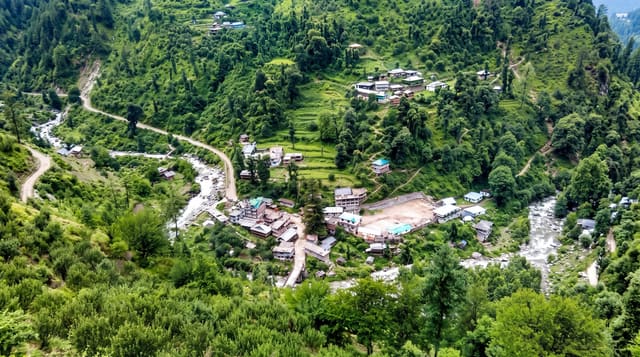
The Cinti valley runs through a red canyon between Camargo and Villa Abecia, and wine has been made here since the seventeenth century, longer than in Tarija, on haciendas established to supply the mining city of Potosí. The distinctive practice is vid de altura en molle: vines planted at the foot of molle or chañar trees and allowed to climb them, so the canopy is a tree rather than a trellis, some of the plants over a century old. It is labour-intensive and gradually being replaced by wire training, which makes the surviving stands worth seeing. Old adobe bodegas with clay fermentation jars survive along the valley, several making singani and wine on a small scale. The canyon itself, with its red walls, is the setting.
What you'll find
- Vines in trees - grapes trained up molle and chañar trunks.
- Colonial bodegas - adobe wineries with clay jars and old presses.
- The red canyon - the valley walls between Camargo and Villa Abecia.
- Hacienda buildings - the estates that supplied Potosí with wine.
When to go
February to April for the harvest, when bodegas are working. The valley is warm and dry most of the year. Roads are poorest in the wet months from December to March.
Things to know
There is no organised wine route: visits are arranged by asking at bodegas, and Spanish is necessary. The tree-trained vines are declining and some valleys have none left. Accommodation is basic and limited to Camargo and Villa Abecia. Roads are rough.
Nearby
Tarija lies south; Sucre is north.
Key facts
Source: Wikidata, item Q134506563, read on 18 October 2026.
What to pack for Cinti Valley
Chosen from what this place is for. Tap a kit for the full checklist.
- Comfortable walking shoes - Sightseeing means kilometres of pavement and cobbles daily. Find on Amazon
- A slim anti-theft daypack - Zips that close properly; keep it in front in crowds and on transit. Find on Amazon
- A refillable water bottle - Many cities have public fountains; save money and plastic. Find on Amazon
- A light layer + compact umbrella - For museum air-con and a sudden shower. Find on Amazon
Some links on this page are Amazon affiliate links - if you buy through them we may earn a small commission at no extra cost to you.
All packing kitsPlan your trip
Where to start if Cinti Valley is going on the list.
Booking links on this page are affiliate links - if you book through them we may earn a small commission at no extra cost to you. It never changes what we write about a place.
Opening times, ticket prices and seasonal closures change - check the official source before you go: official site.