Cerro Comanche
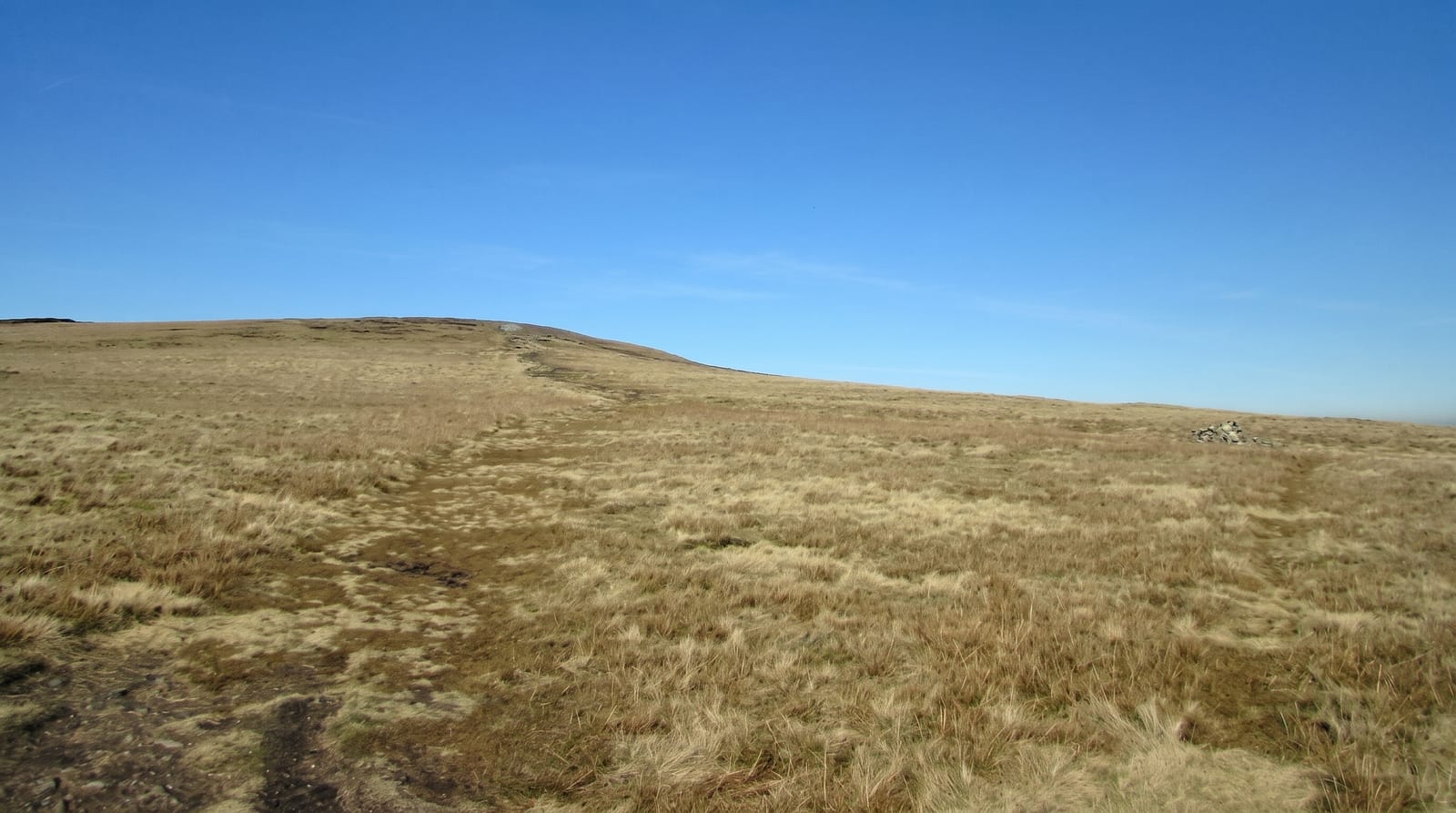
A rocky altiplano hill west of La Paz covered with Puya raimondii, the giant bromeliad that flowers once and dies.
Updated 1 September 2026
Puya raimondii is the largest bromeliad in the world, a rosette of spined leaves that grows slowly for decades on the high Andes and then, once, throws up a flower spike up to ten metres tall carrying thousands of blooms, sets seed and dies. Cerro Comanche protects one of the more accessible stands in Bolivia, several thousand plants scattered over a rocky hillside at around 4,000 metres, with a few in spike at any time. The site is a reserve and a short climb gives a view over the altiplano toward the Cordillera Real. Hummingbirds work the flowers when they open. Comanche village below is known for its granite quarries. It is a straightforward half-day from La Paz for anyone interested in the plant.
What you'll find
- Puya raimondii stands - thousands of plants across the hillside.
- Flower spikes - the ten-metre inflorescences on the plants that are flowering.
- Altiplano views - the plain and the cordillera from the slope.
- Hummingbirds - birds working the open flowers in season.
When to go
Flowering peaks roughly October to December, though individual plants spike at different times and there is usually something in flower. May to September gives the driest roads. The plant is worth seeing even out of flower.
Before you go
Only a small fraction of plants are in flower at any time, so the spectacular spikes may be few. The hill is at 4,000 metres and the climb is felt. The leaves are viciously spined and should not be pushed through. Facilities are none.
Nearby
La Paz lies northeast; the altiplano runs south.
What to pack for Cerro Comanche
Chosen from what this place is for. Tap a kit for the full checklist.
- Broken-in walking shoes or boots - Grip and ankle support matter more than looks; never hike in brand-new boots. Find on Amazon
- Layers for big temperature swings - Warm sun by day, near-freezing at night, even near the equator. Find on Amazon
- Layers + a waterproof shell - Mountain weather turns fast; a packable rain jacket saves the day. Find on Amazon
- Extra-strong sun protection - Thin air means fierce UV; hat, sunglasses and high-SPF sunscreen. Find on Amazon
Some links on this page are Amazon affiliate links - if you buy through them we may earn a small commission at no extra cost to you.
All packing kitsPlan your trip
Where to start if Cerro Comanche is going on the list.
Booking links on this page are affiliate links - if you book through them we may earn a small commission at no extra cost to you. It never changes what we write about a place.
Opening times, ticket prices and seasonal closures change - check the official source before you go: official site.