Where Great Dishes Were Born
Eating pizza in Naples, paella in Valencia and sachertorte in Vienna - what changes when you taste a dish in its birthplace.
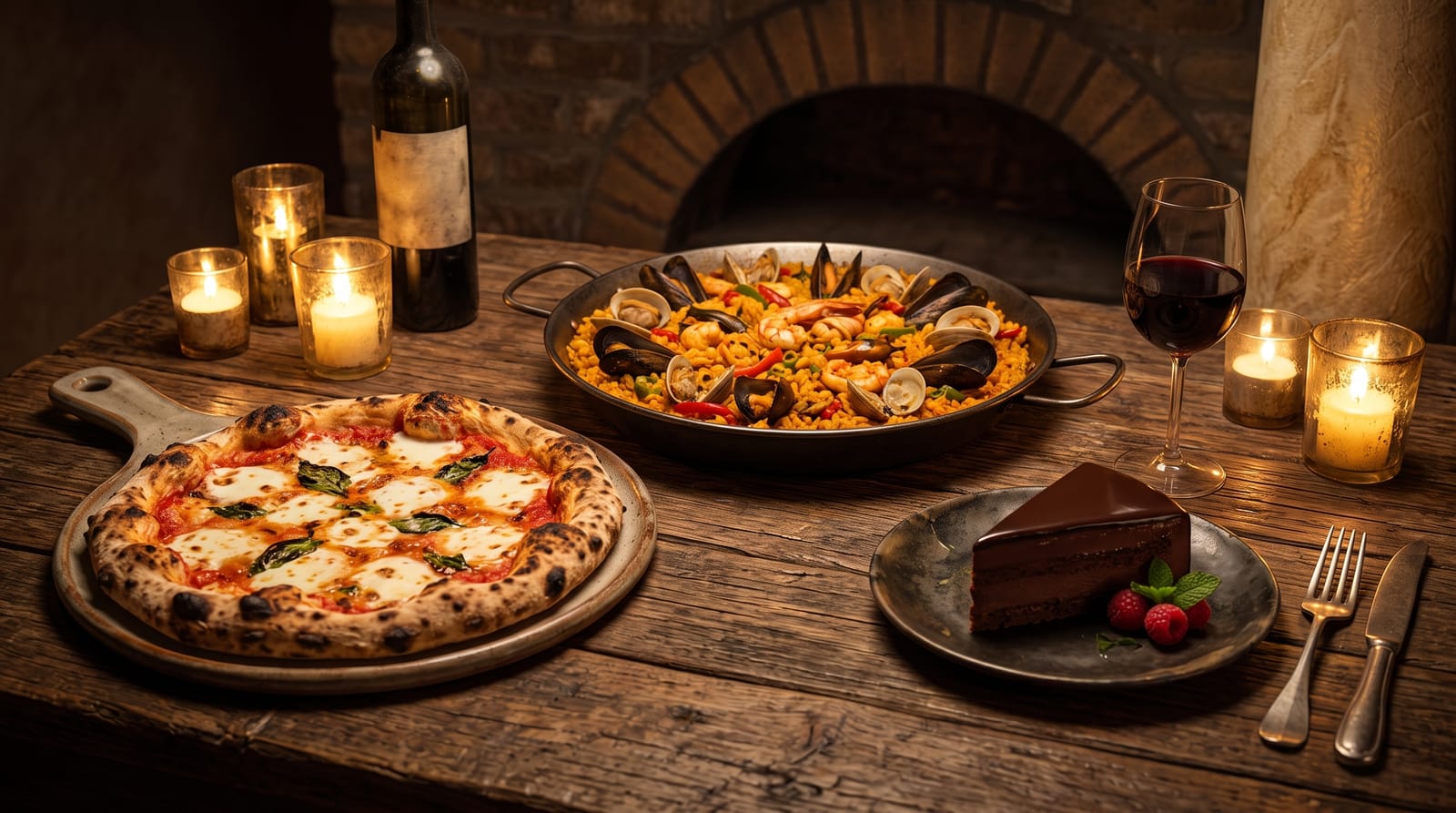
Illustrative image.
Every famous dish has a home address, and eating it there is a different experience from eating it anywhere else - partly the recipe, mostly the context. Some pilgrimages that repay the trip.
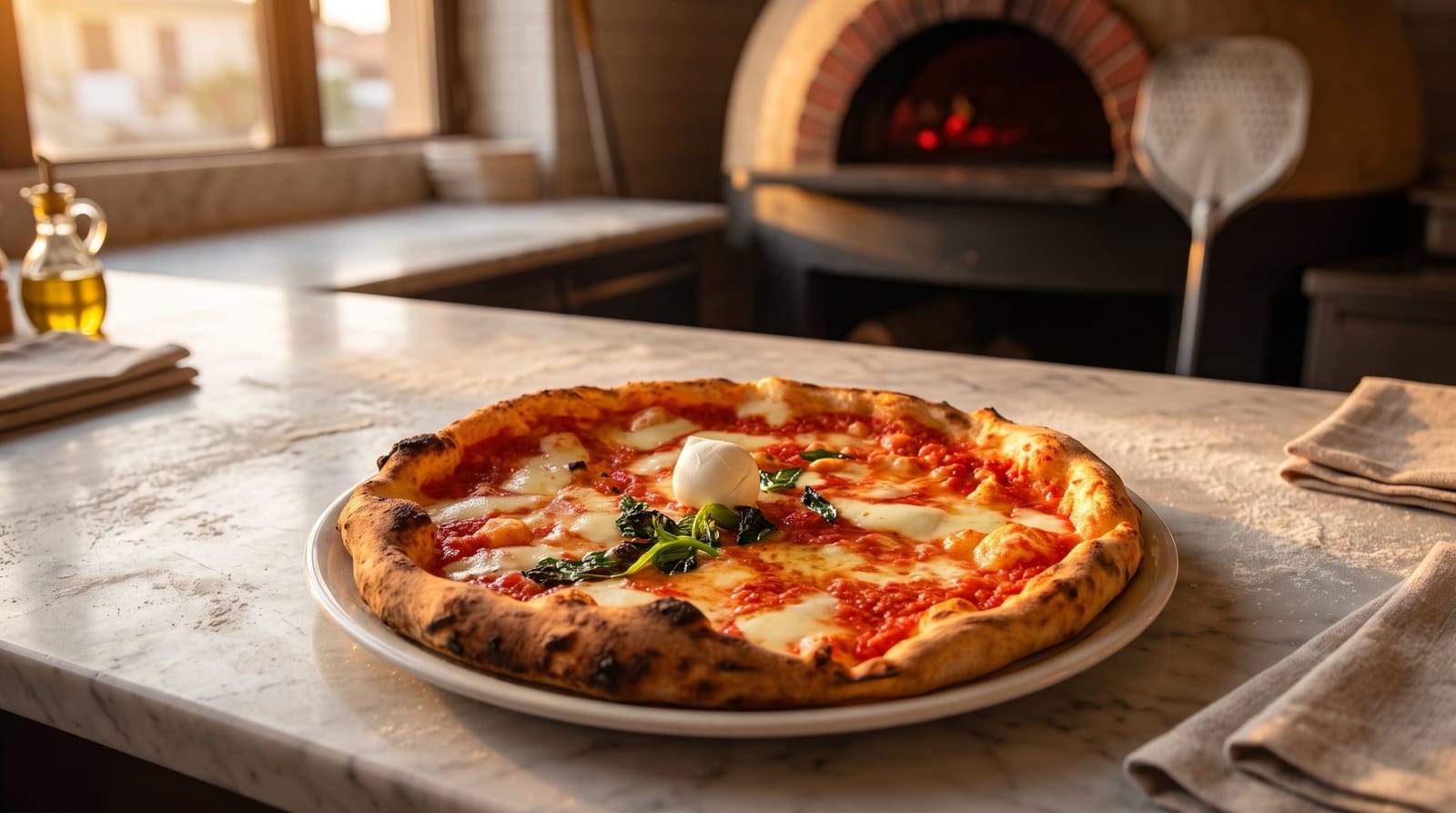
Pizza in Naples
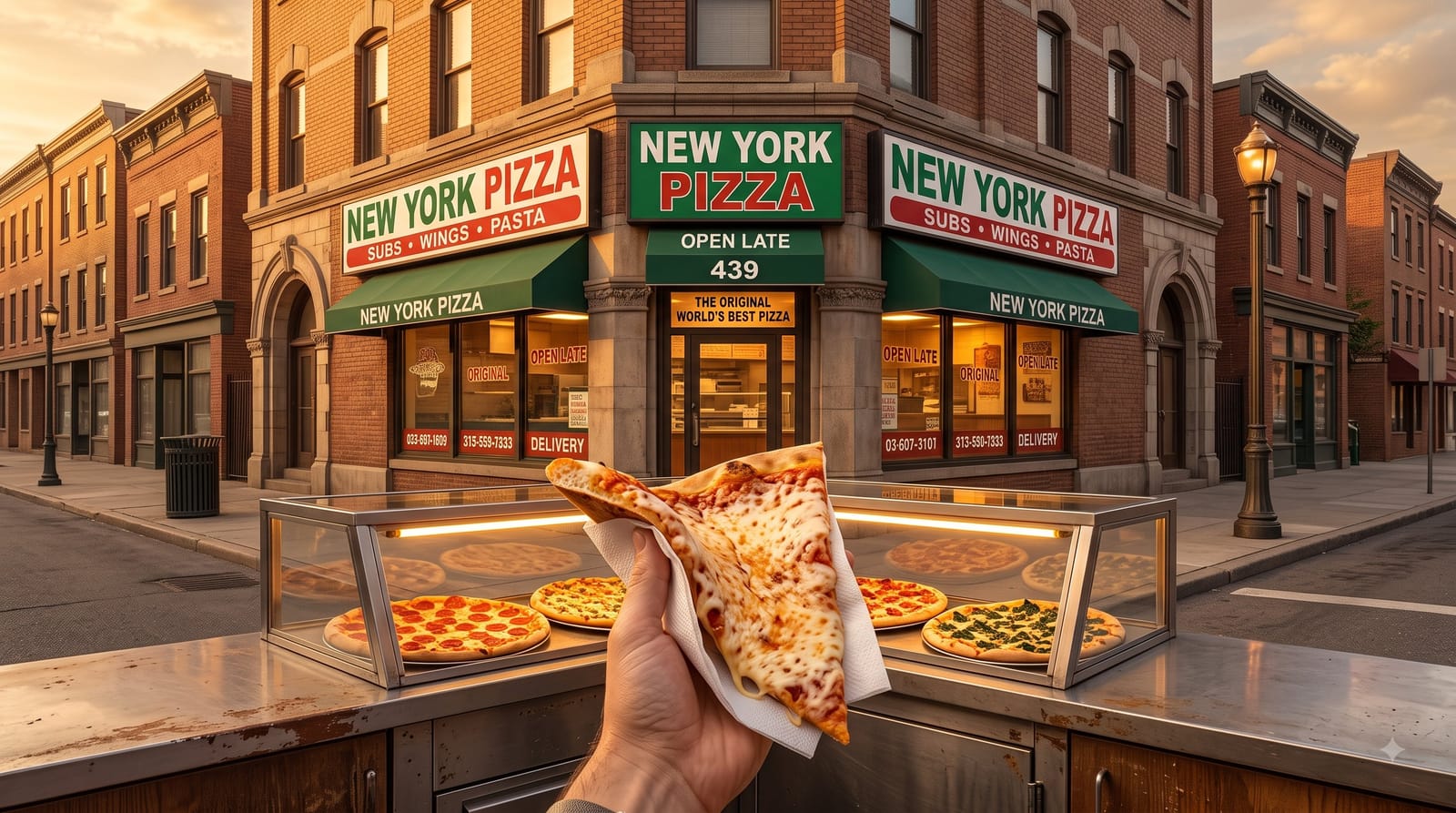
Neapolitan pizza is a regulated art: specific flour, San Marzano tomatoes, a blistering minute in a wood oven, and a soft, wet centre that surprises anyone raised on crispy slices. The historic pizzerias serve two or three kinds, take cash, and prove that limitation is a flavour. Compare it with New York's slice culture - the emigrant's child that became its own institution - and you can taste a whole history of migration.
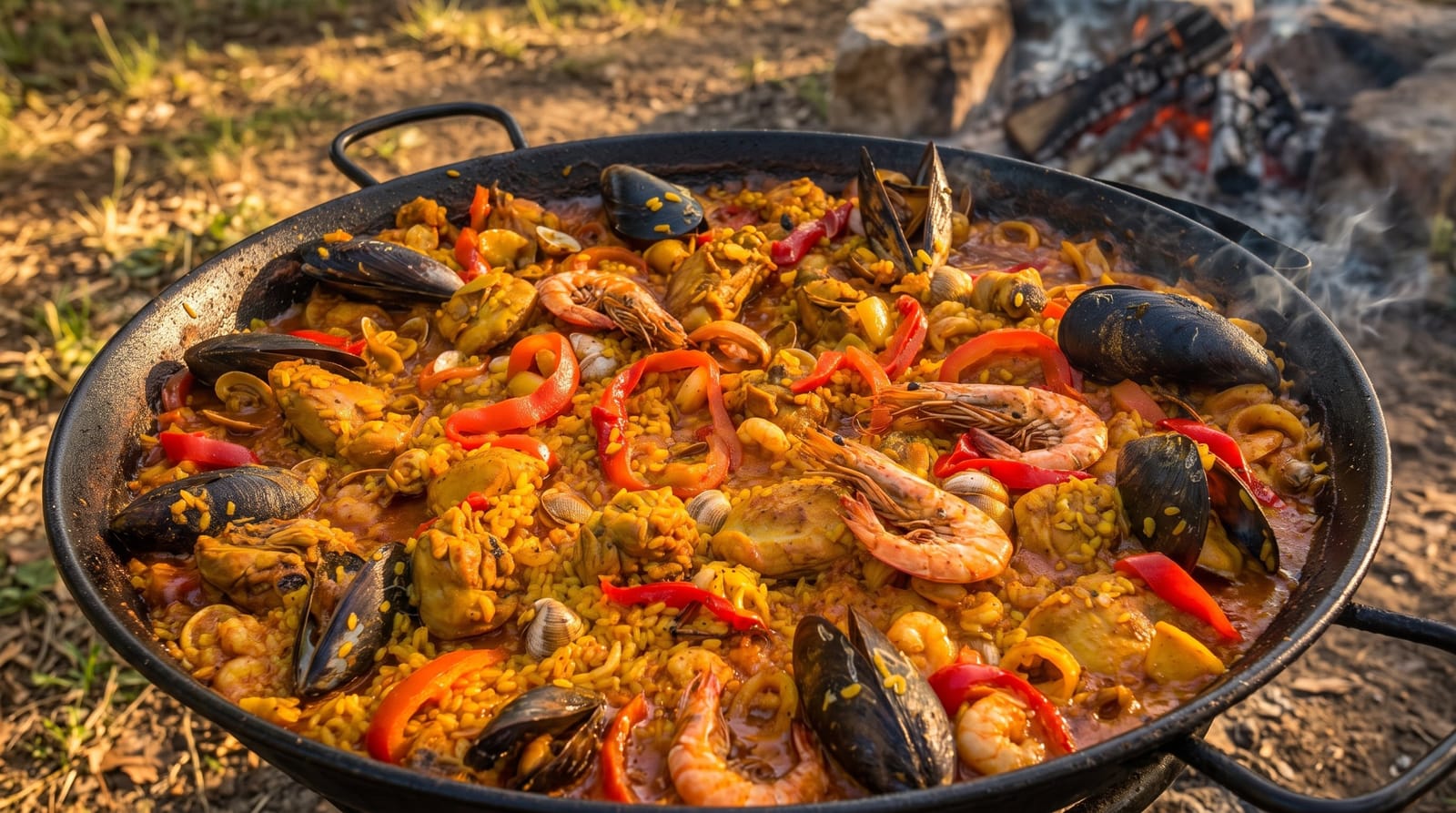
Paella in Valencia
Real paella is a Sunday lunch dish from Valencia's rice lagoons - chicken, rabbit and beans as often as seafood, cooked wide and thin so the bottom crisps into socarrat, the caramelised layer families politely fight over. Order it at lunch, never dinner, and give the kitchen its forty minutes; anything instant is for tourists, as our Spain good-to-know notes.
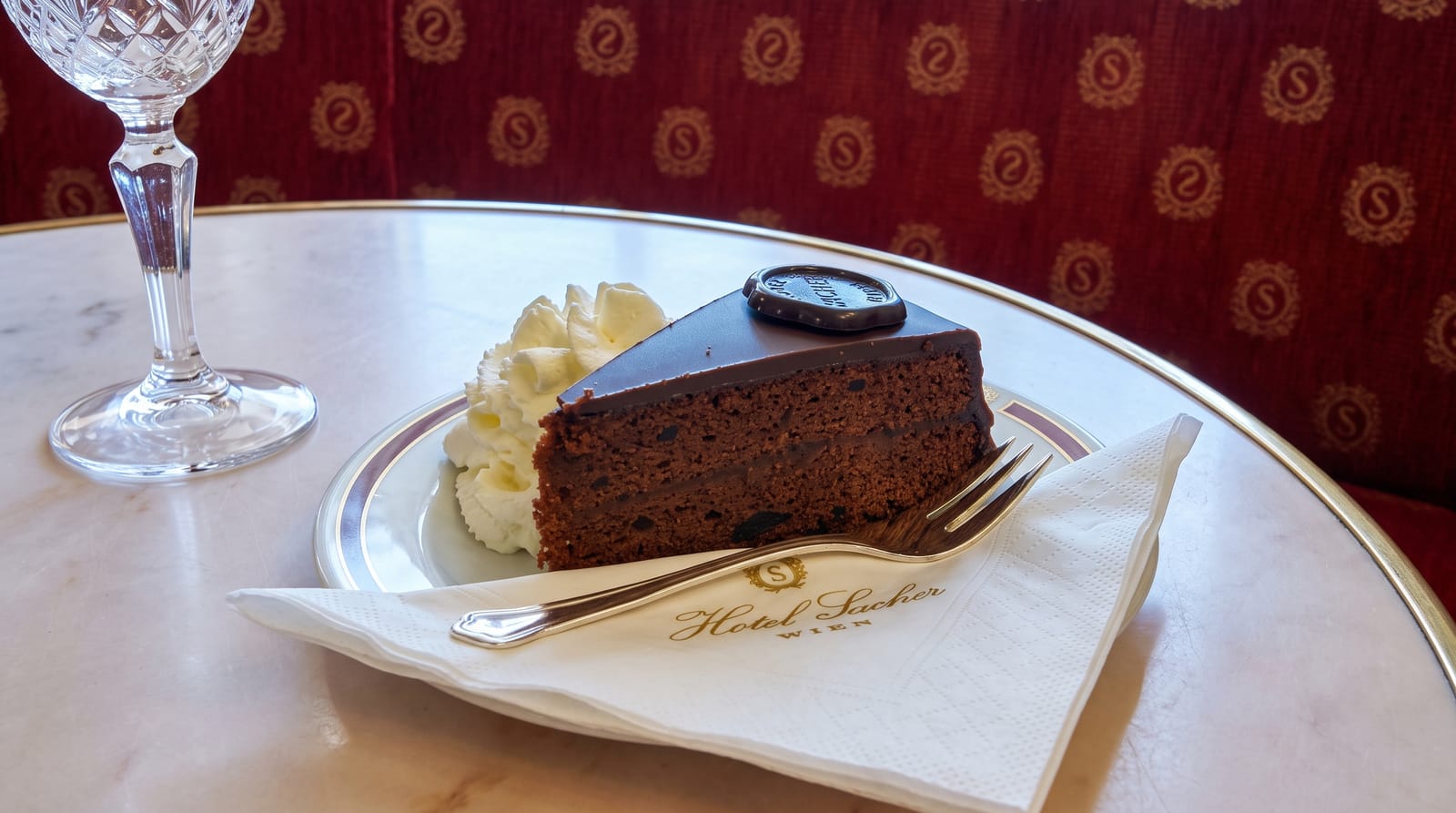
Sachertorte in Vienna
A chocolate cake with a court case in its history: two Viennese institutions litigated for years over the "original" sachertorte. Eating it properly means a marble table, a Viennese coffee house, a melange beside it and no hurry whatsoever - the cake is the ticket, the sitting is the show.
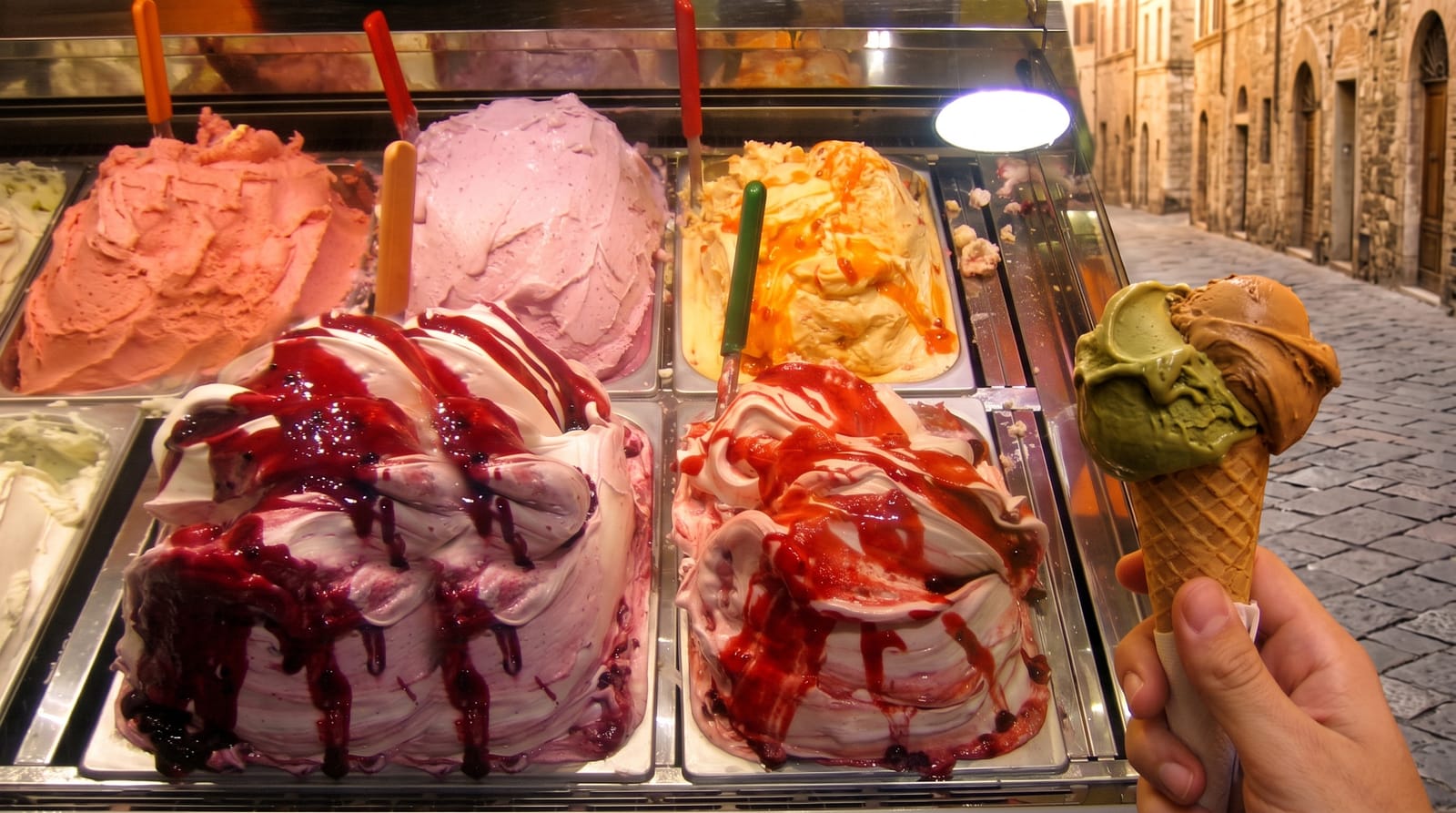
Gelato in Italy
Gelato differs from ice cream on technicalities - less fat, less air, warmer serving - that add up to more flavour per spoon. The connoisseur's rules: pistachio should be dull khaki not bright green, banana grey not yellow, and the tubs should sit flat, not in seductive fluffy mountains. One cone per town is a fair research pace.
Tapas in Spain
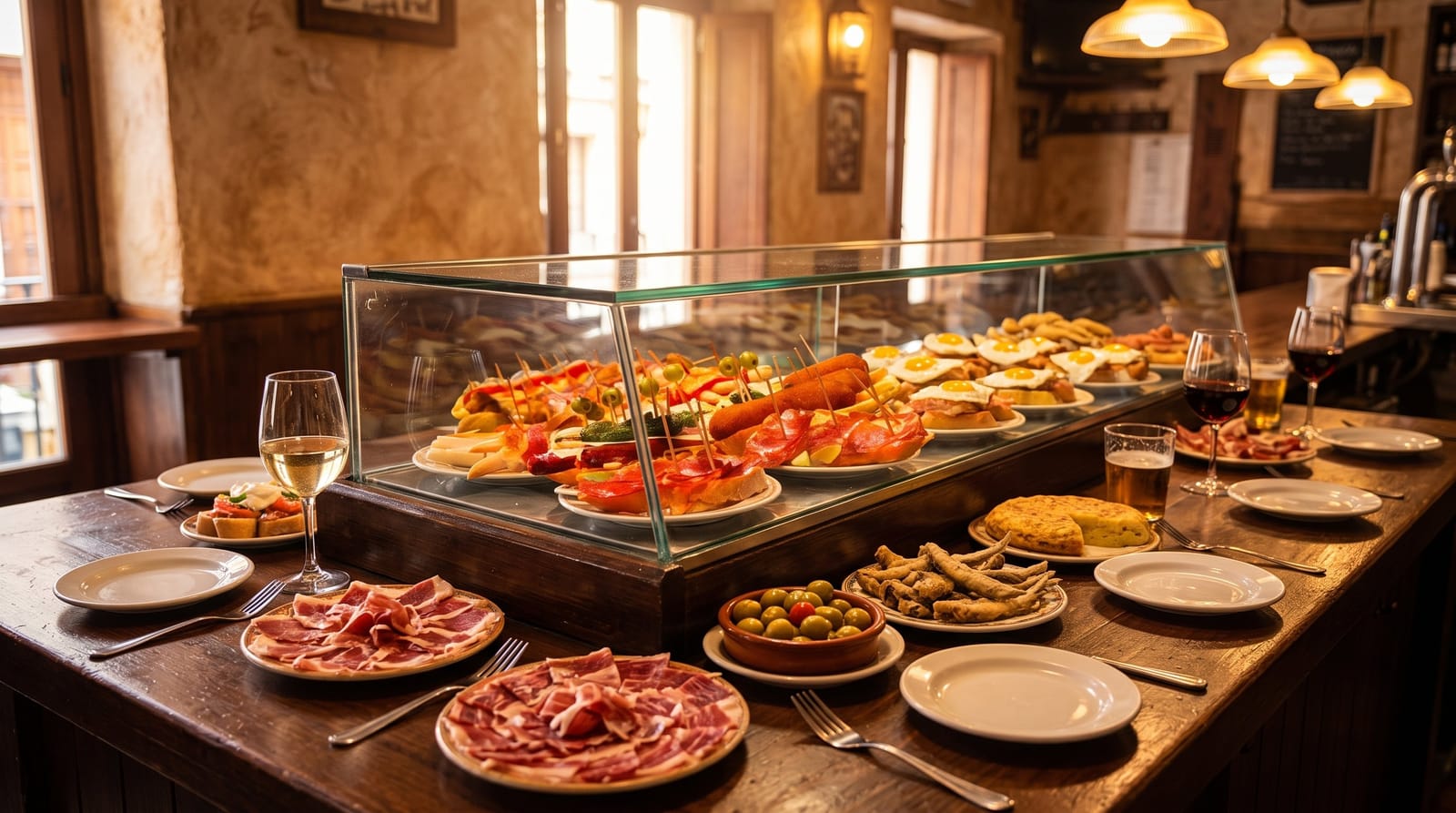
Not a dish but a way of eating: tapas turn dinner into a walking tour, one bar's speciality at a time. In Granada a drink still often brings a free tapa; in Basque country the counters groan with pintxos on bread. The trick is to never sit down for long - the culture lives standing at the bar.
Why origin matters
A dish at its source comes with its context attached: the market where the ingredients grew up, the argument about the correct version, the grandmother-approved texture no export quite matches. Our food category collects these origin places across every country - and the foodie kit packs for the trip, stretchy waistband honestly included.