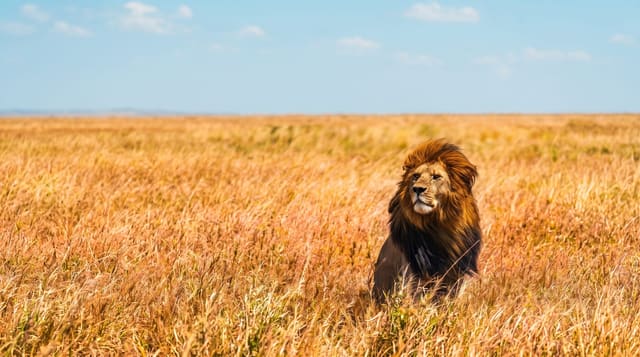
Following the Great Migration
More than a million wildebeest loop endlessly between Serengeti and Maasai Mara - here is roughly where the herds are in which months, and how to plan around them.

AI illustration.
Some links on this page are Amazon affiliate links - if you buy through them we may earn a small commission at no extra cost to you.
The largest overland animal movement on Earth never actually starts or ends: over a million wildebeest, with zebra and gazelle outriders, walk a permanent clockwise loop between Tanzania's Serengeti and Kenya's Maasai Mara, following rain to grass. Plan against the loop and a safari becomes a front-row seat.
The rough calendar
Nature signs no contracts, but the pattern holds most years. Roughly December to March the herds mass in the southern Serengeti's short-grass plains - calving season, when hundreds of thousands of calves arrive within weeks and predators attend in numbers. April and May the columns push north and west through the long rains, the quietest and cheapest season to watch them move.
By about July the drama peaks: the herds reach the Mara River and must cross it - crocodiles waiting, banks collapsing, the footage everyone has seen filmed live in front of you. River-crossing season, roughly July to October, splits between the northern Serengeti and the Maasai Mara itself. Around November the short rains pull everyone south again and the wheel turns another year.
Kenya or Tanzania?
The honest split mirrors our safari comparison: the Mara is compact, accessible and delivers crossings in season; the Serengeti holds the herds most of the year across vastly bigger, emptier country. Purists chasing calving go Tanzania in February; crossing-hunters aim July-September from either side; budget-minded travellers take April-May green season and have the plains nearly alone.
The honest cautions
Crossings run on wildebeest logic, meaning none: herds can mass at a riverbank for days, then cross in ten minutes while you are at lunch. Guides manage expectations for a living - give the river time. Book crossing-season camps many months ahead; this is the safari world's high season and prices show it.
The practical bit
Migration safaris are long-lens, long-day affairs: the wildlife kit covers the basics, decent binoculars upgrade every single hour, and neutral-coloured layers beat safari-costume shopping. Tipping customs for guides and camp staff are real income - our Kenya and Tanzania notes cover them. For the wider trips, both country pages list what pairs with the plains.
When to go and how long
- The Serengeti Tanzania Best season June to October and January to February Time to allow Several days
- The Maasai Mara Kenya Best season July to October for the migration Time to allow Several days
Taken from each place page, where opening rules and the official link are kept.