Porto-Novo
The capital nobody rushes - Afro-Brazilian mosques and mansions, royal palaces and museums where Benin's layered identities meet on quiet streets.
Saved in this browser only - no account, nothing sent anywhere. See your map
Benin's official capital lets Cotonou keep the noise and keeps the history for itself: Porto-Novo's centre is a lesson in layered identity, where returnee families from Brazil built an Afro-Brazilian architecture of ochre facades and azulejo touches - crowned by the Grand Mosque, built by returnee craftsmen in pure Brazilian baroque outline and painted like a fruit market - alongside the palace of King Toffa, now the Musee Honme, and the da Silva museum's telling of the Atlantic return. Vodun temples, colonial administration rows and the Songhai agroecology centre's green campus round out a city best walked slowly, which is the only speed it offers.
What you actually see
- The Grand Mosque - Brazilian-baroque lines in carnival colour.
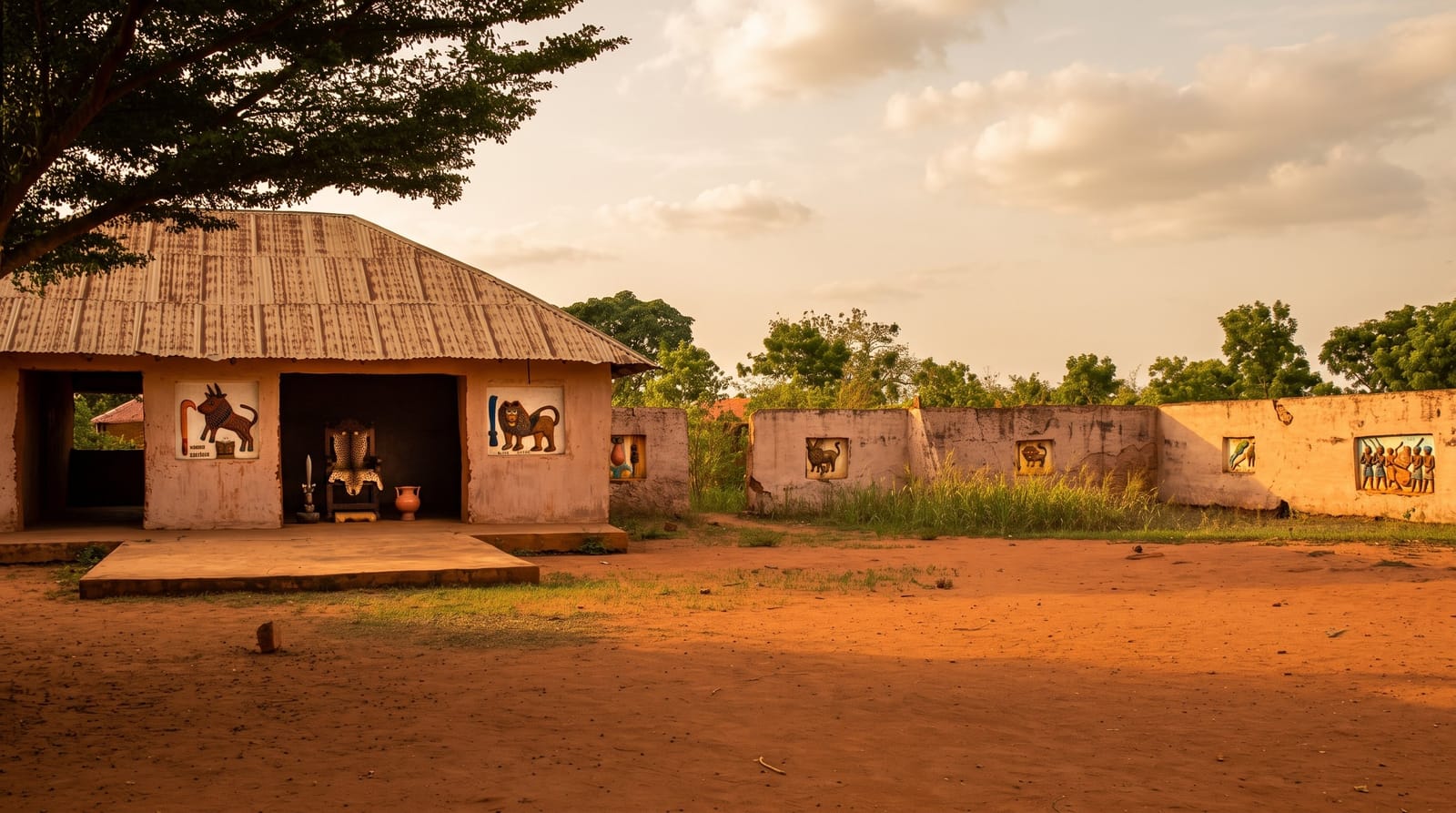
- Musee Honme - King Toffa's palace compound and court life.
- The Afro-Brazilian quarters - returnee mansions and ochre lanes.
- The da Silva museum - the Brazil-Benin return told from inside.
When to go
November to February for the dry season's kinder walking; mornings suit the museums, late afternoon the facades' colour. Vodun ceremonies mark the calendar - January's festival season especially.
Honest expectations
Porto-Novo is faded and underfunded - museums keep loose hours and buildings lean on their dignity; the reward is authenticity without curation. Photograph temples and people with permission. Cotonou's traffic makes the short distance longer than the map suggests - go early.
Nearby
Cotonou, the Ouando market and Ganvie's stilt villages across the lagoon system.
What to pack for Porto-Novo
Chosen from what this place is for. Tap a kit for the full checklist.
Opening times, ticket prices and seasonal closures change - check the official source before you go: official site.